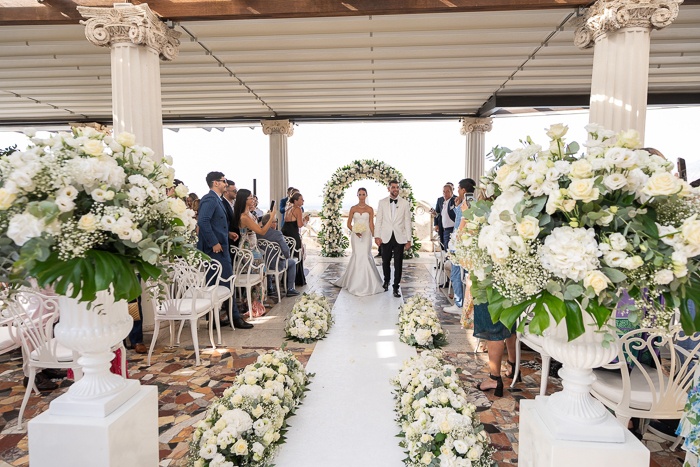
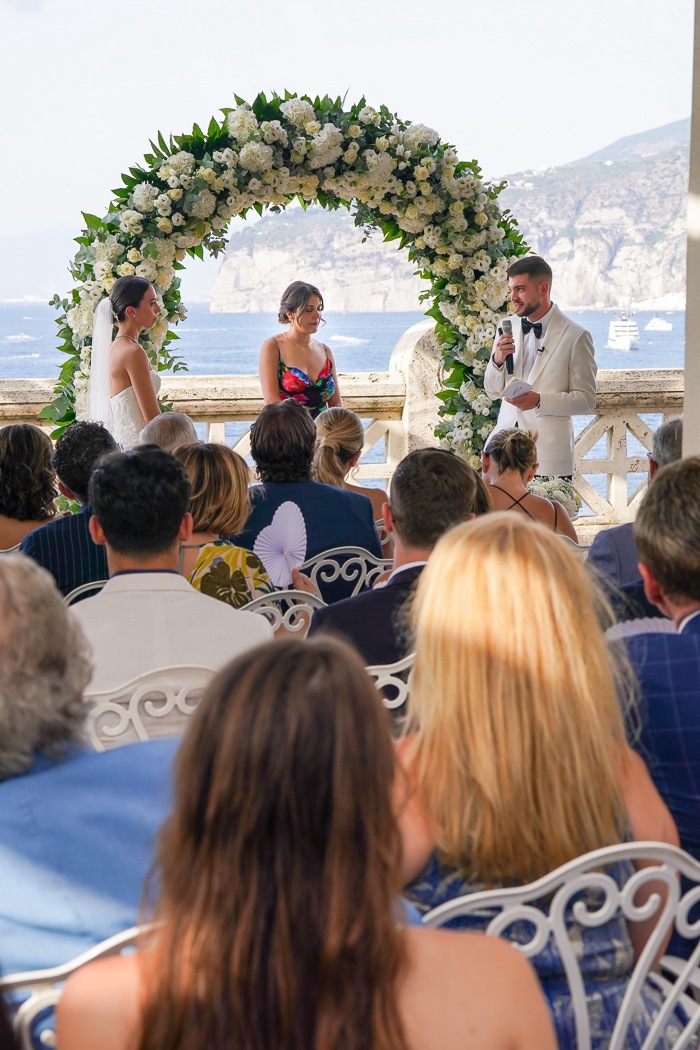
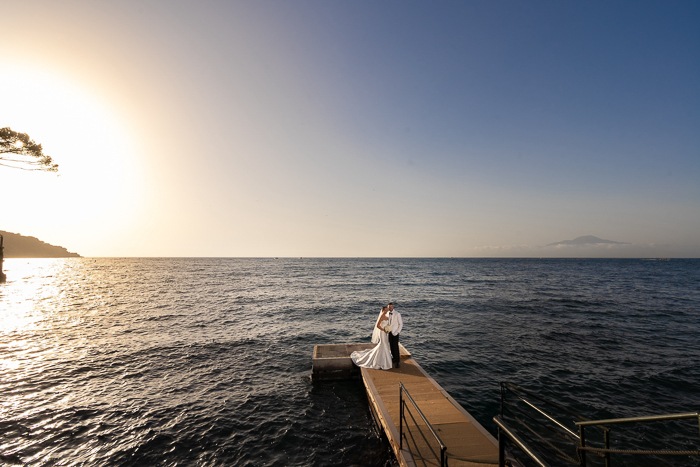
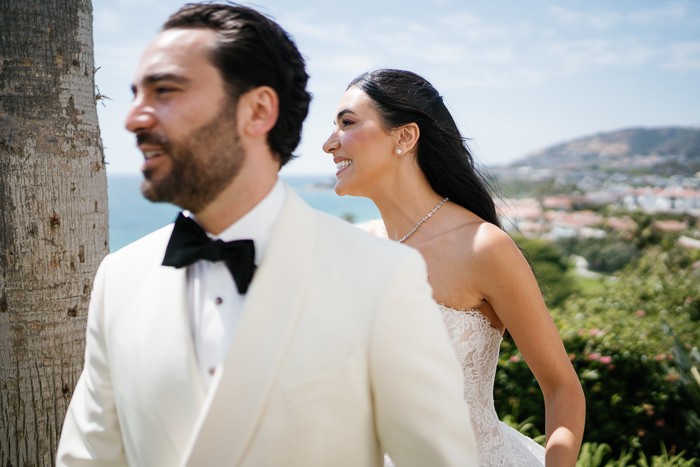
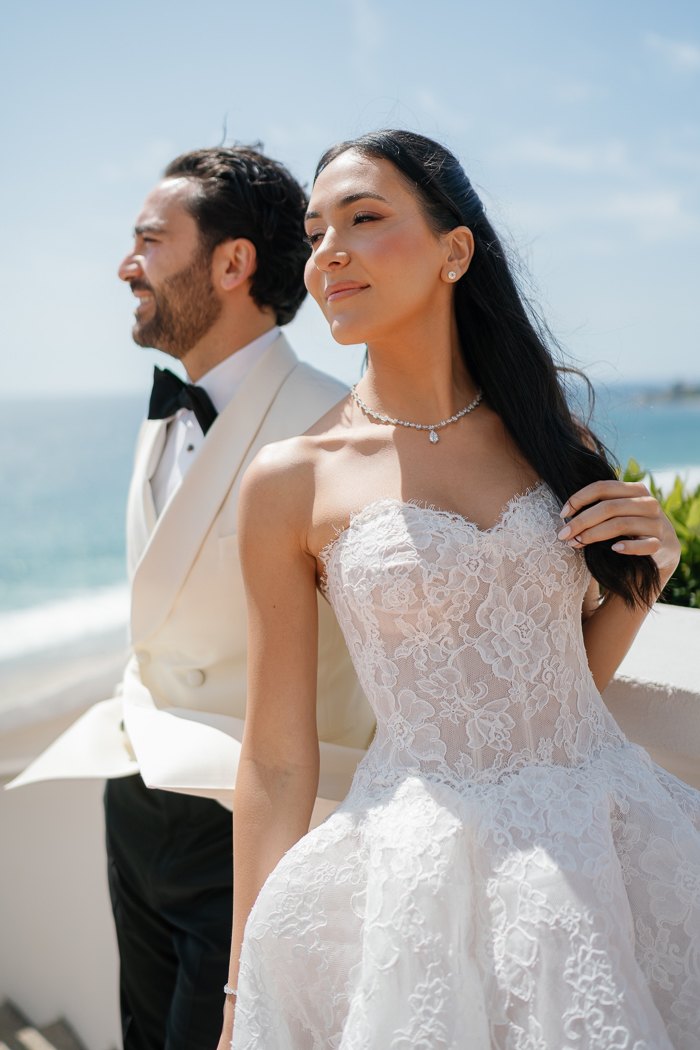
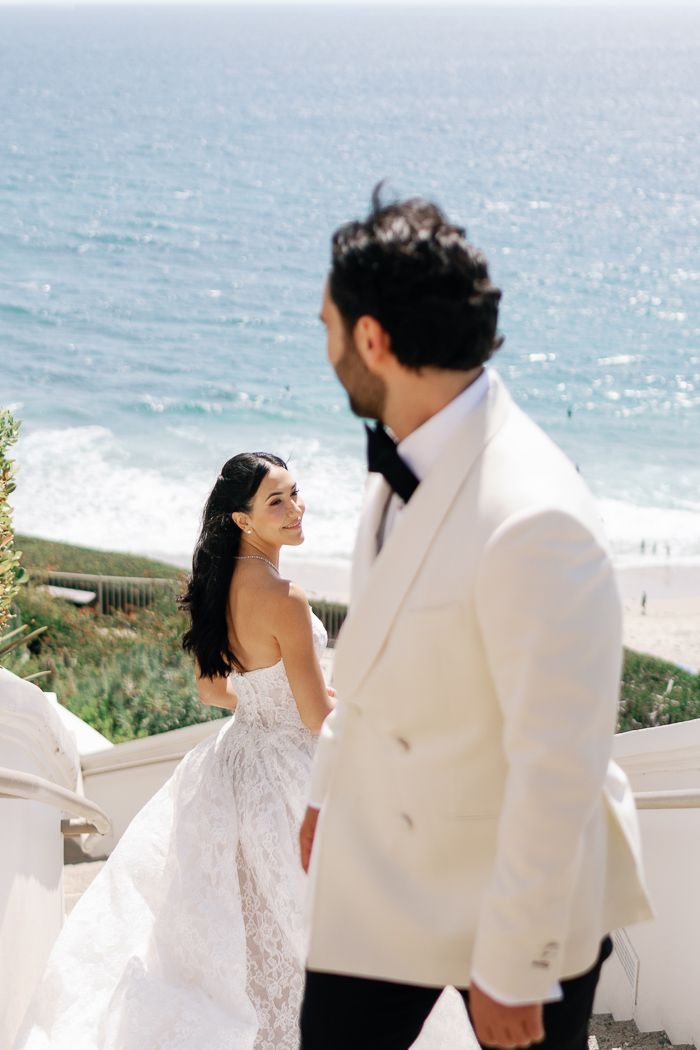
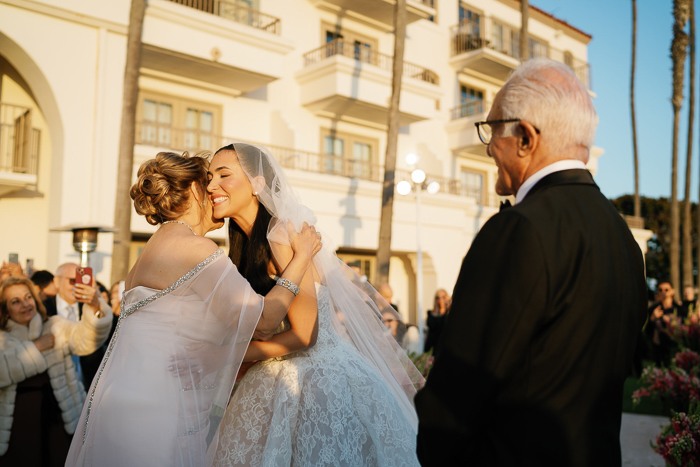
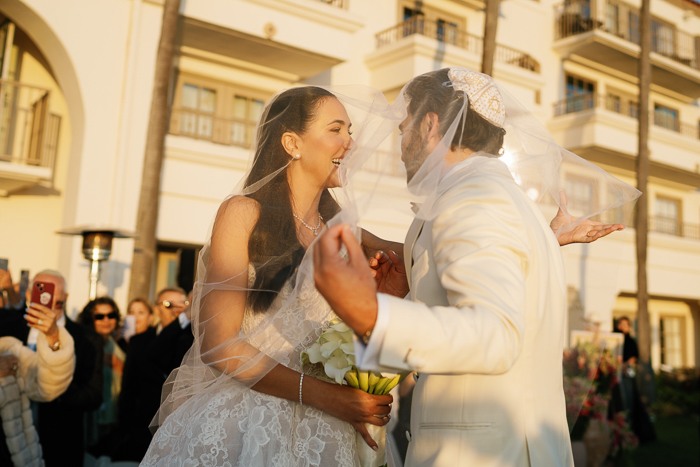
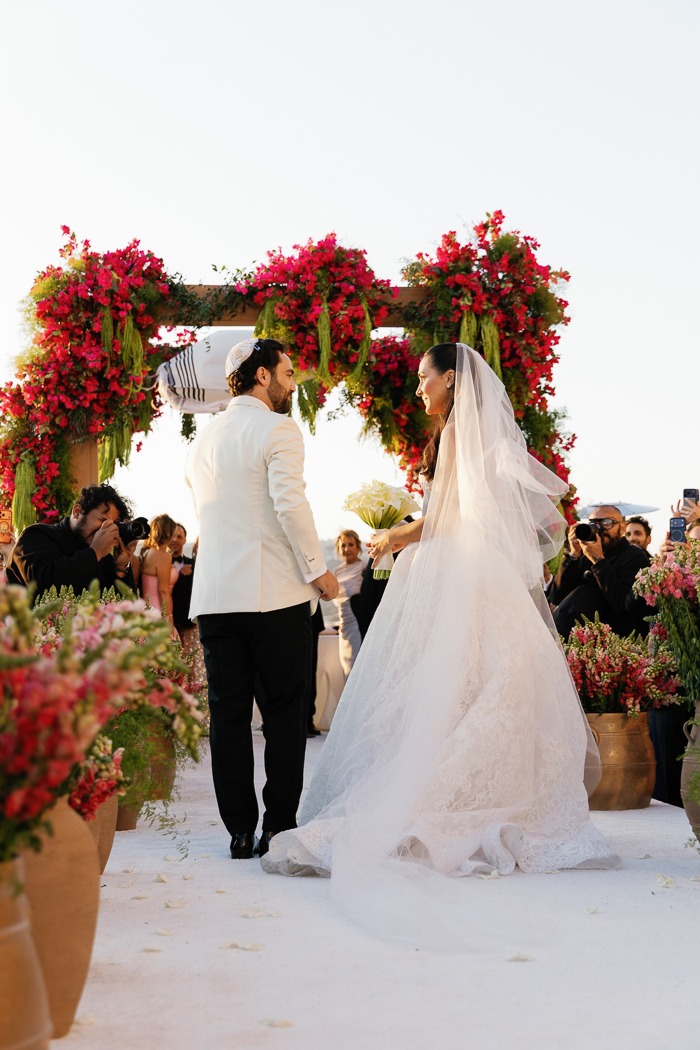
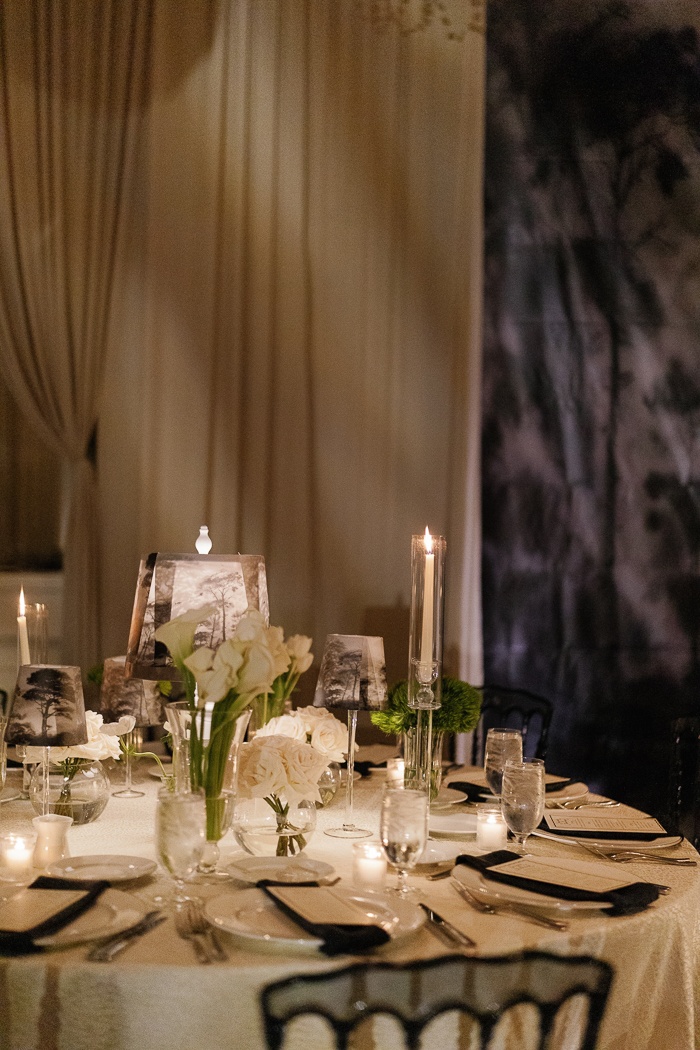
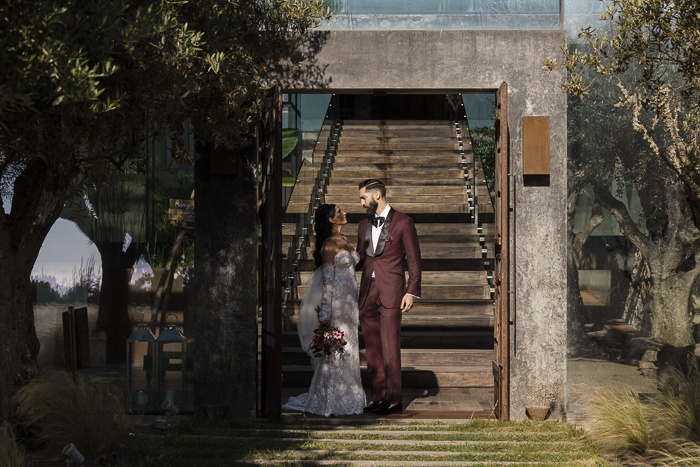
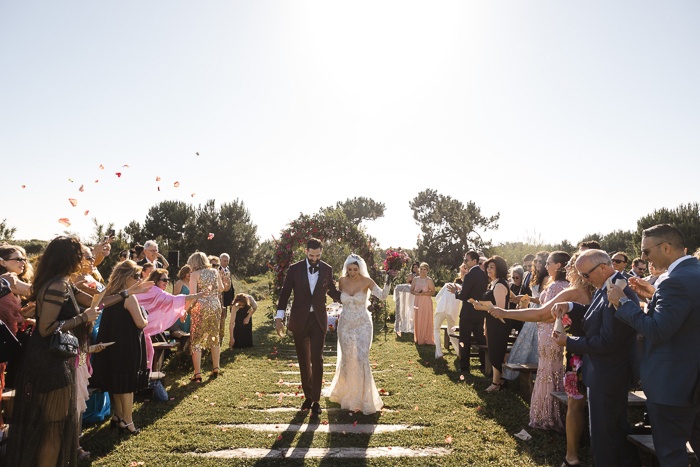
Ariana and Michael exchanged vows on the Villa Pompeiana terrace overlooking the Gulf of Naples, kept the decor to white florals and understated tablescapes, and, after midnight, led their guests through an ancient stone passage to continue dancing inside a cave carved into the Sorrento cliffs. For their Bellevue Syrene wedding, much of the plan came down to knowing when to leave a good thing alone.
Sorrento had already earned a place in their story before the wedding. The year they got engaged, Ariana and Michael vacationed there and began picturing the intimate destination celebration they wanted. They had met in college at eighteen, spent the next decade growing up together, and were engaged ten years later. On that trip, they found the venue where they could see themselves getting married.
What We Love About This Bellevue Syrene Wedding:
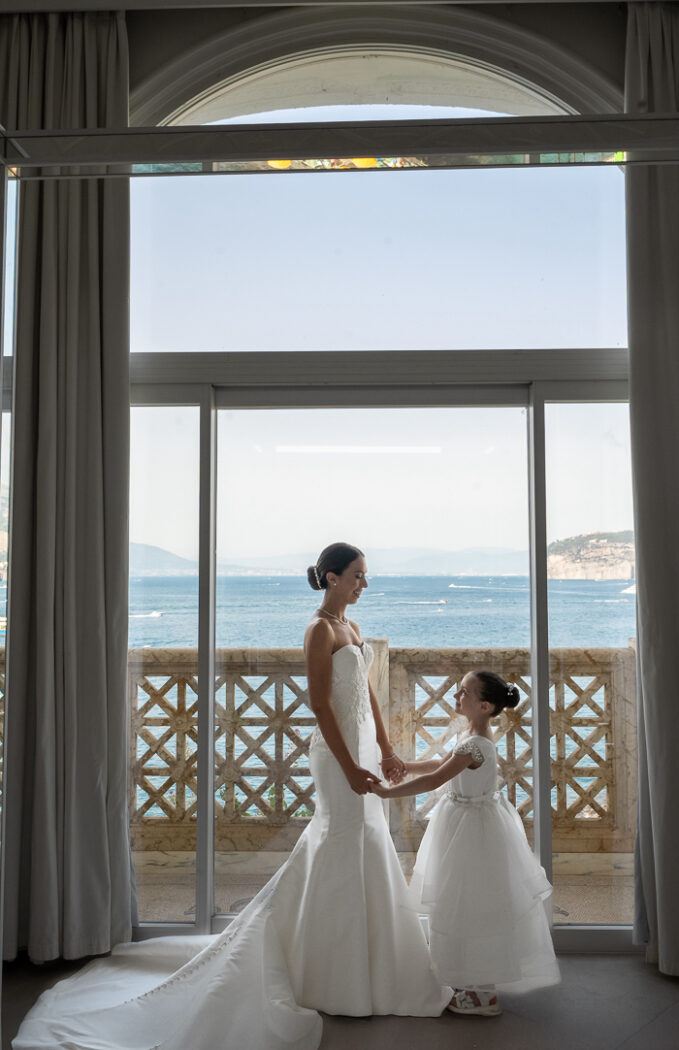
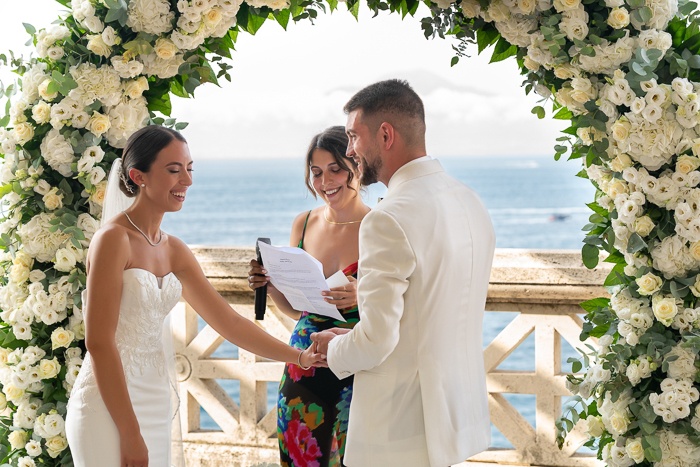
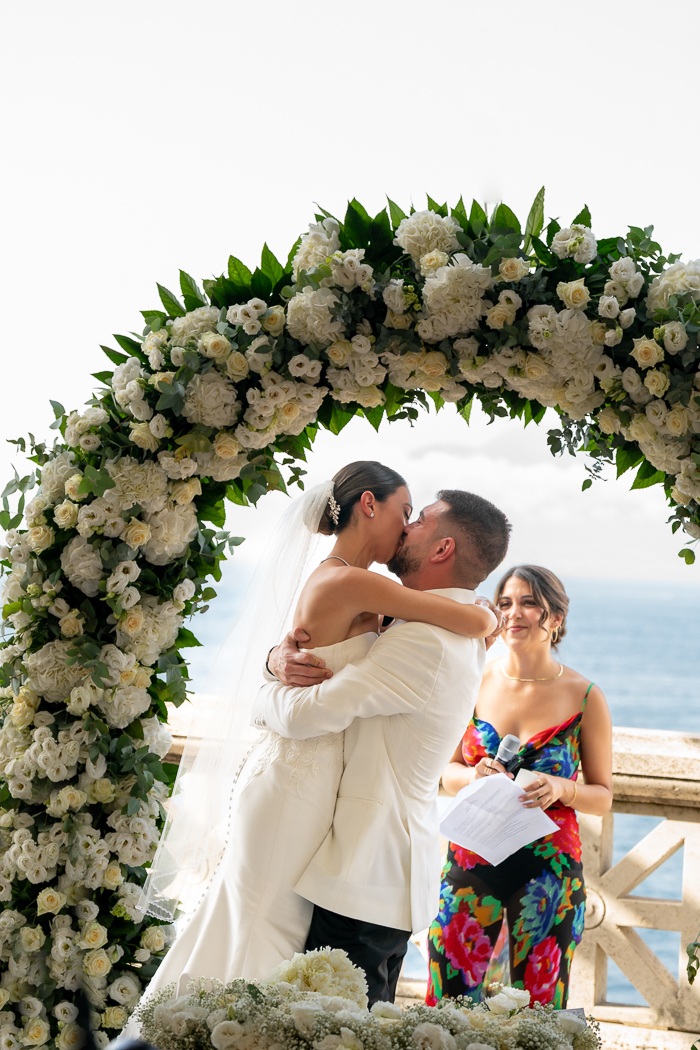
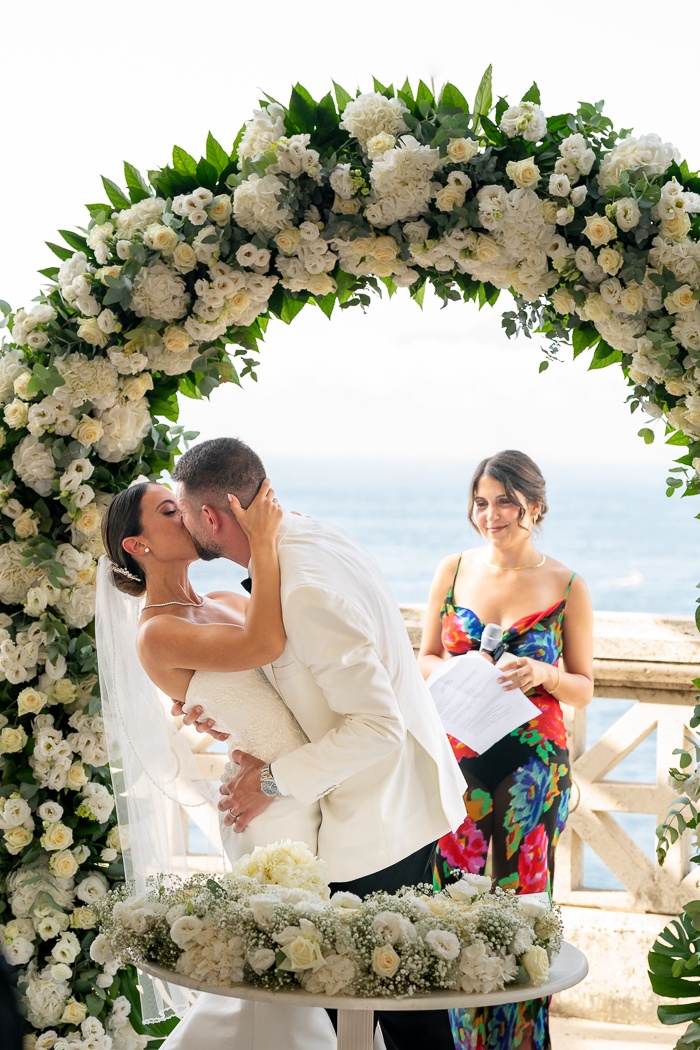
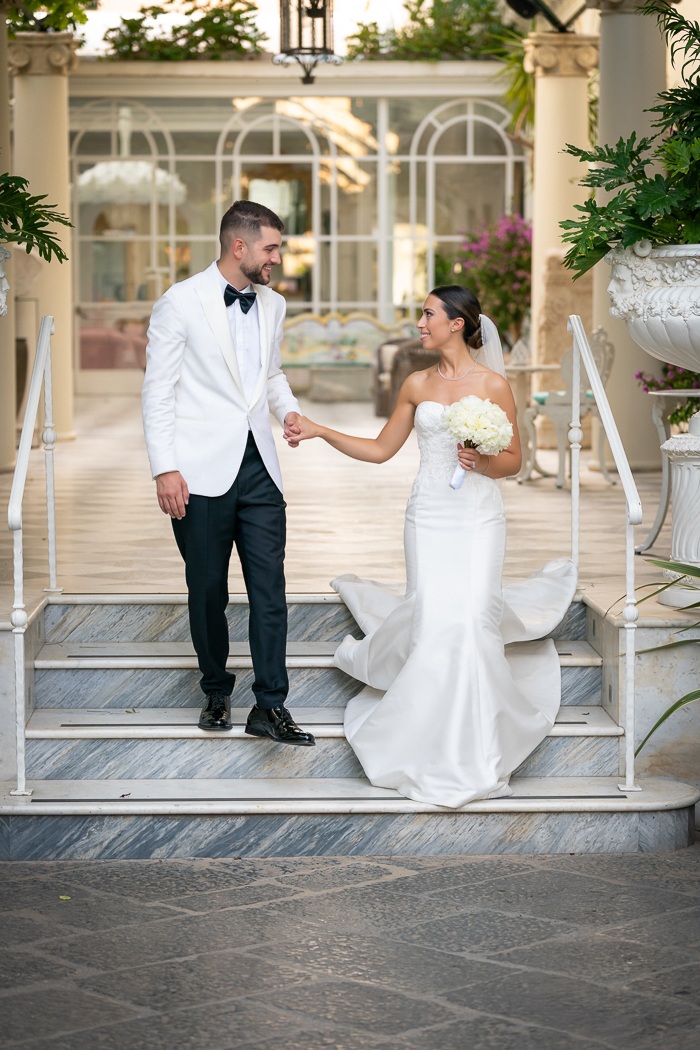
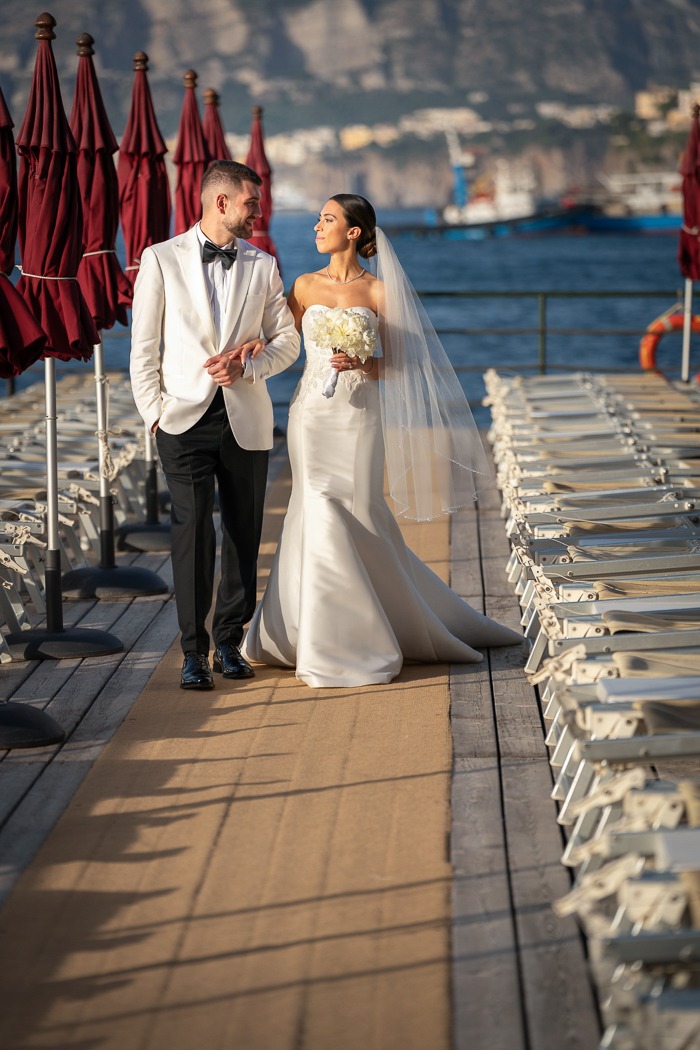
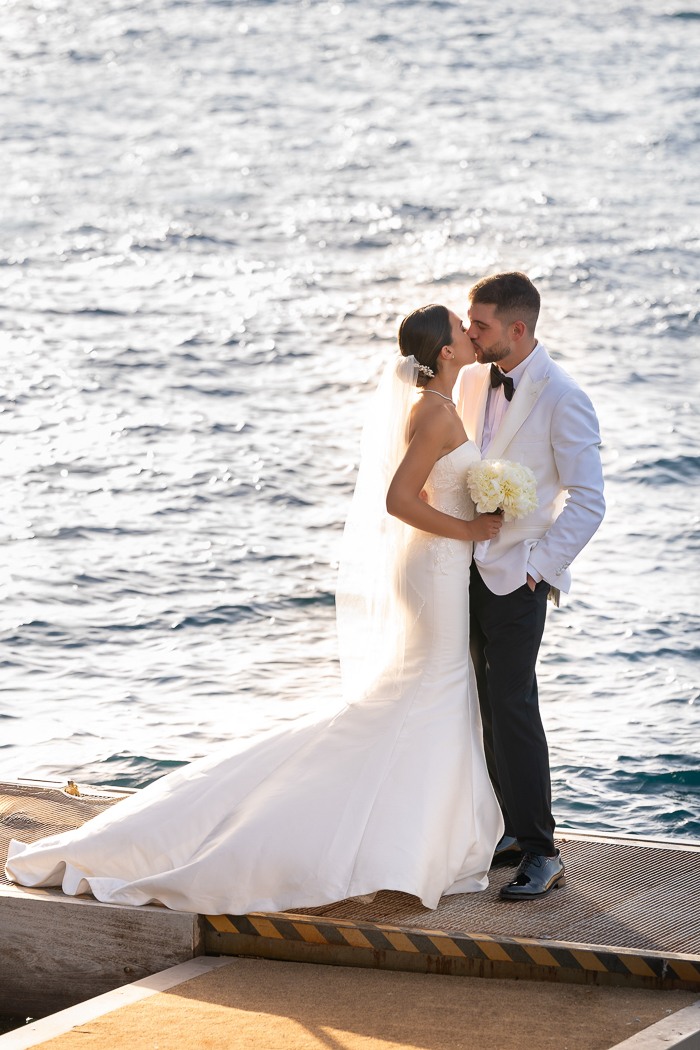
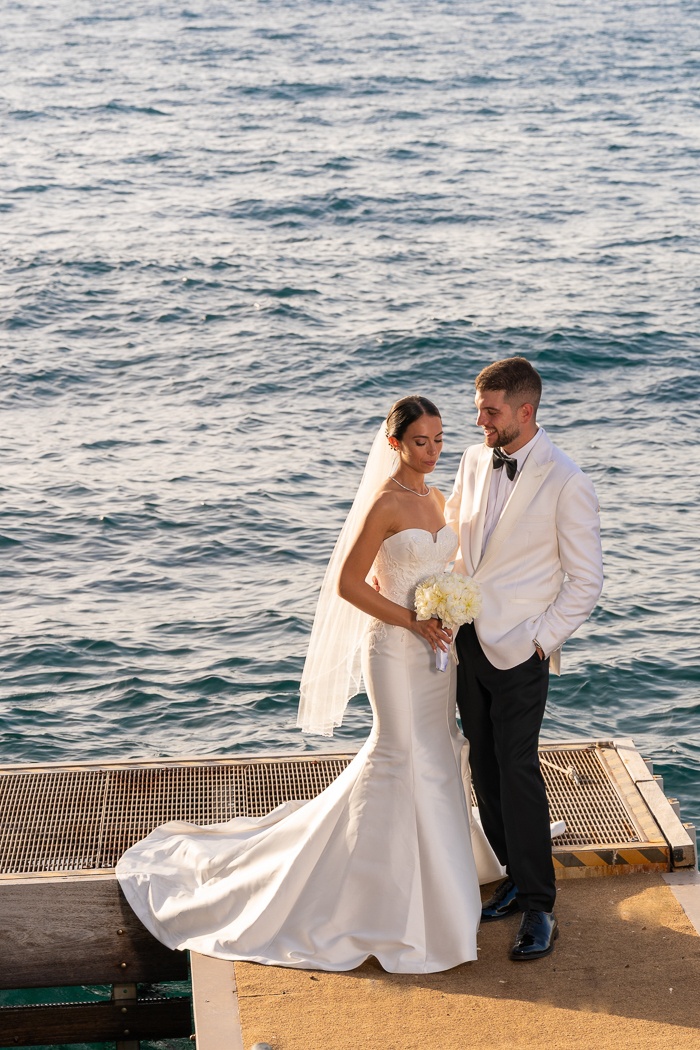
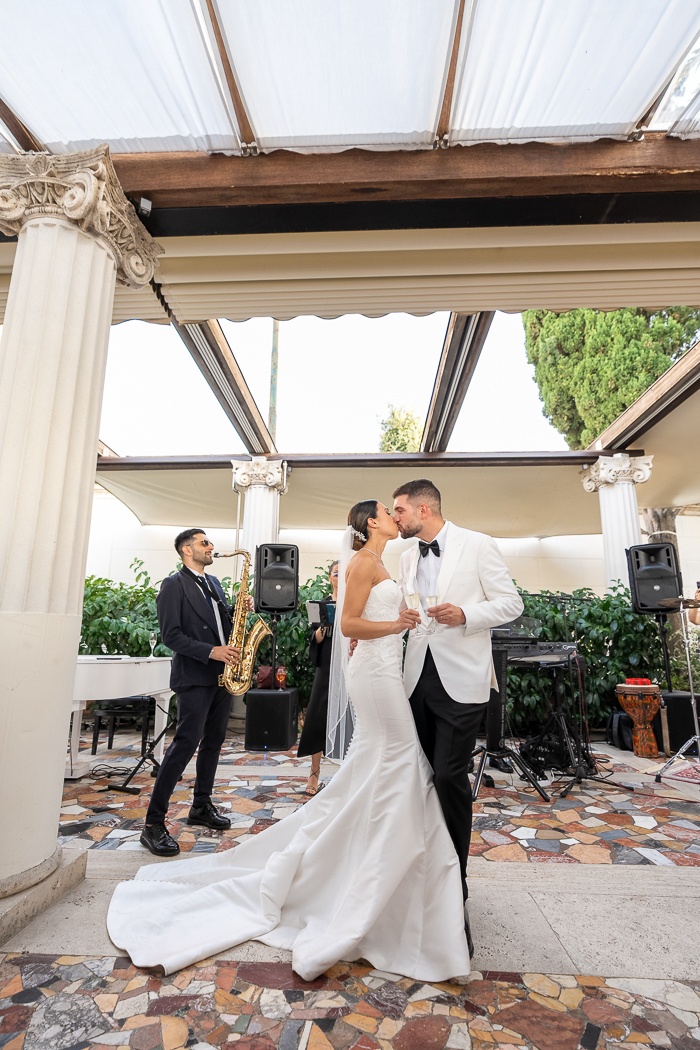
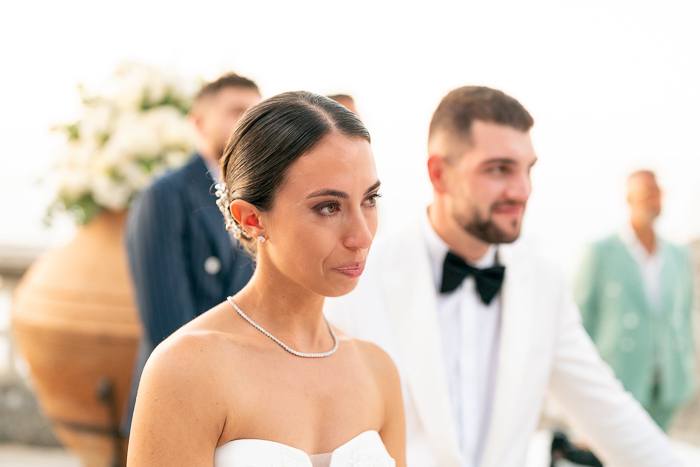
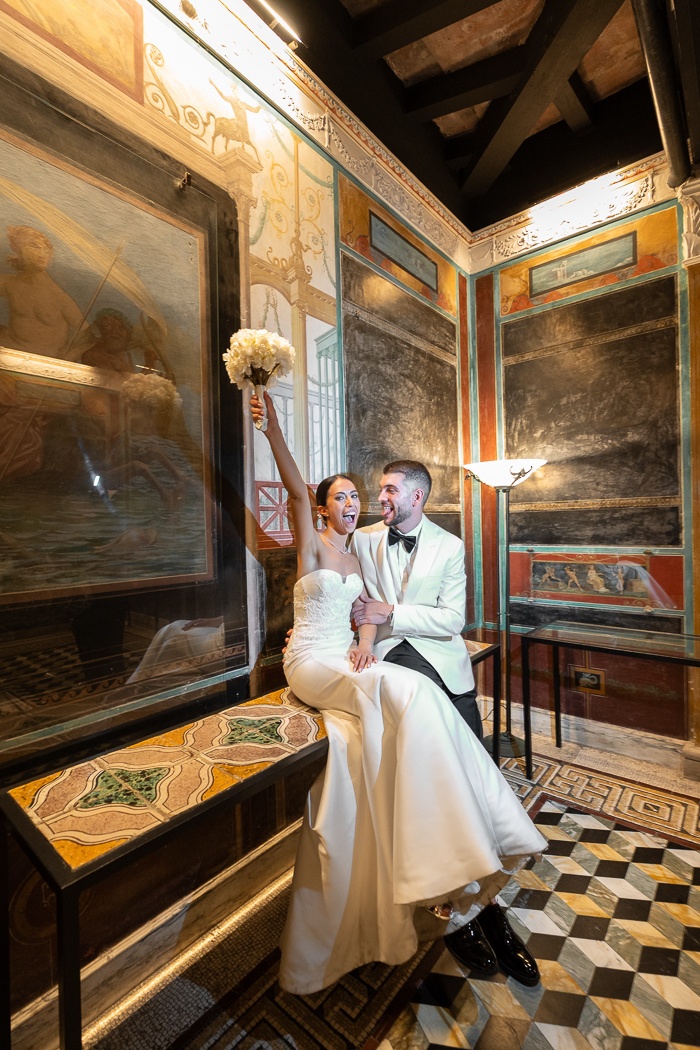
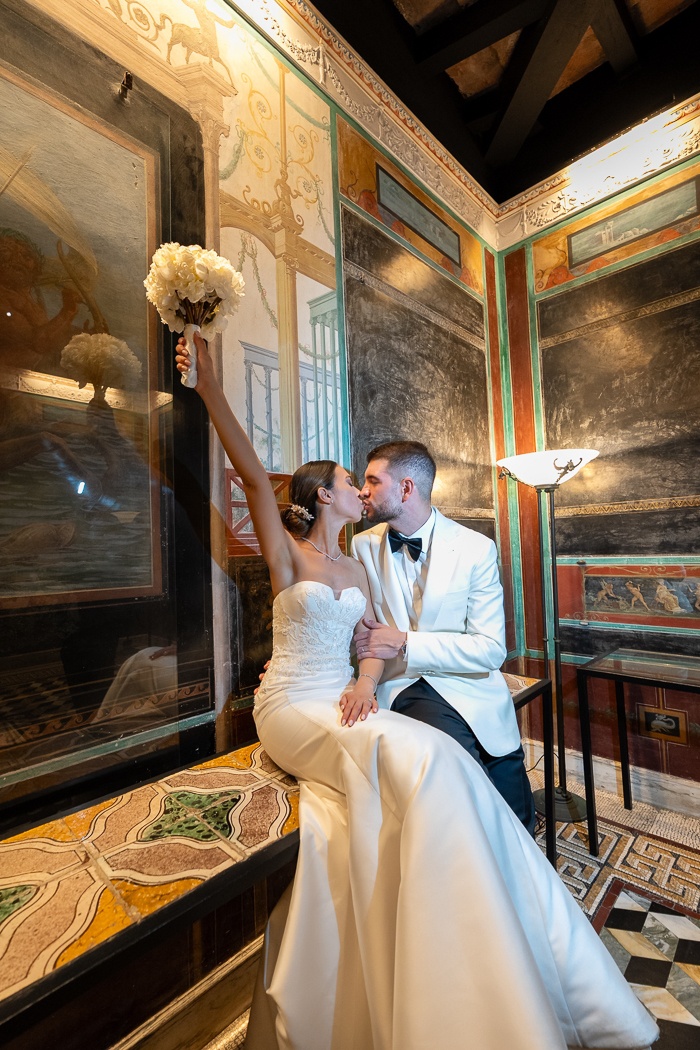
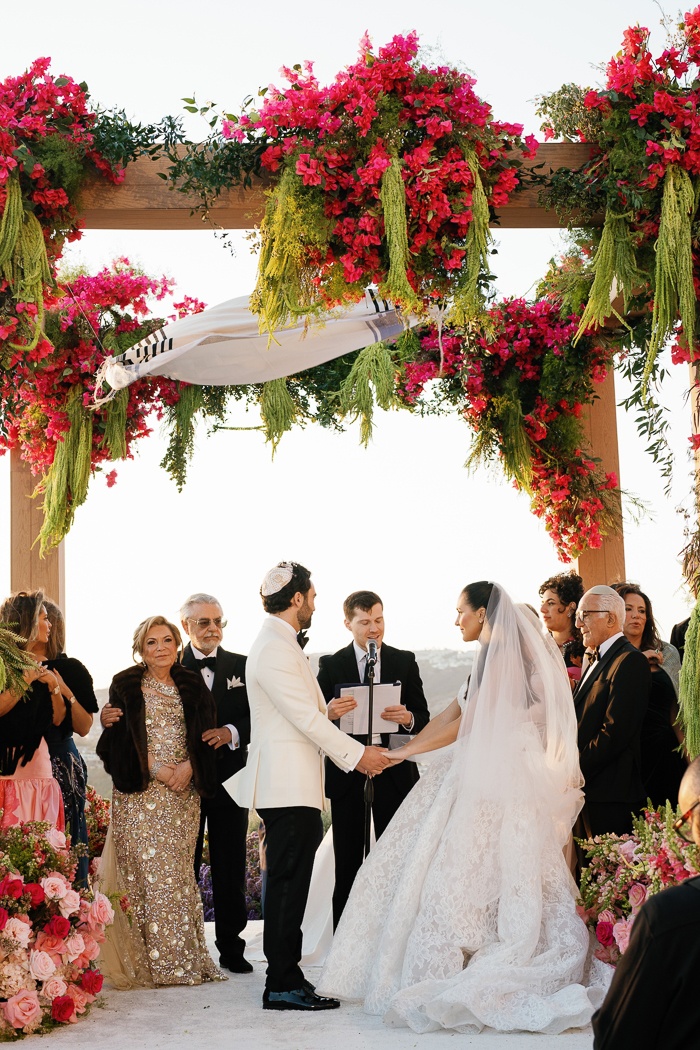
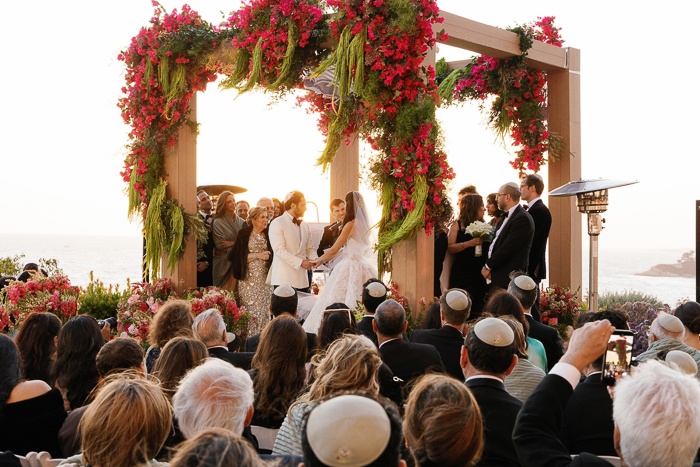
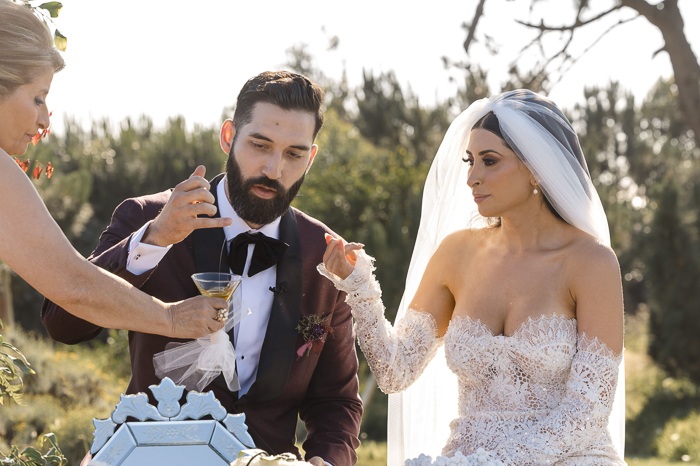
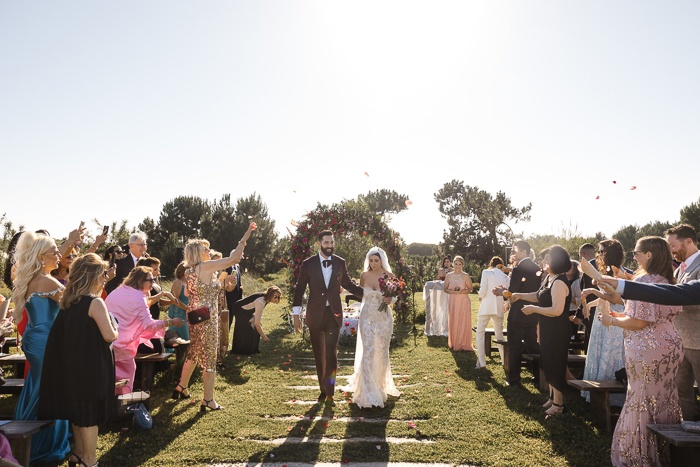
- A ceremony on the Villa Pompeiana terrace overlooking the Gulf of Naples
- Their best friend officiating the ceremony
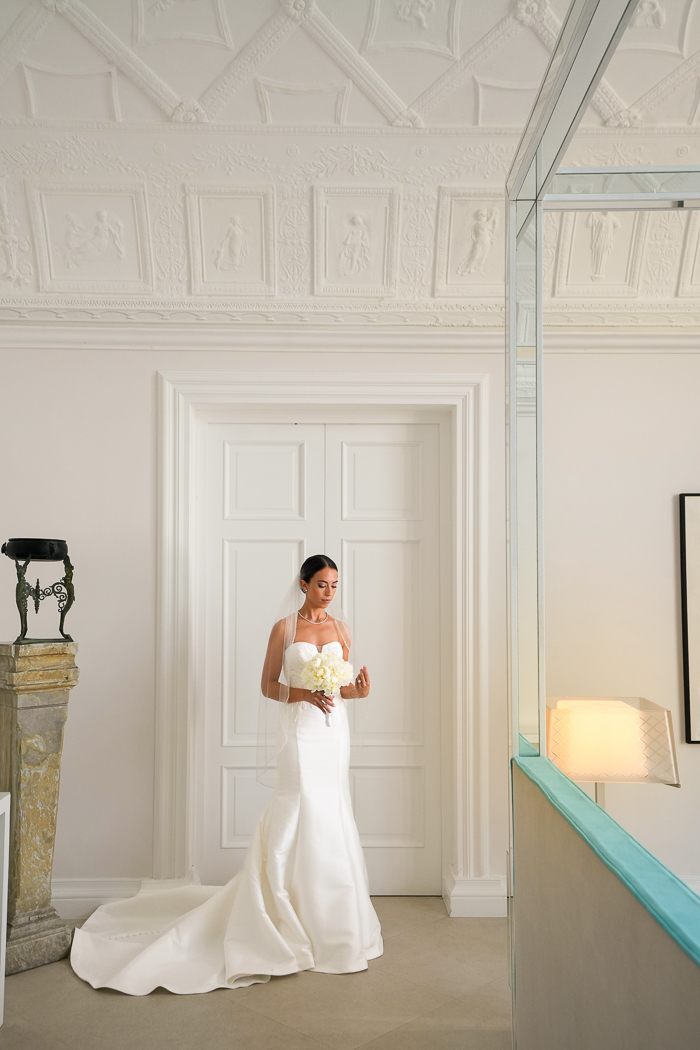
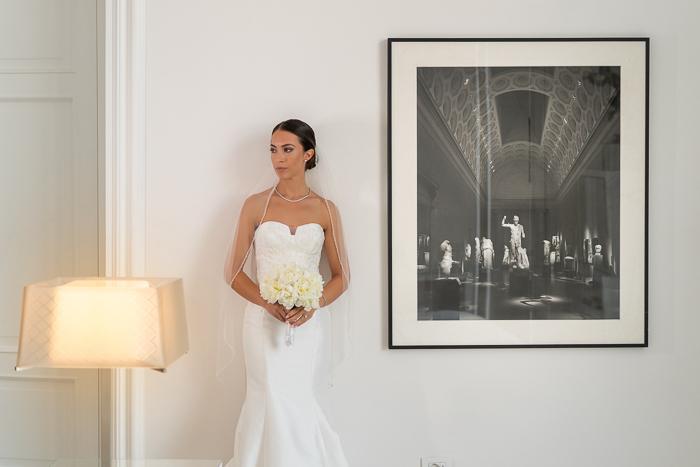
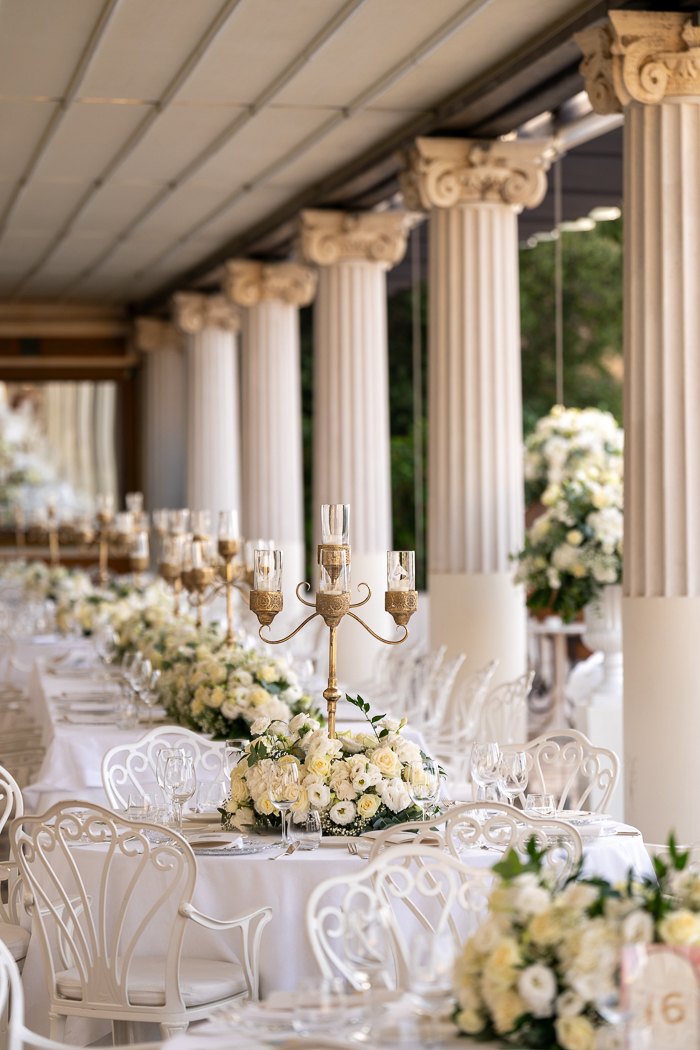
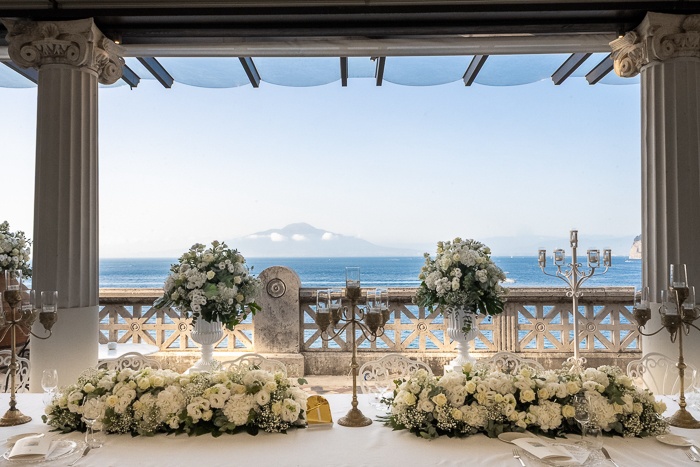
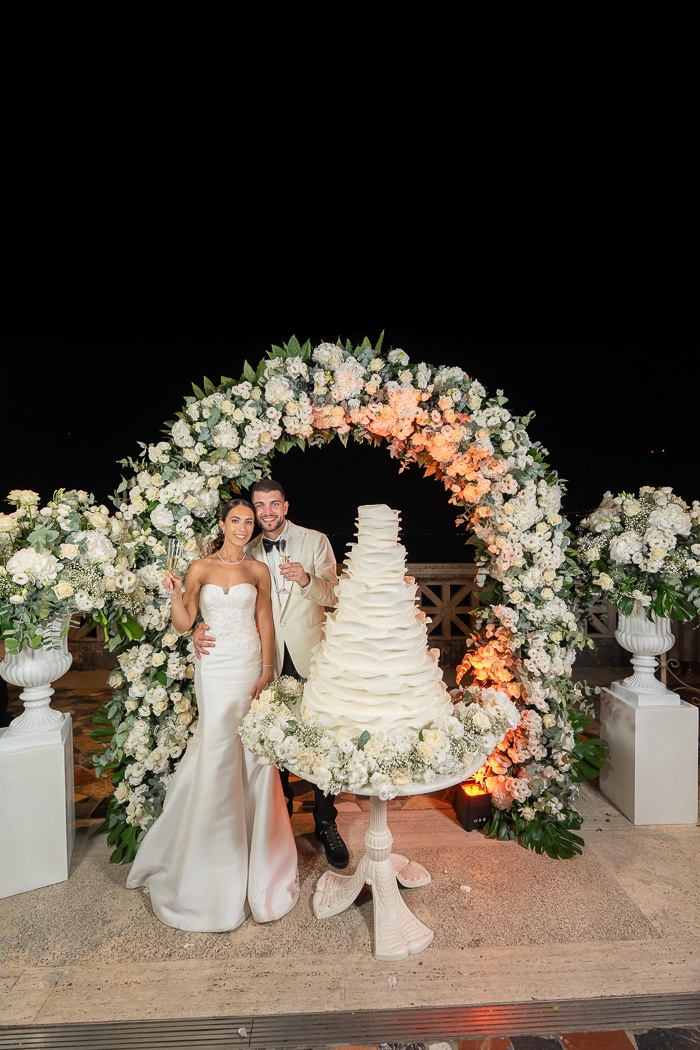
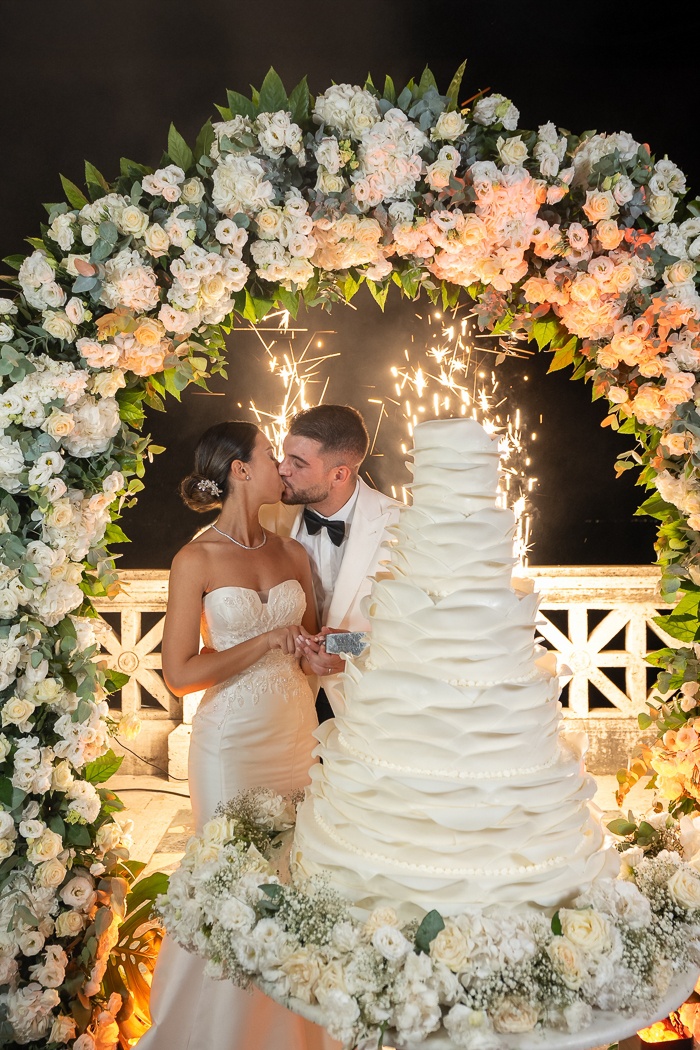
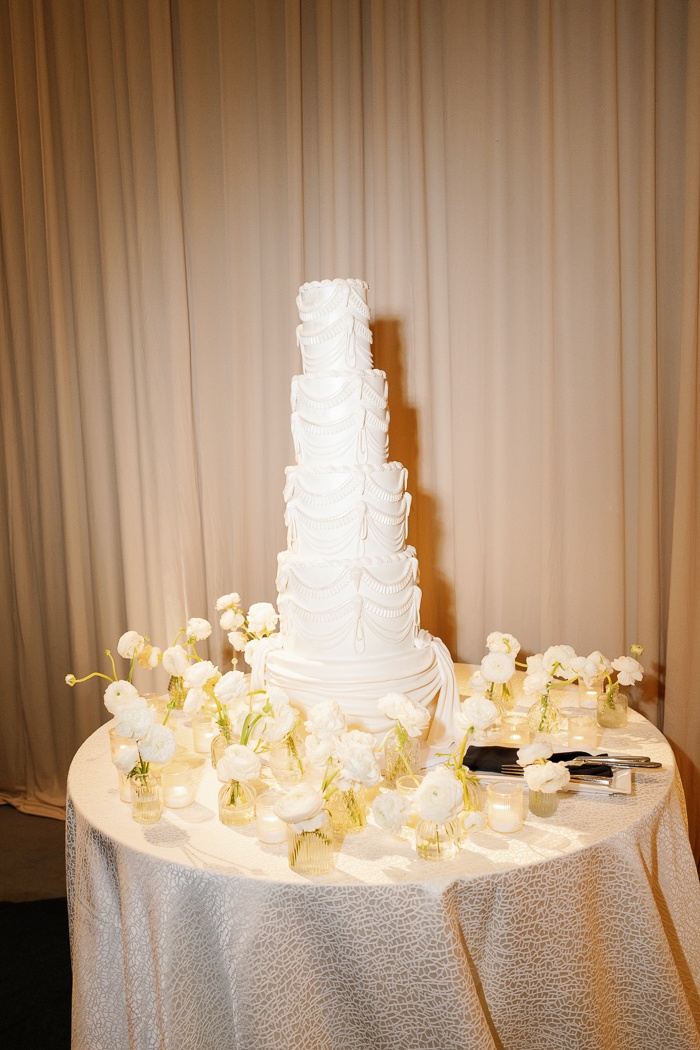
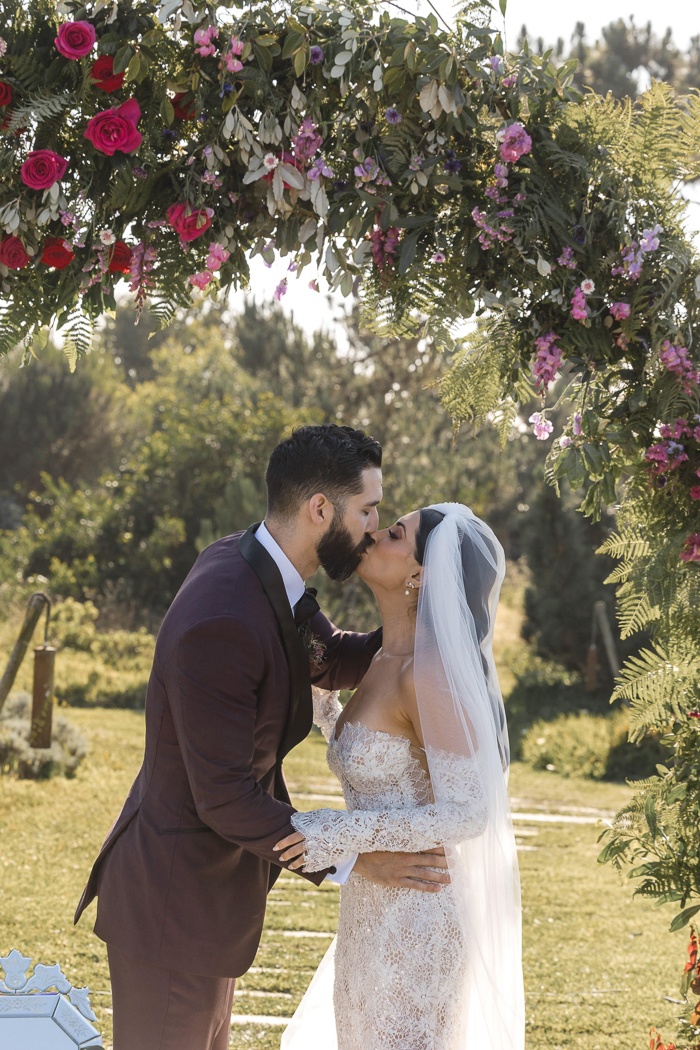
- White florals chosen to keep the focus on the cliffs and sea
- An after-midnight party inside a cave carved into the rock
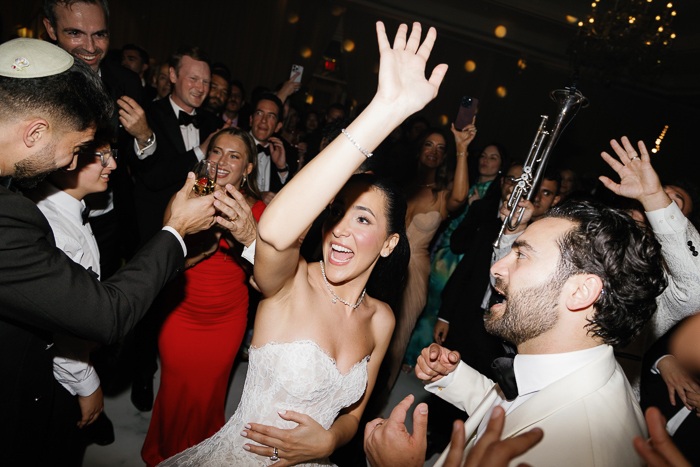
- Dancing until the early morning beneath the Sorrento cliffs
Featured Vendor:
Gaetano Rossi
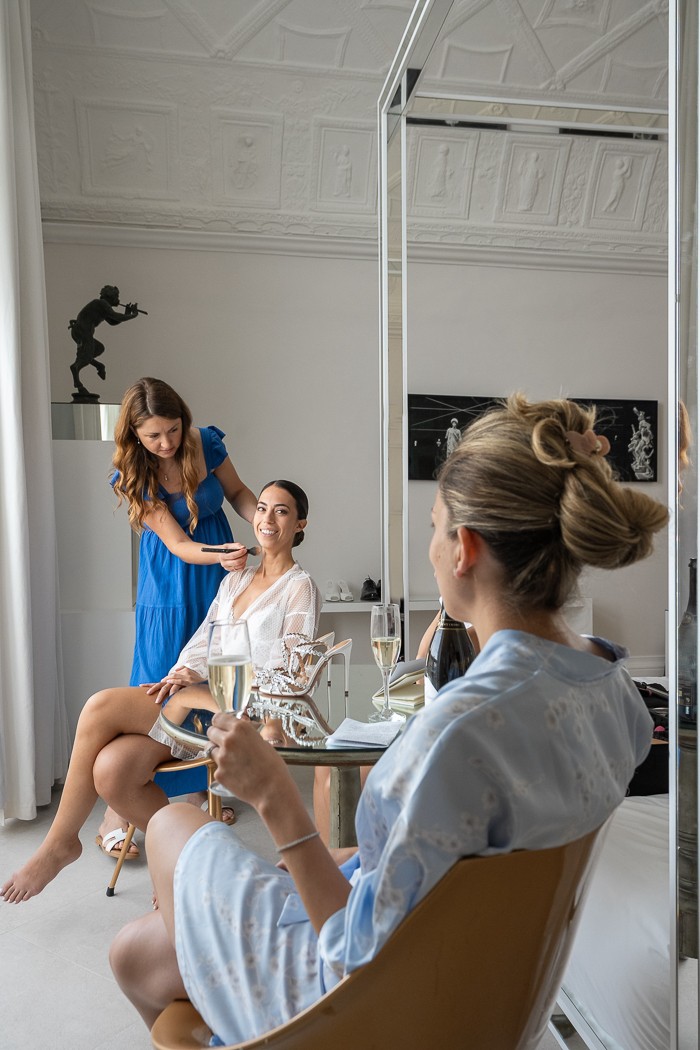


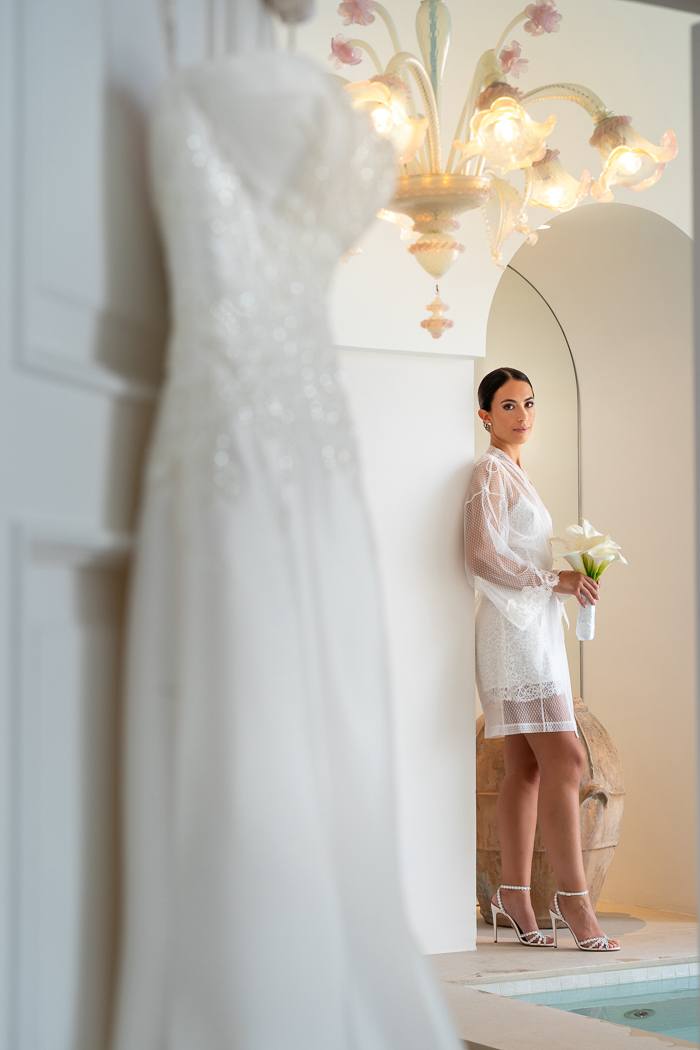
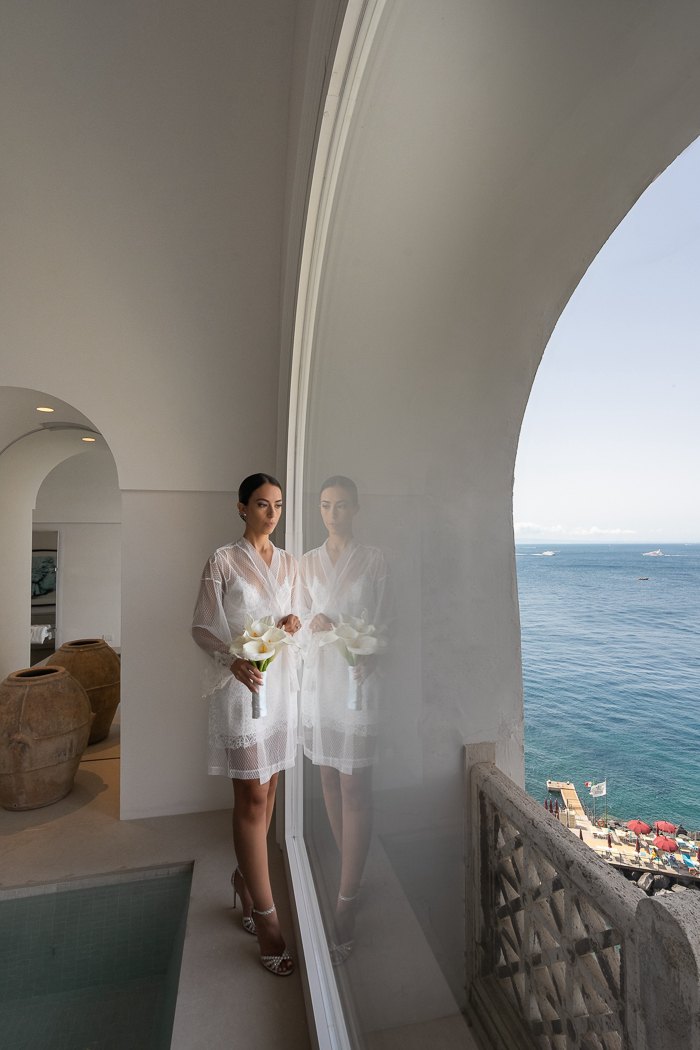
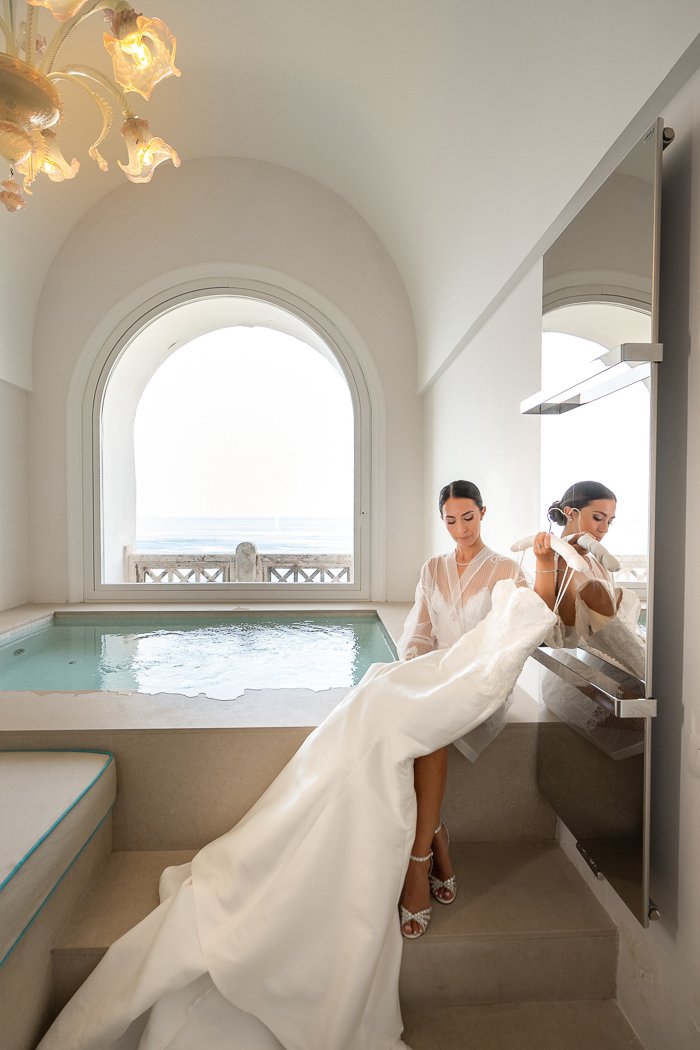
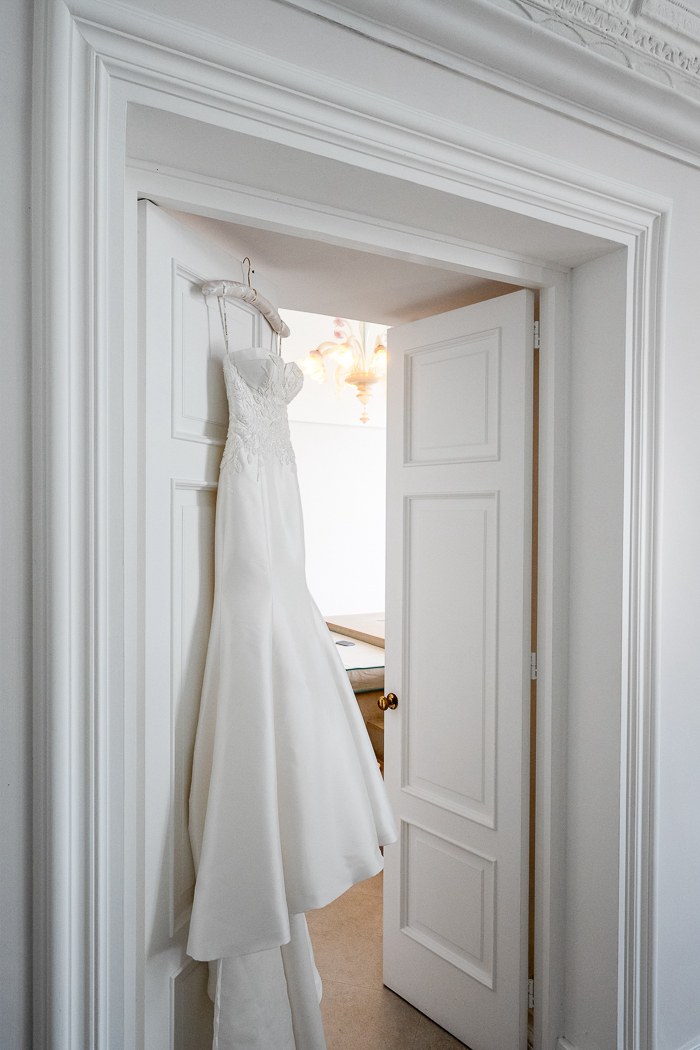
A Vacation in Sorrento Led Them to Their Wedding Venue
Ariana and Michael already had an intimate destination wedding in mind when they returned to Sorrento during the year of their engagement. Finding the Bellevue Syrene made the venue decision easy. “We could immediately picture ourselves celebrating there,” they shared. “We met with their bridal team, booked our date, and the rest fell into place.”
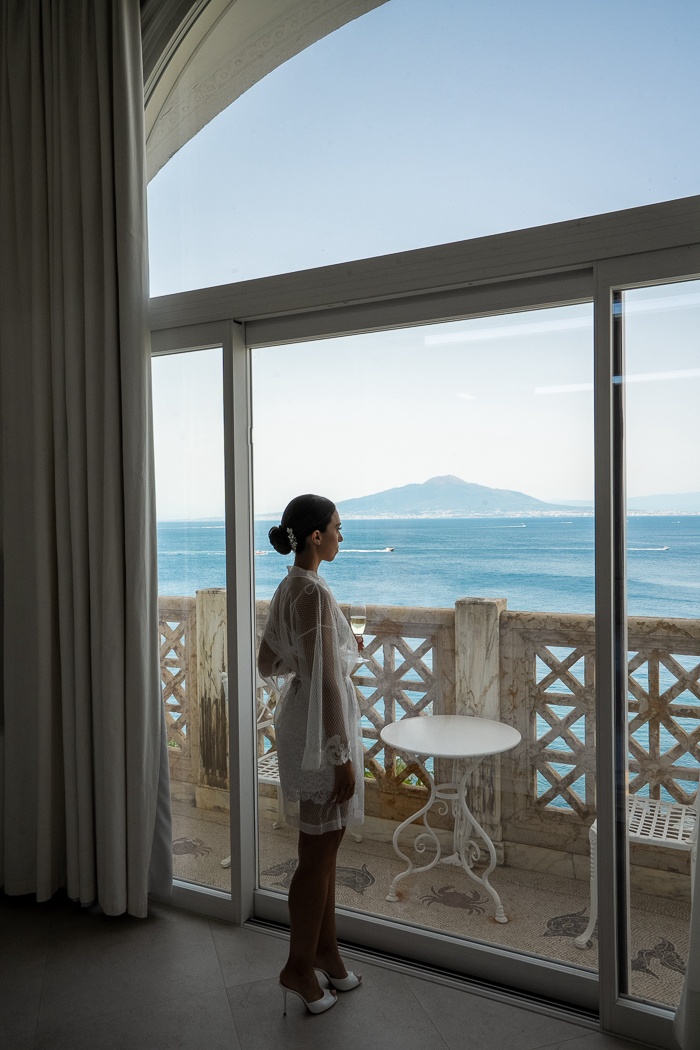
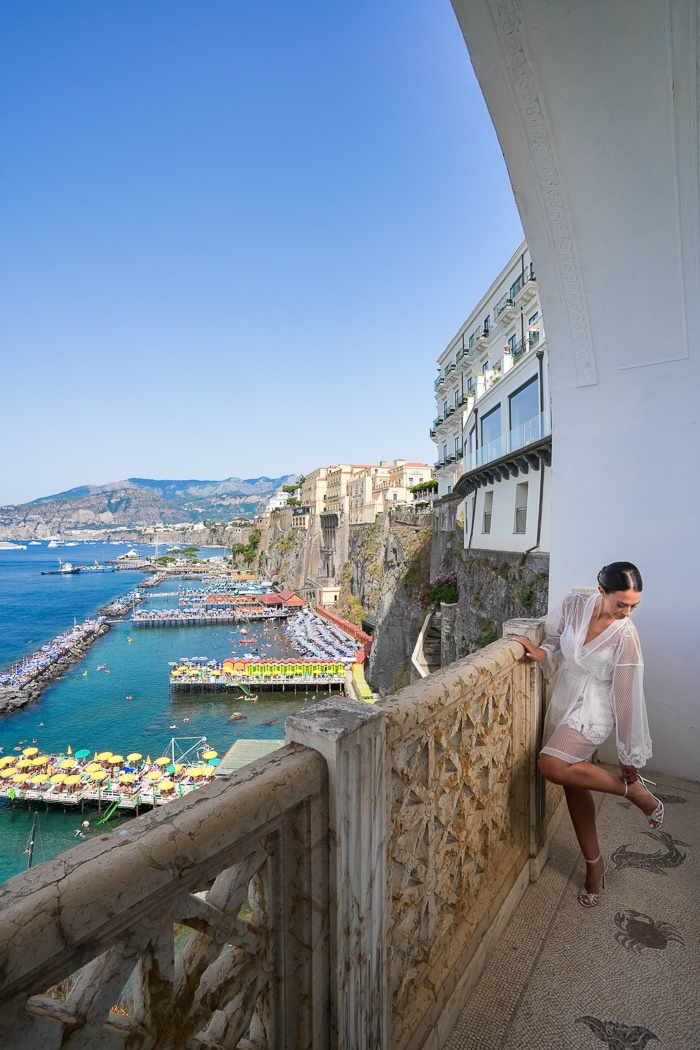
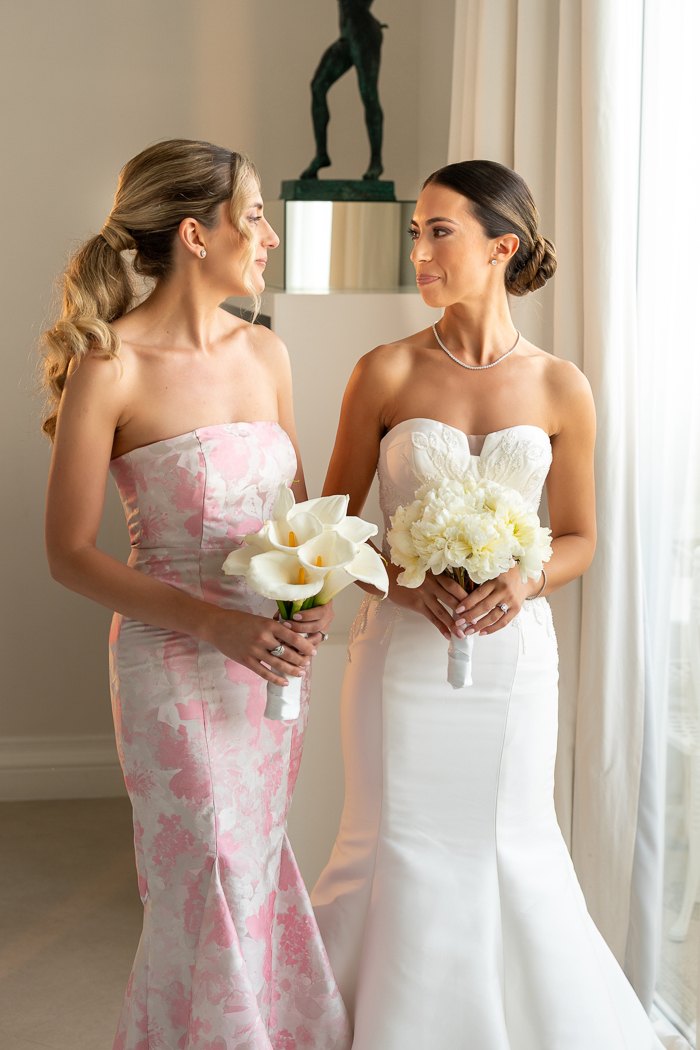
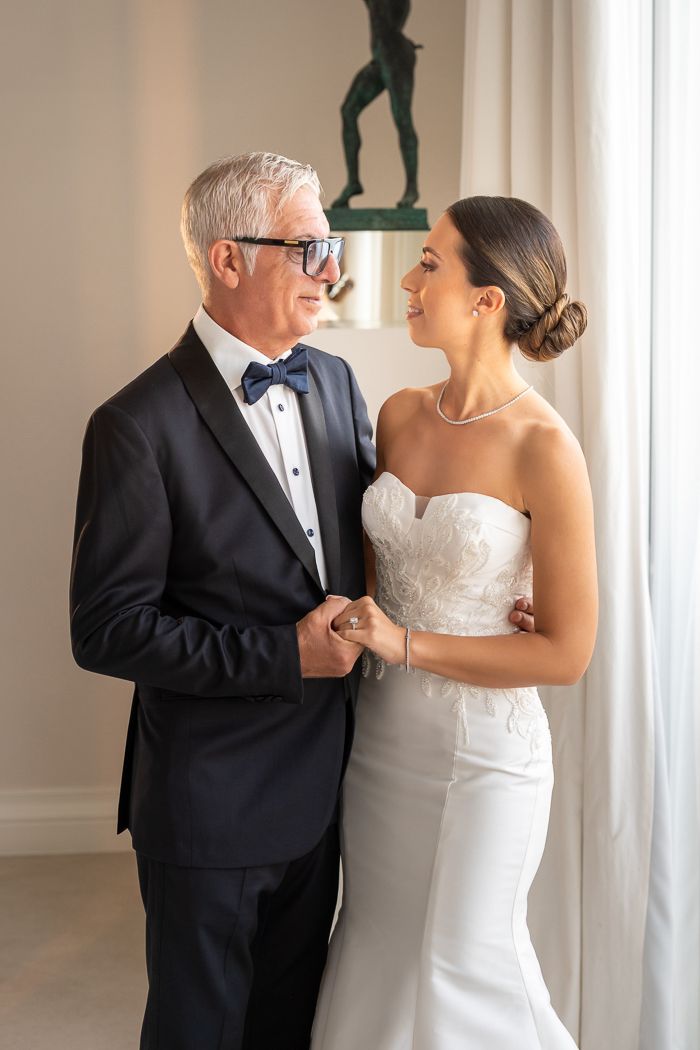
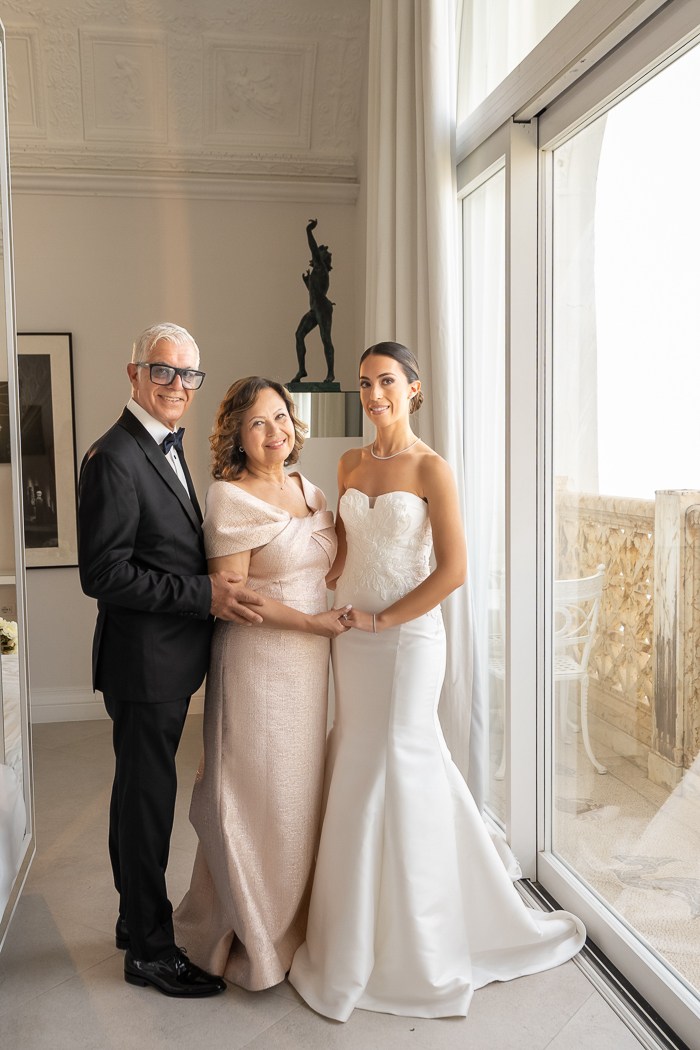
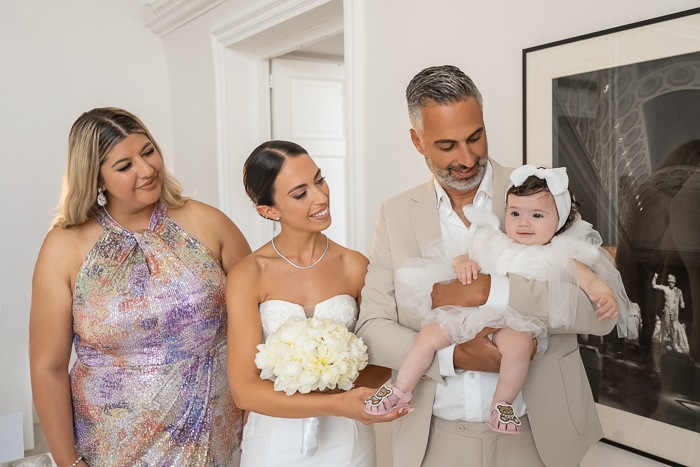
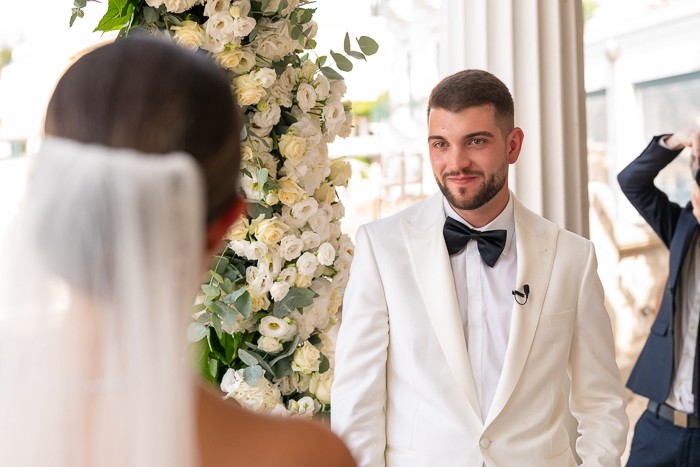
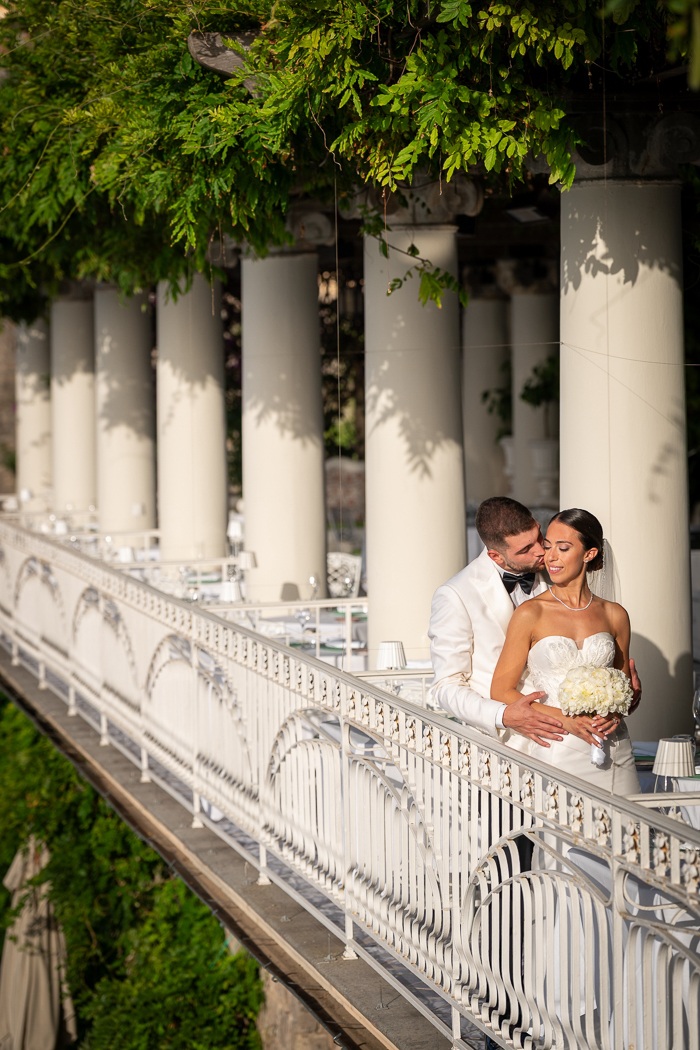
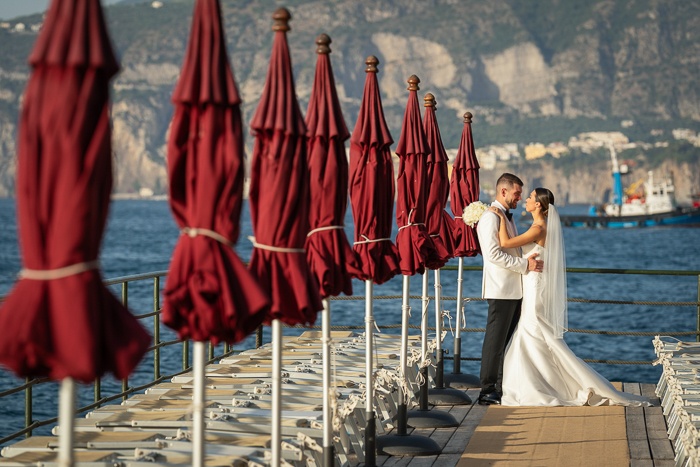
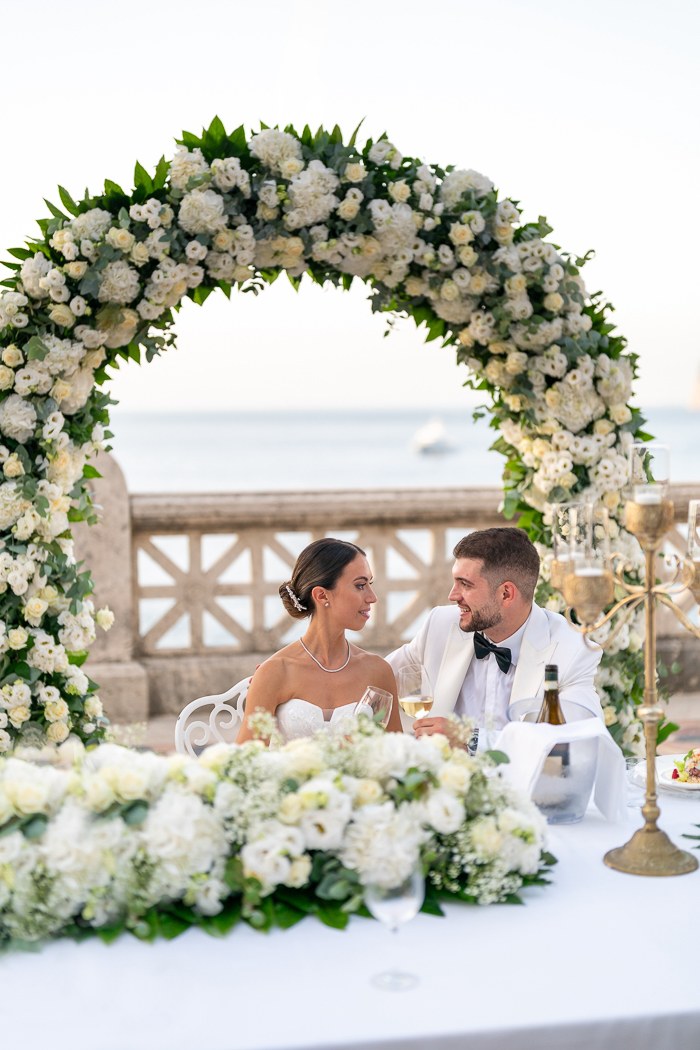
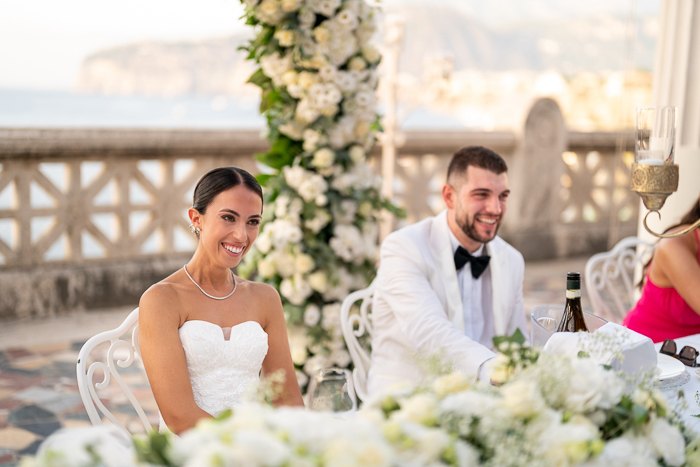
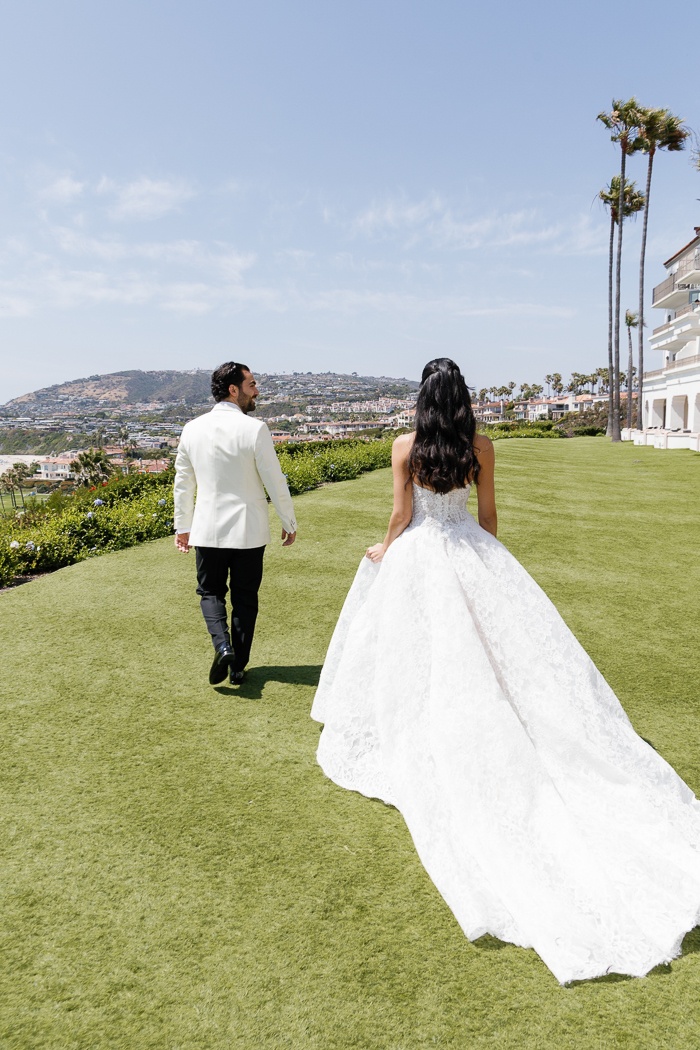
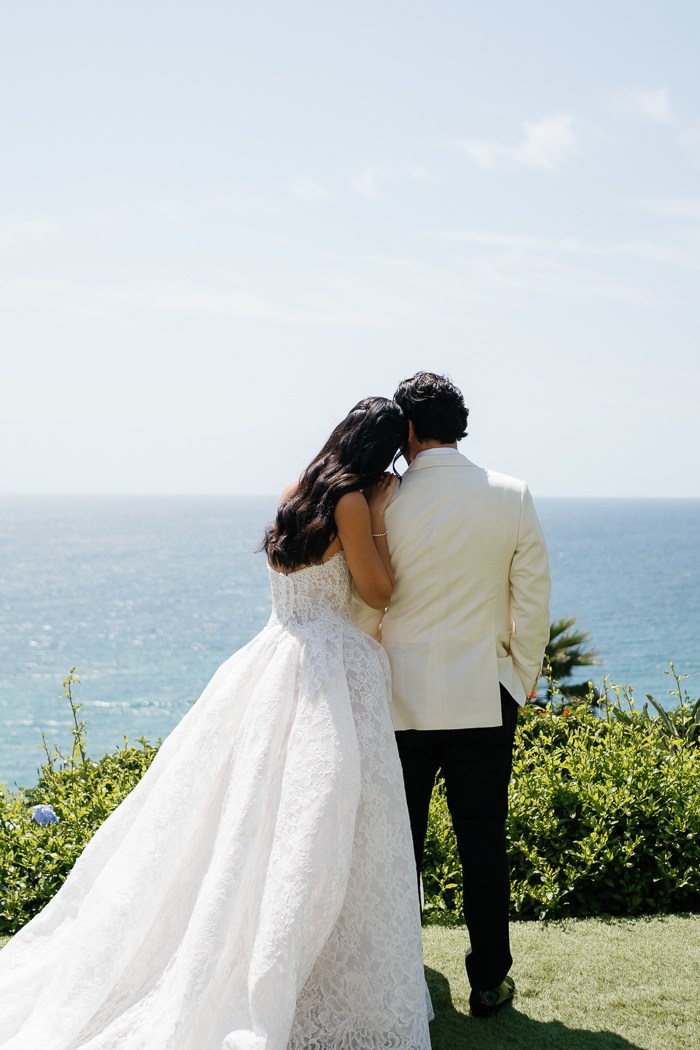
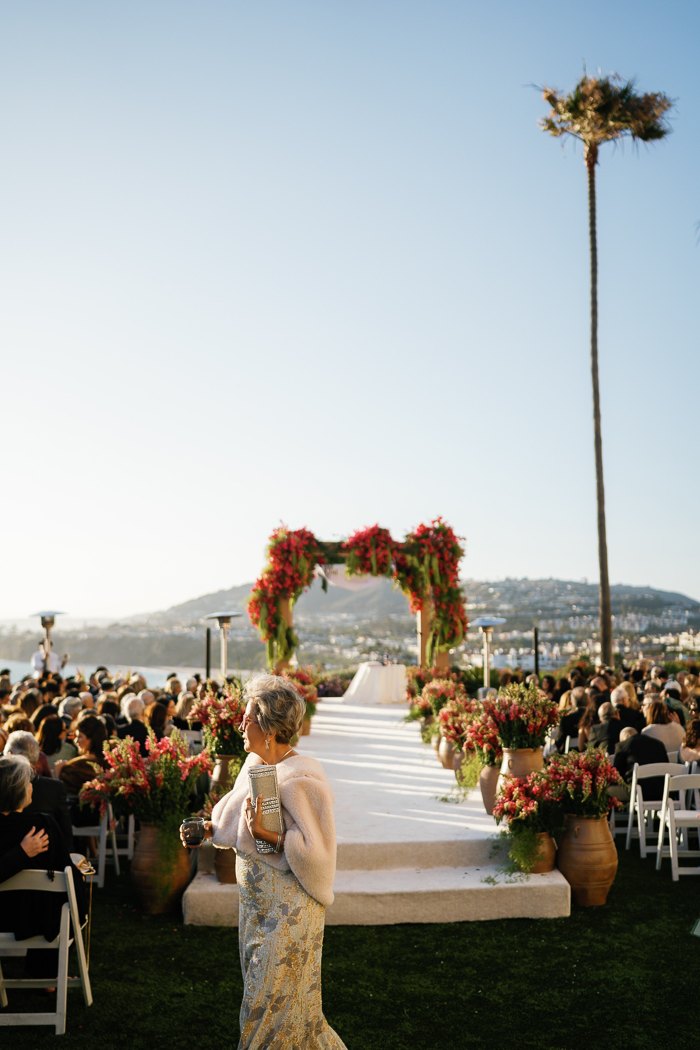
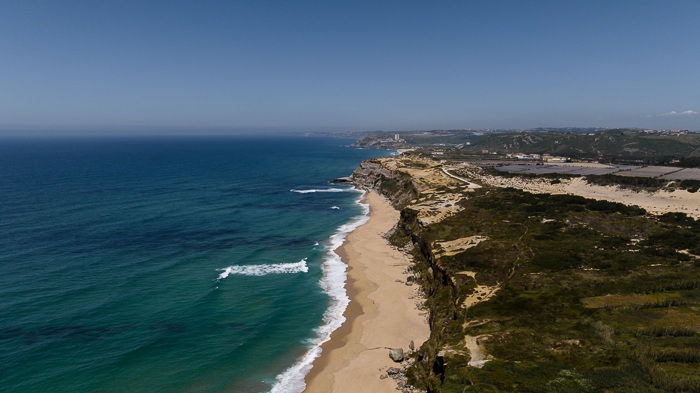
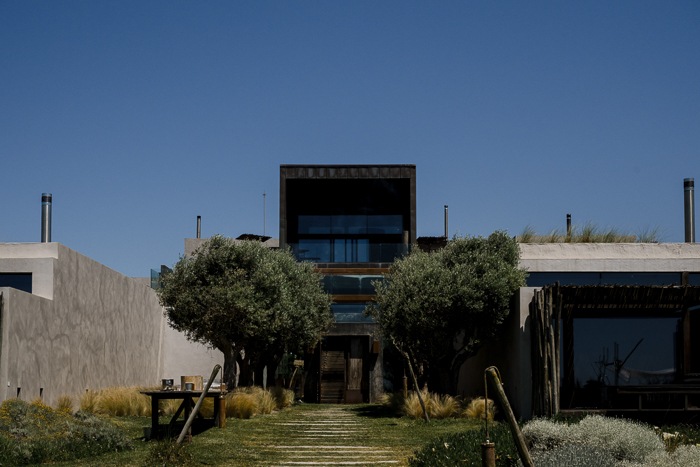
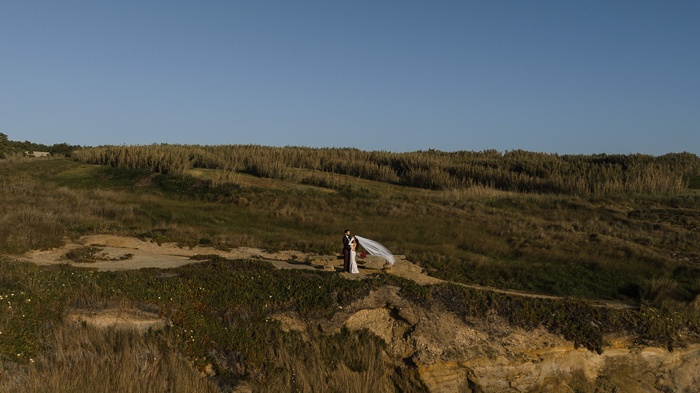
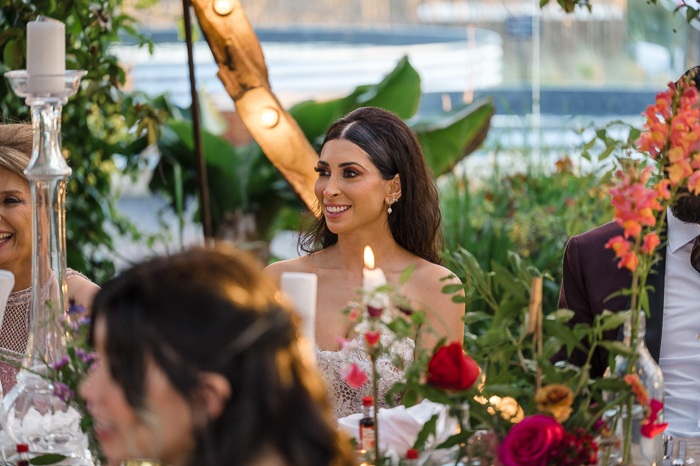
The historic 18th-century property sits directly on the cliffs, with panoramic views across the Gulf of Naples and Mount Vesuvius in the distance. Those surroundings also gave the couple a clear direction for the design. They kept the color palette focused on white florals and greenery, letting Sorrento’s cliffs, sea, and surrounding views provide the color.
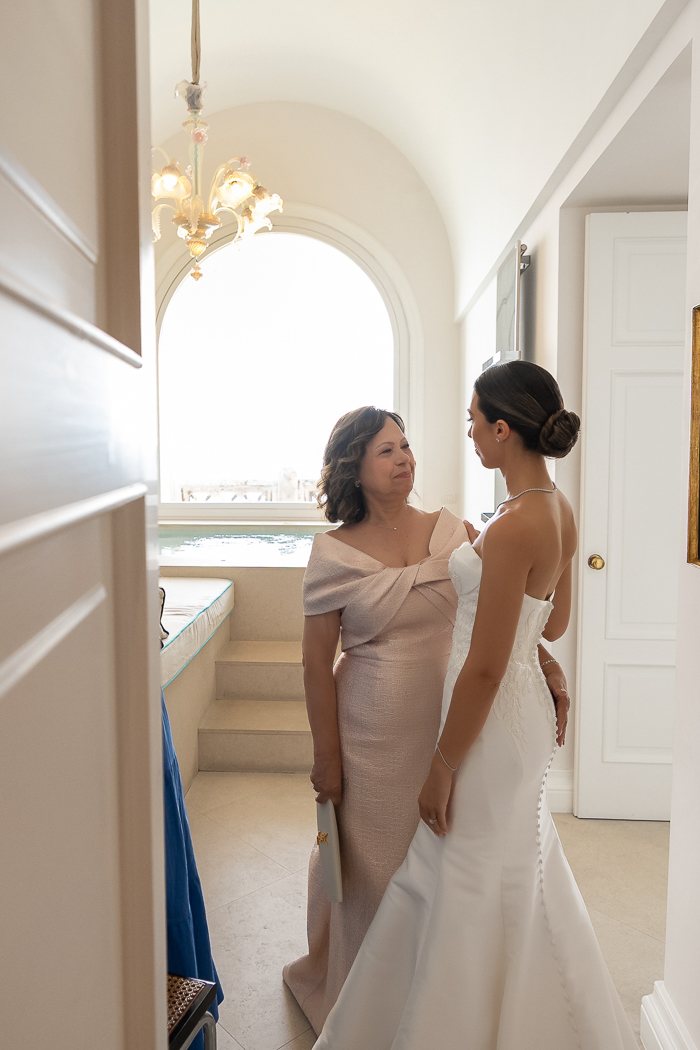
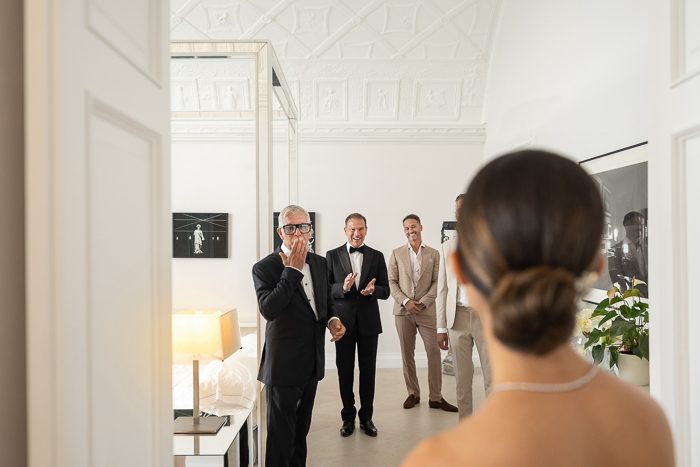
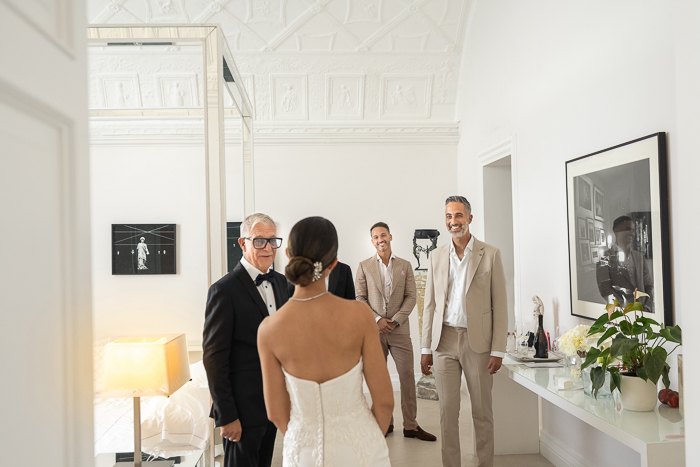
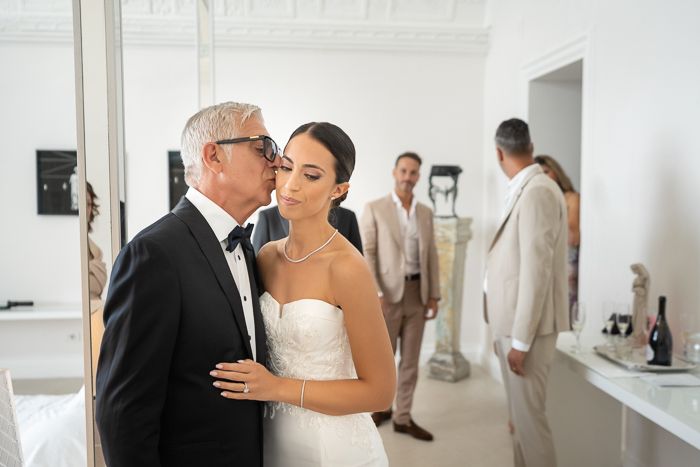
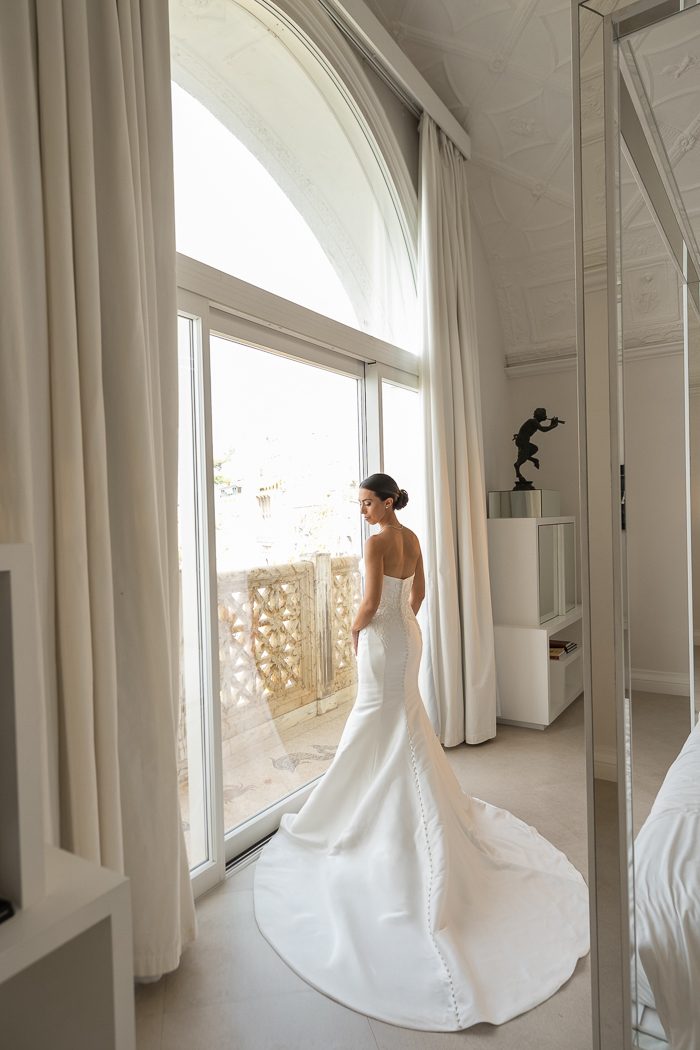

A College Best Friend Took on the Role of Officiant
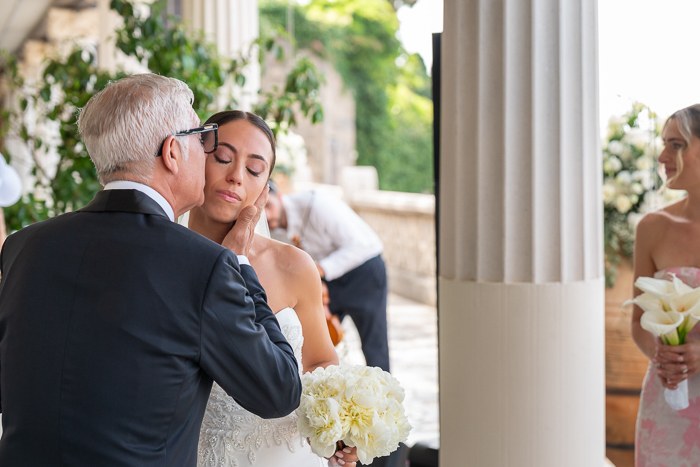
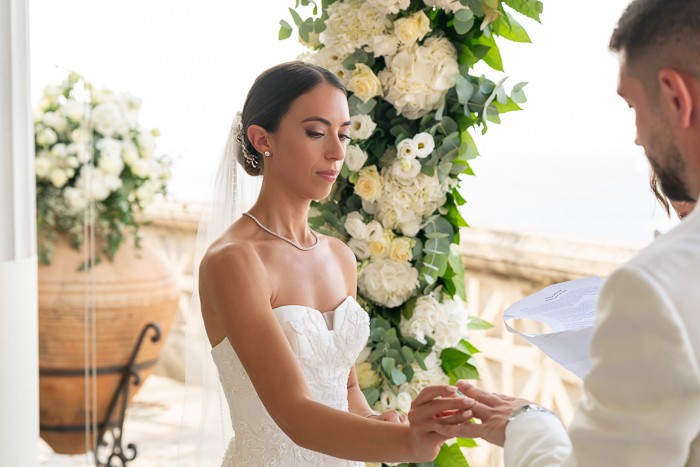
Among all the details of their Bellevue Syrene wedding, Ariana and Michael remember the person standing with them during their vows most clearly: their best friend. “There was something so special about being married by someone who has known us both individually and as a couple. It made the ceremony feel deeply personal.”
It was an especially fitting role for someone who had witnessed a relationship stretching back to their college years. Ariana and Michael met through a mutual friend when they were eighteen and spent the next decade navigating different stages of adulthood together. “We grew up alongside each other and went through all of it together. We somehow kept choosing each other through every version of who we became over time.”
Bellevue Syrene’s Wedding Team Gave Them a Head Start on Planning
Planning a wedding abroad became more manageable with help from the venue’s bridal team, who gave Ariana and Michael a curated list of vendors they had previously worked with.
From there, the couple looked for people whose work and personalities suited them. Planners Teresa and Angelo handled the details and translated their initial ideas into the wedding day, leaving Ariana and Michael free to enjoy more of the planning process.
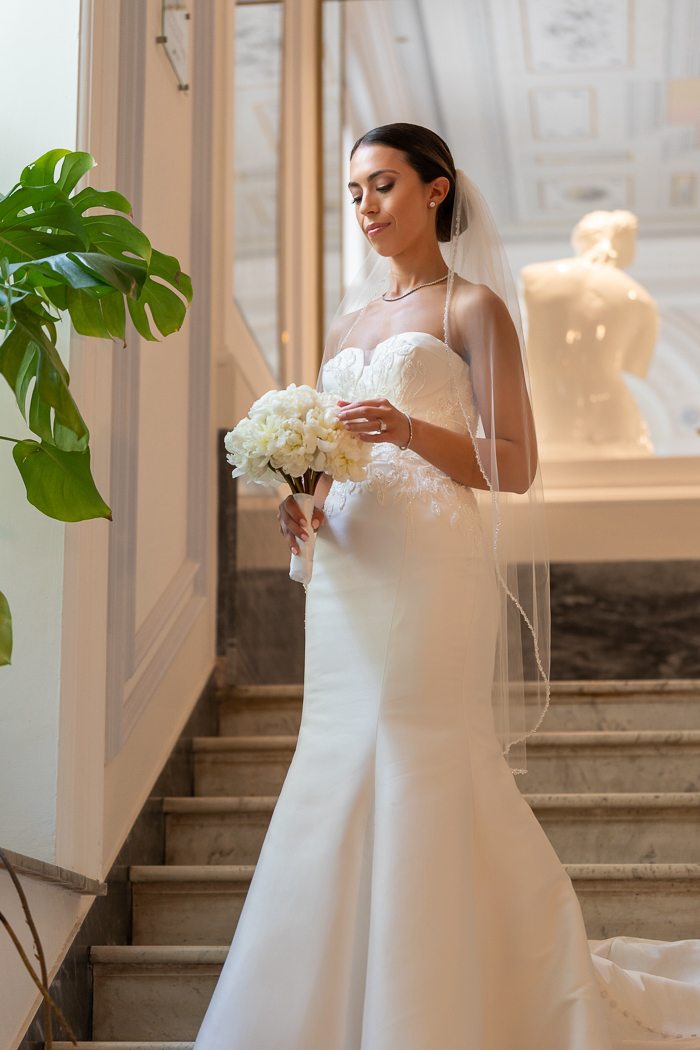
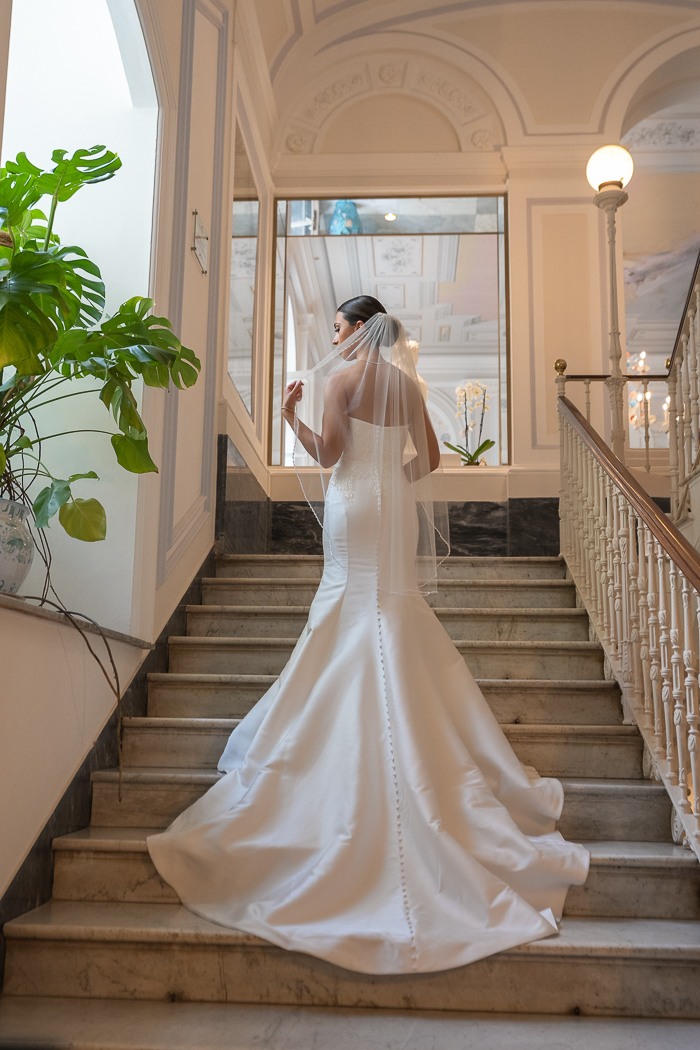
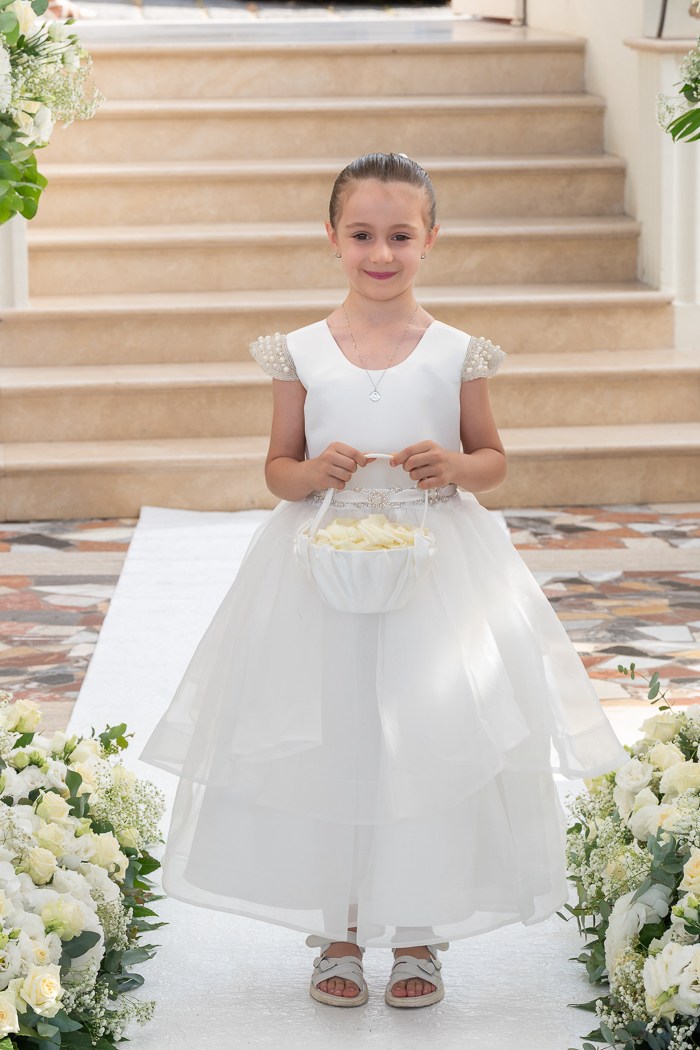
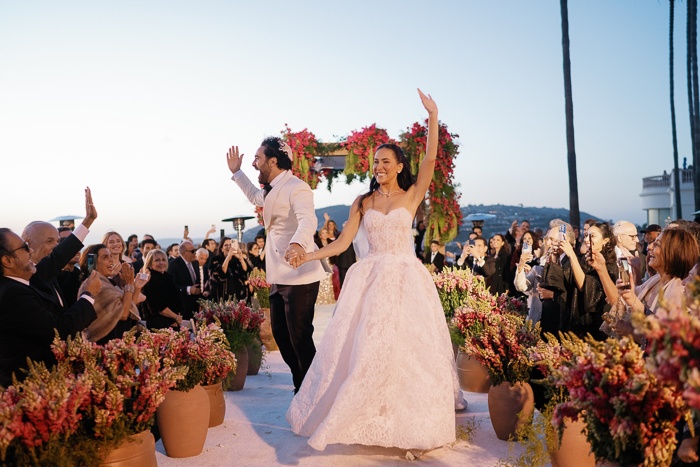
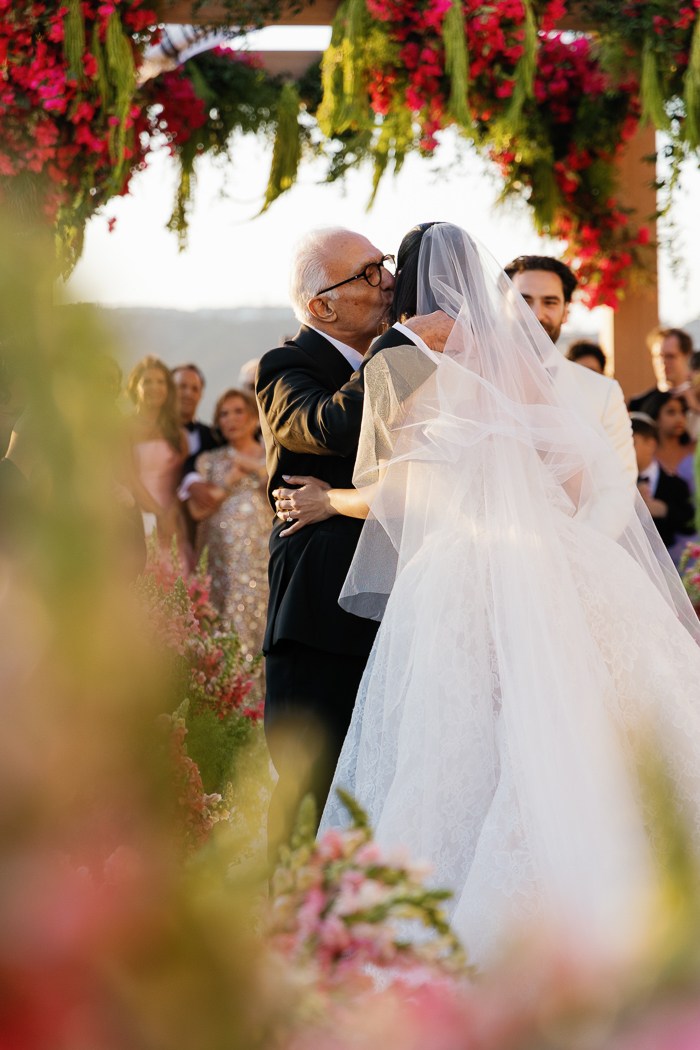
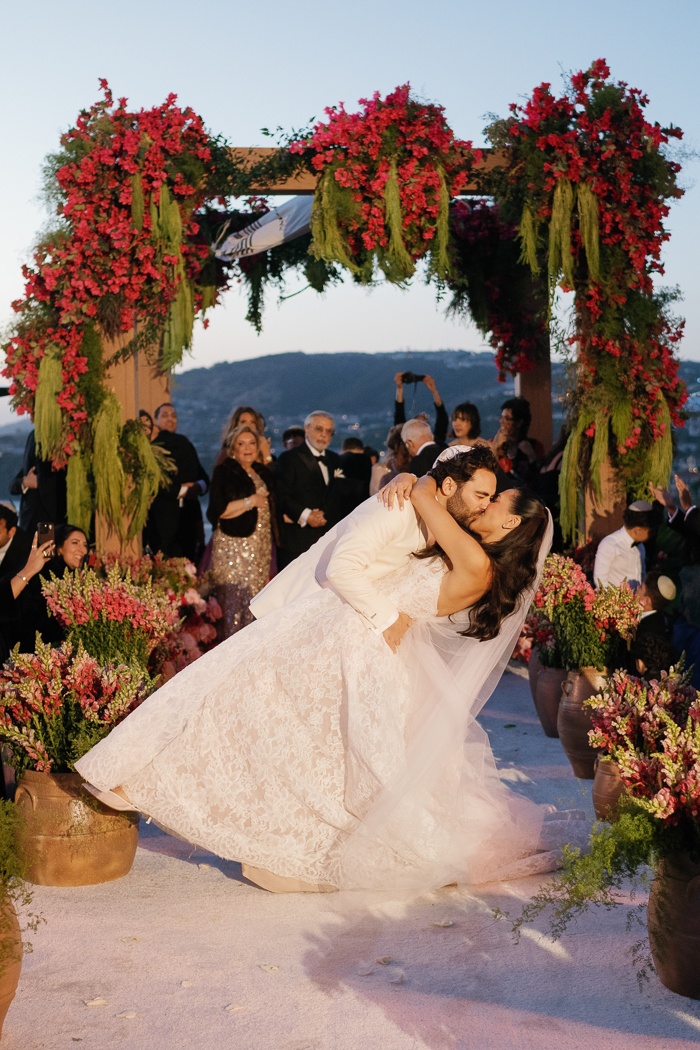
That approach also kept the design consistent with what had first attracted them to the property. On the Villa Pompeiana terrace, white flowers framed the ceremony without obscuring the water and cliffs beyond it.
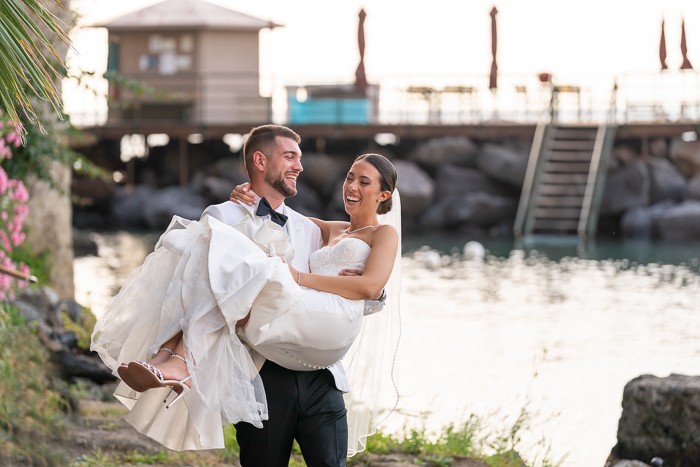
Starting the Reception With an Italian Pop Classic
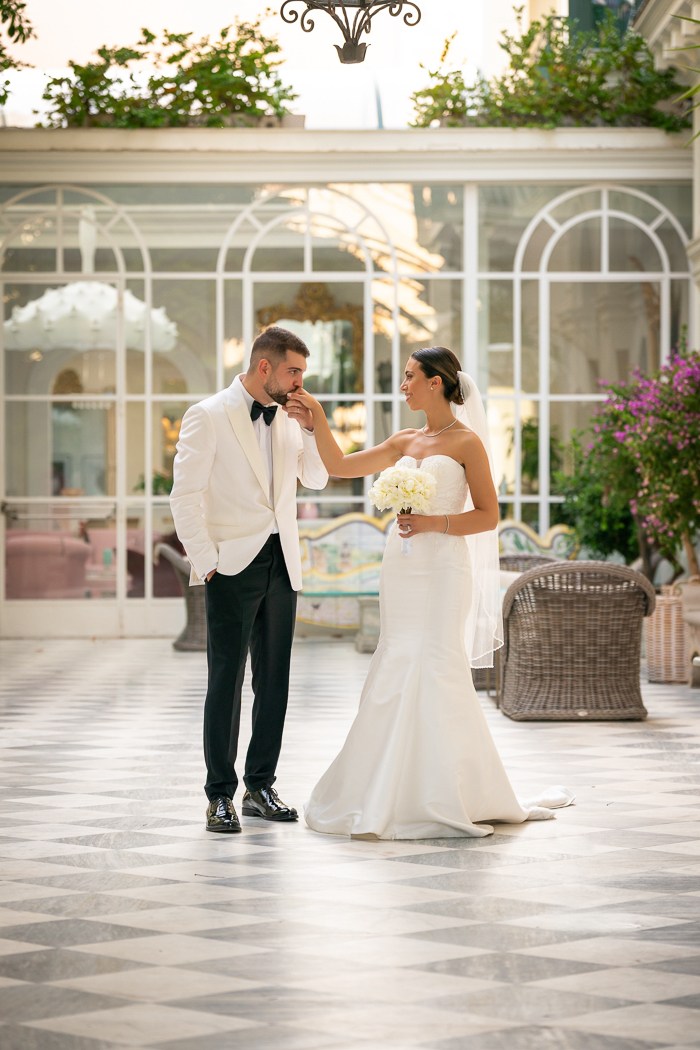
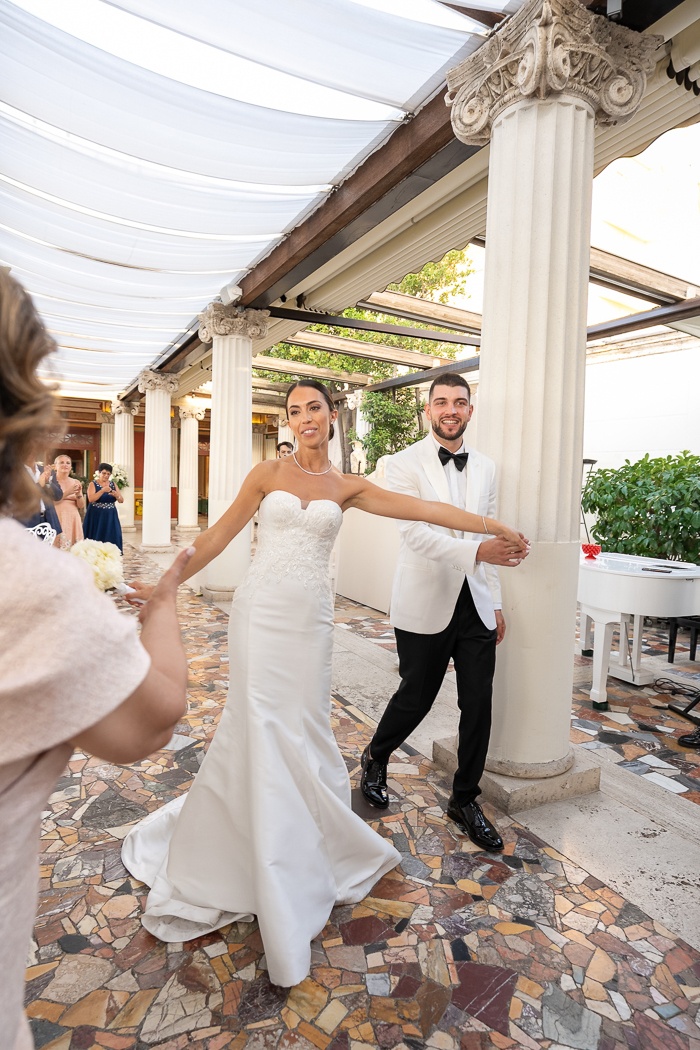
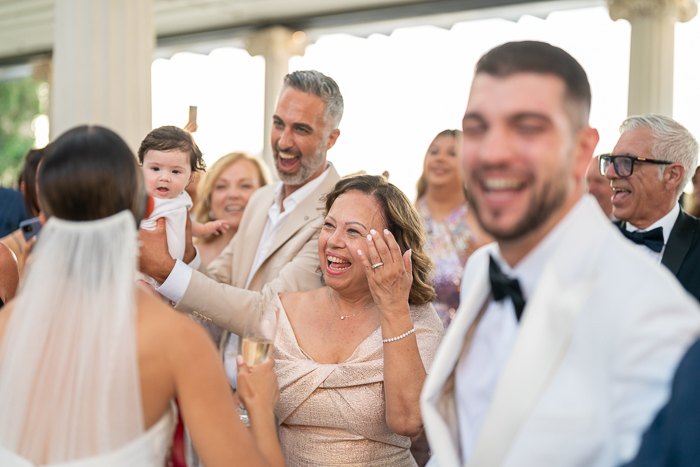
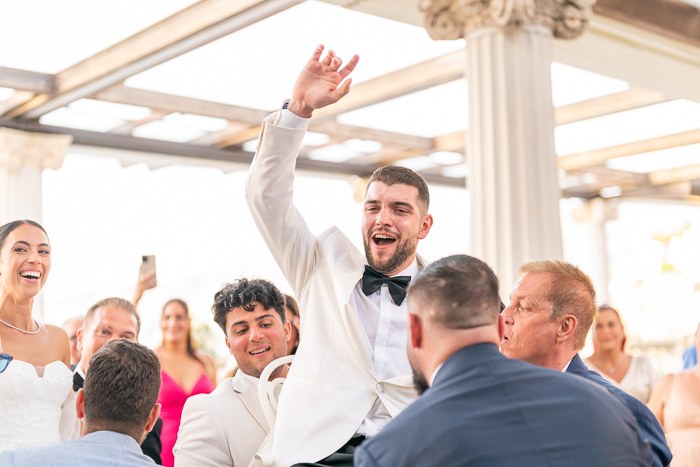
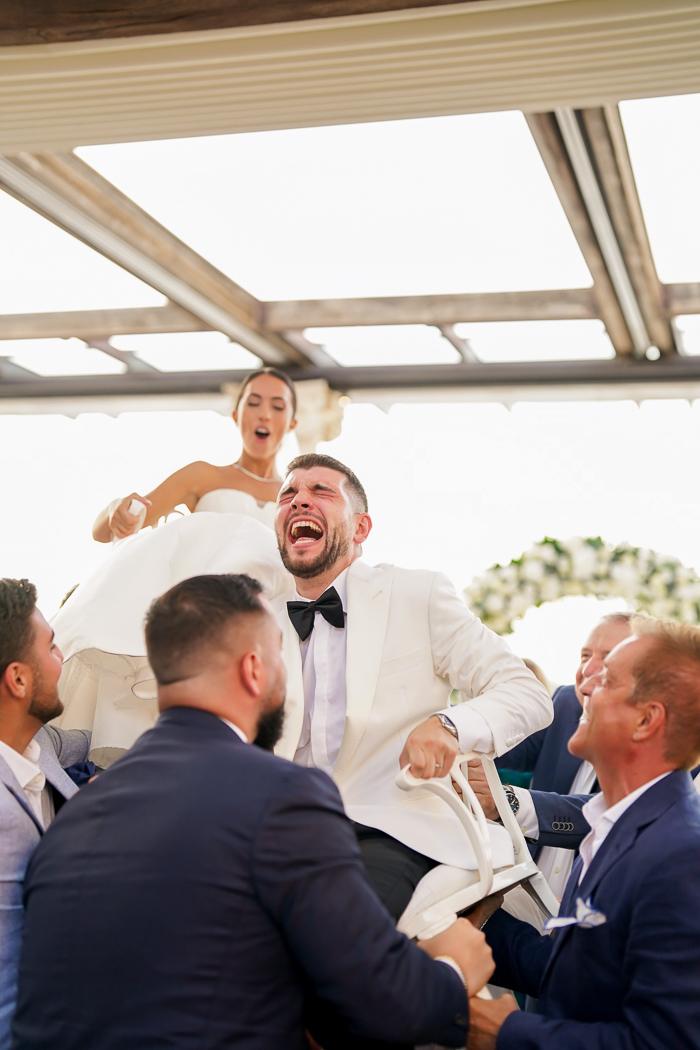
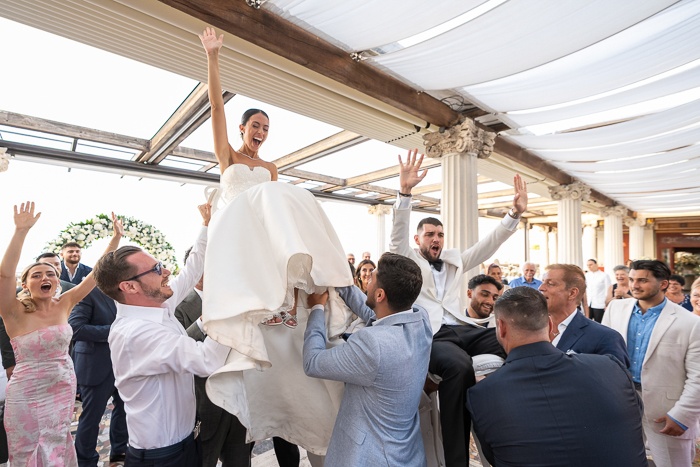
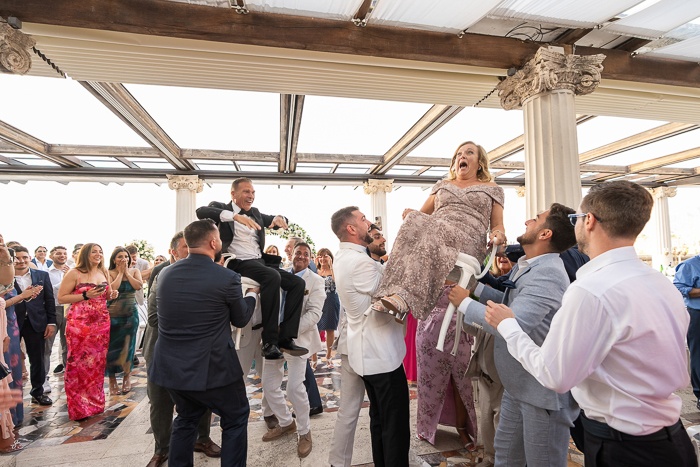
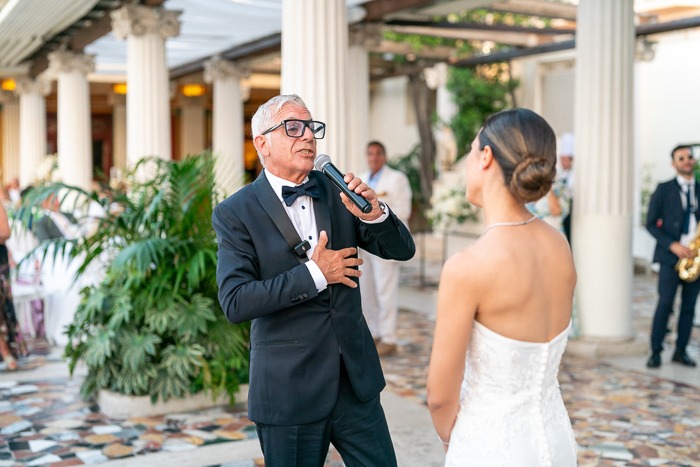
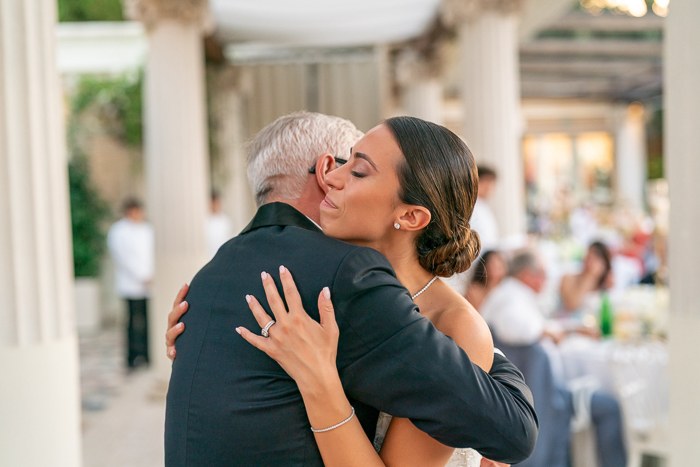
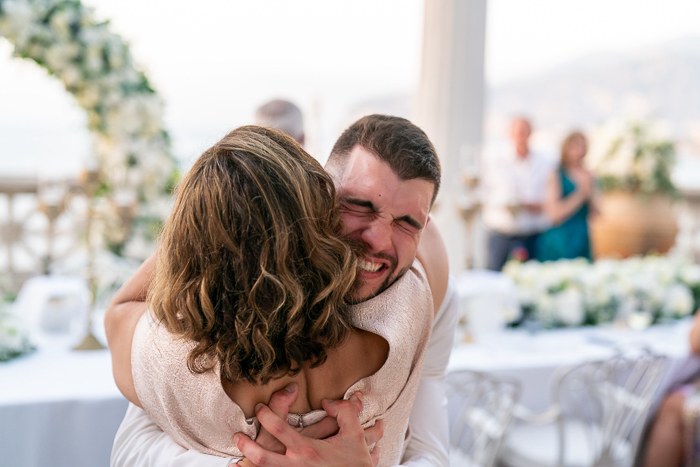
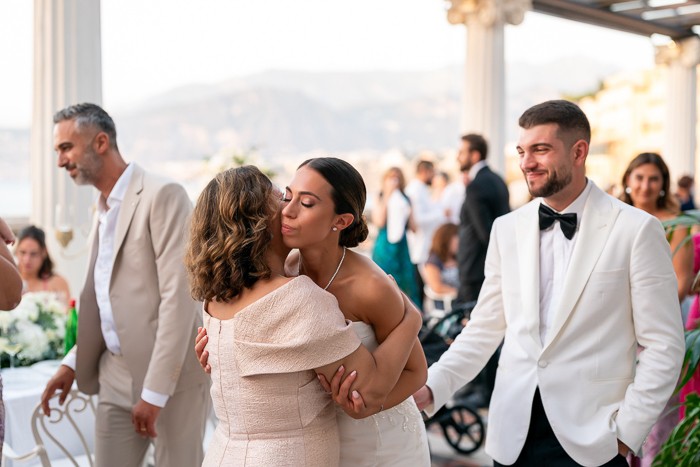
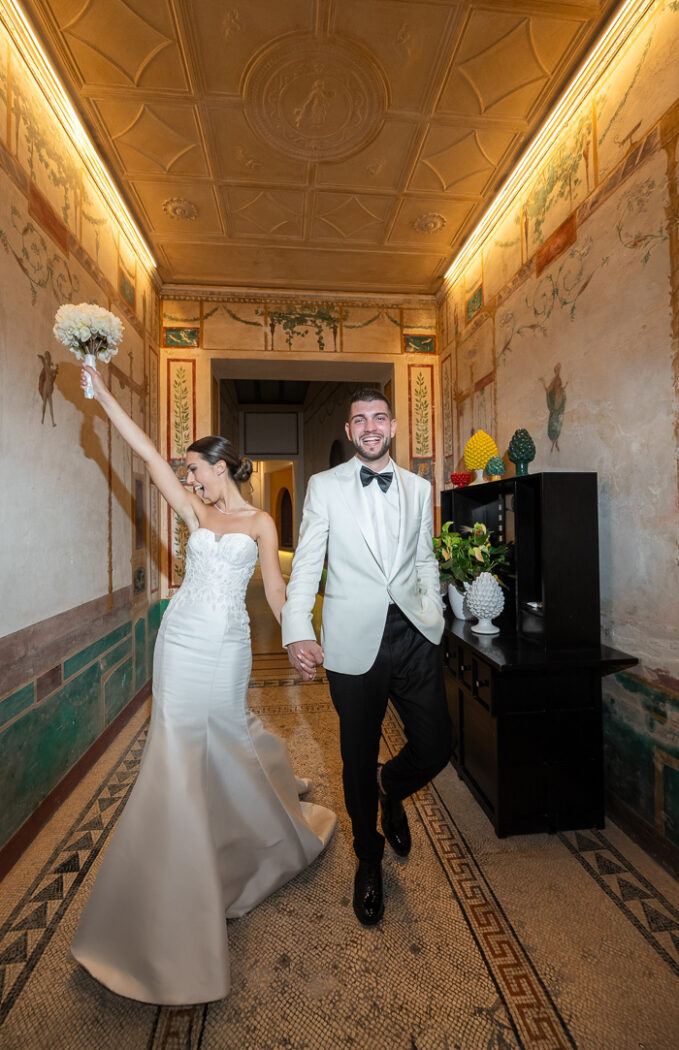
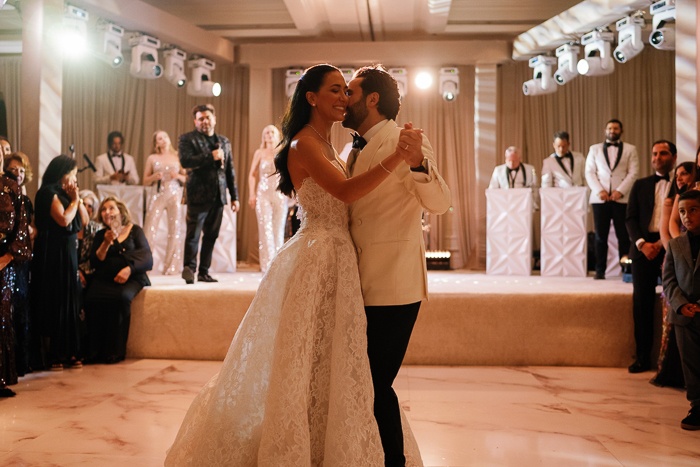
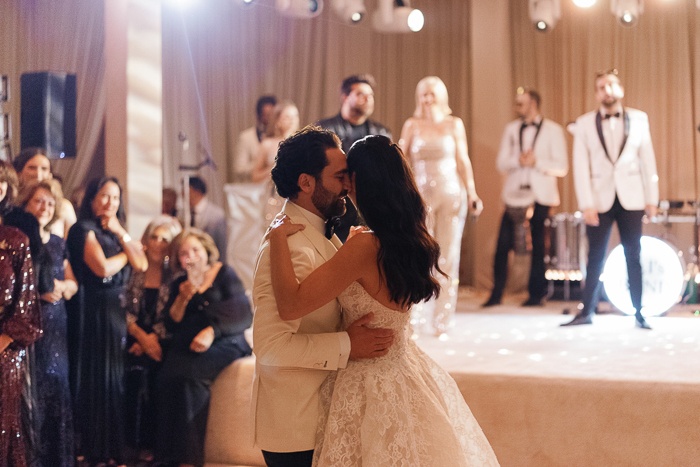
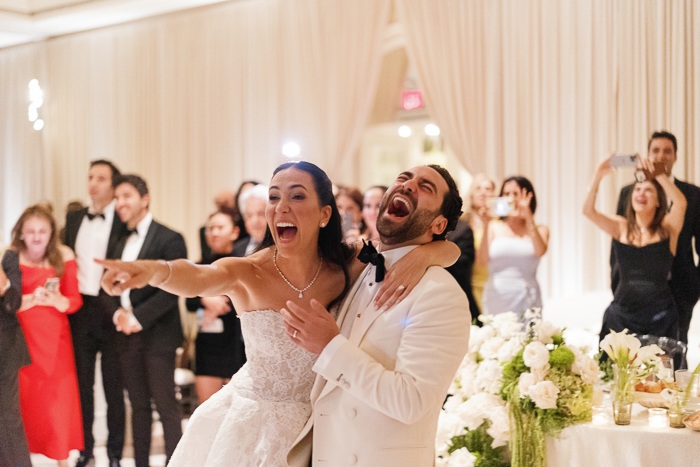
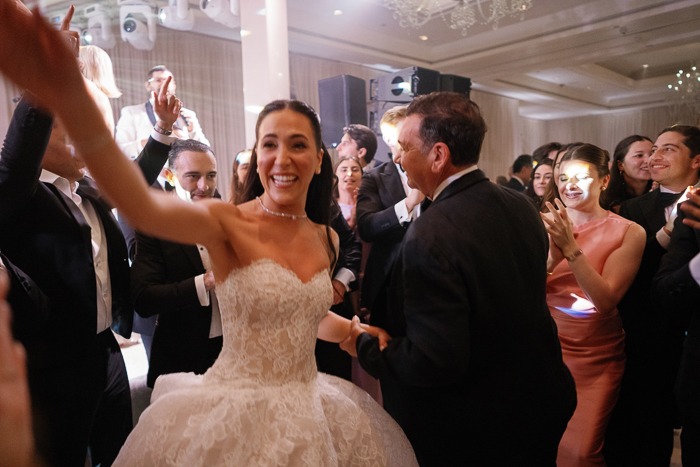
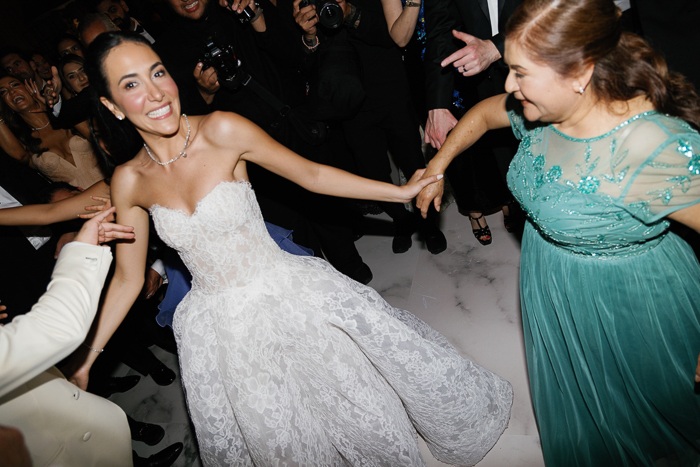
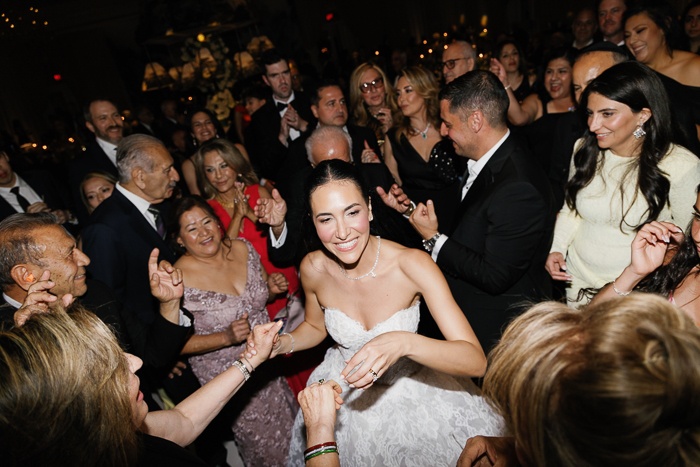
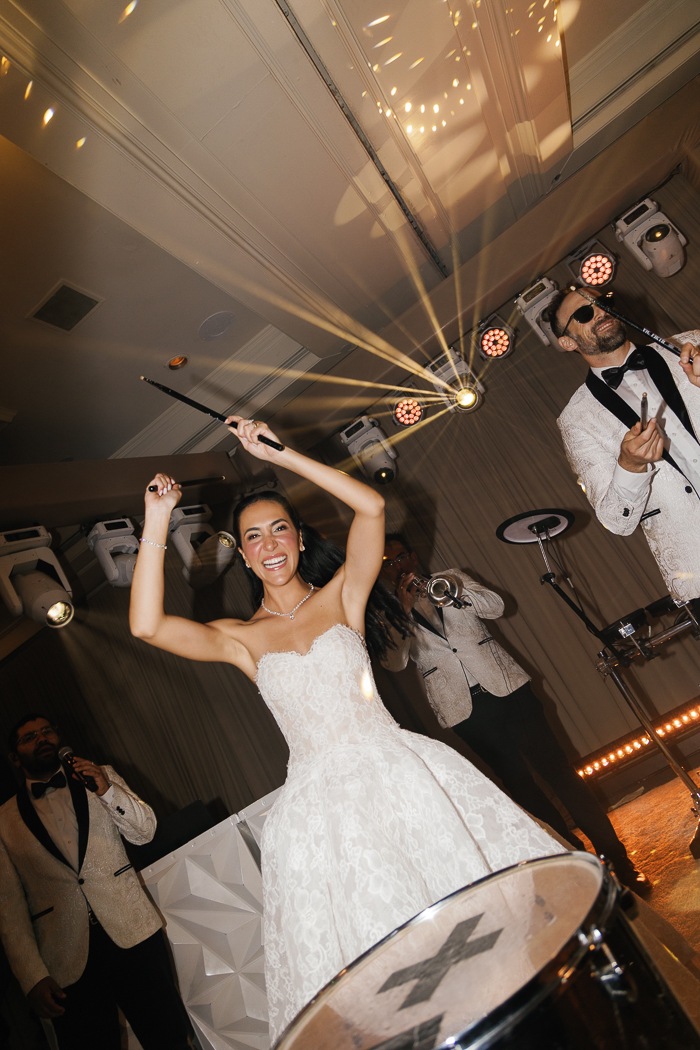
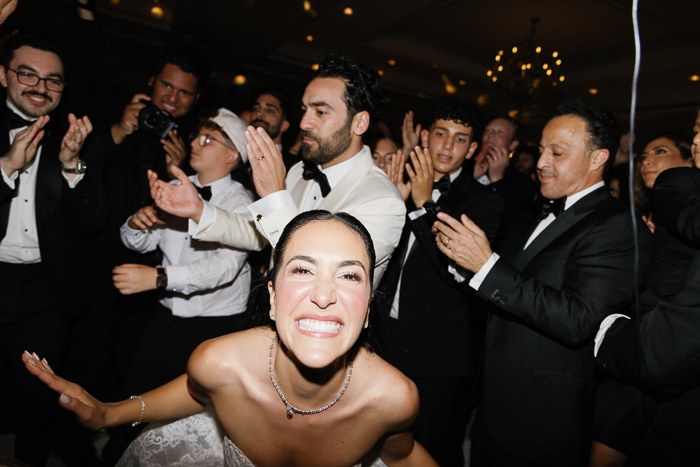
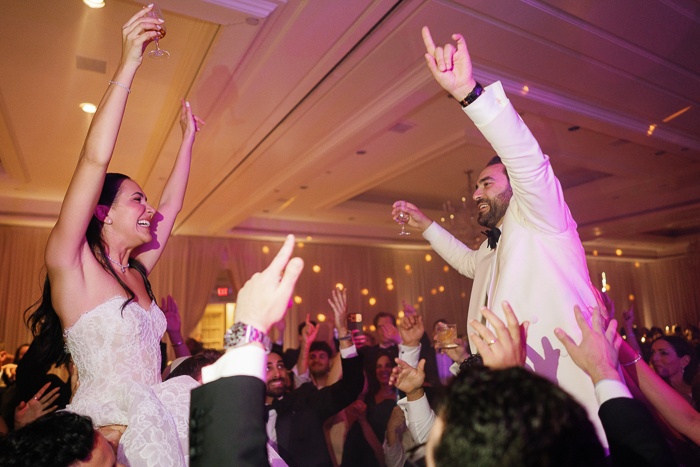
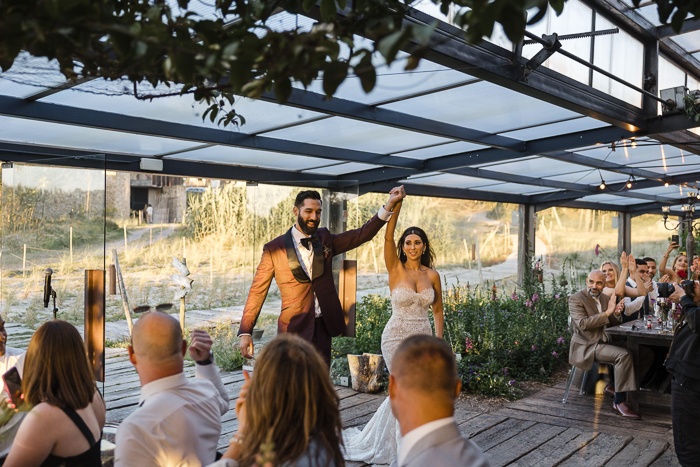
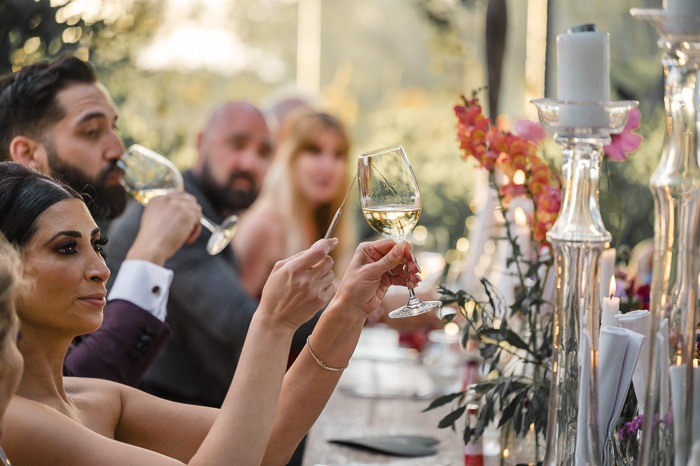
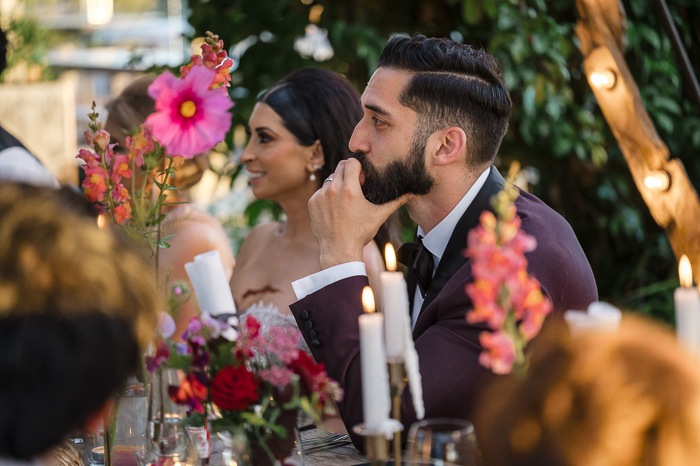
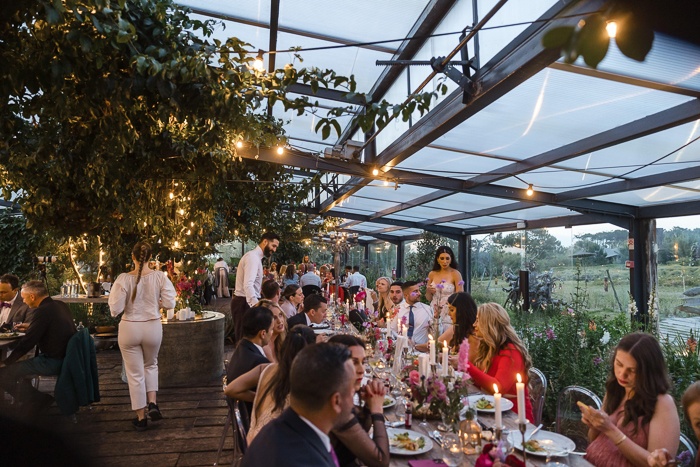
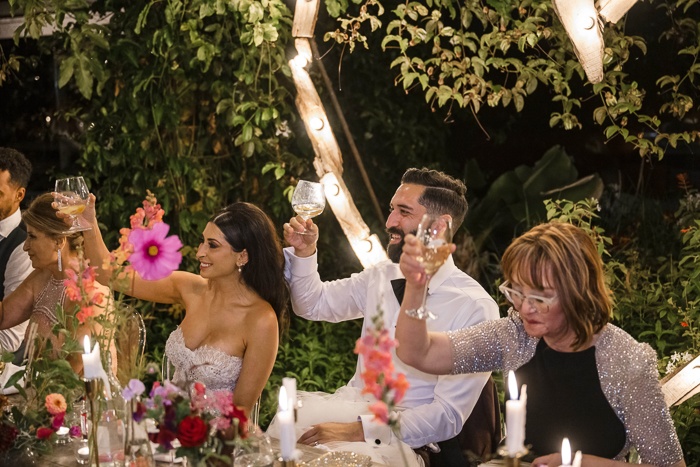
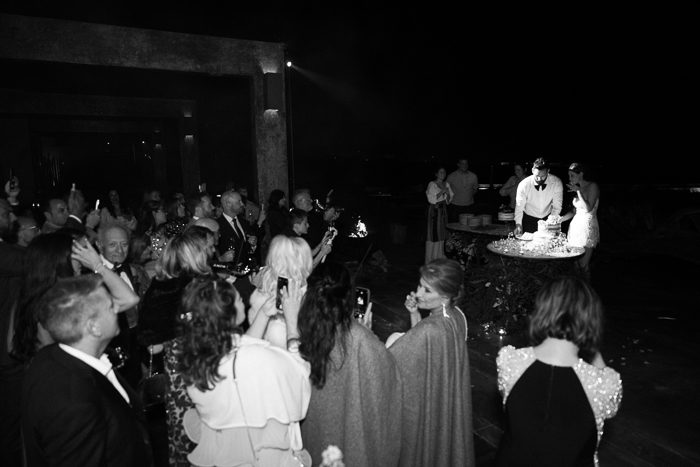
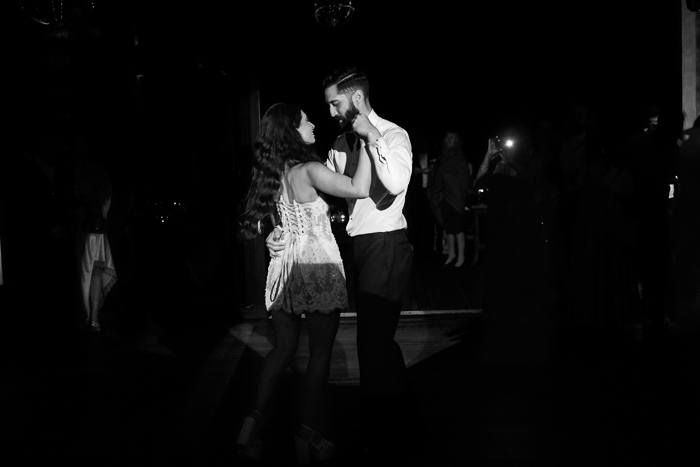
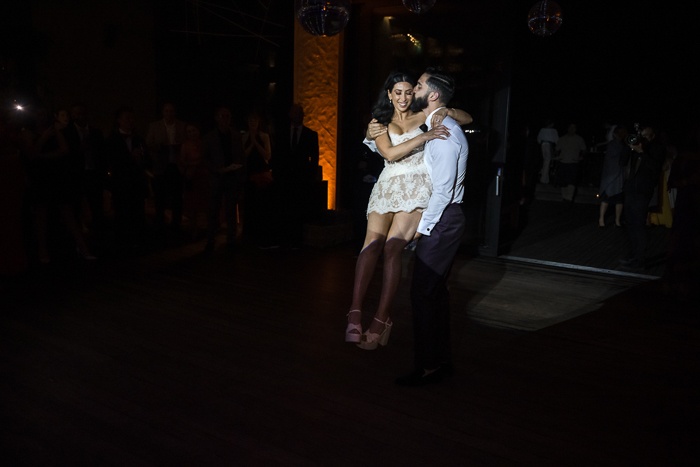
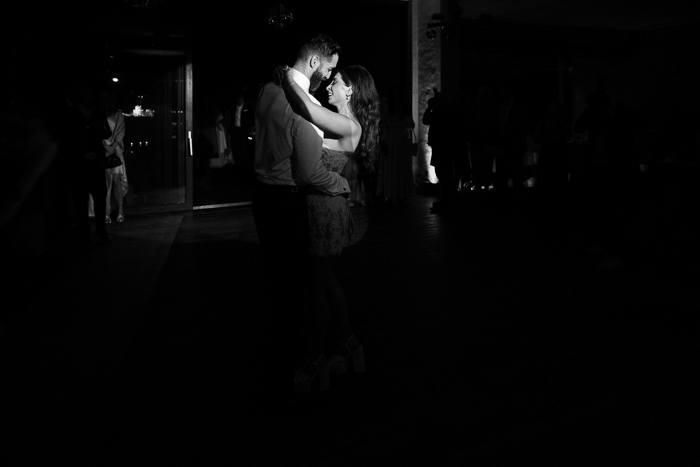
The people closest to Ariana and Michael remained a big part of the reception, with speeches from friends and family punctuating the evening. Then it was time to shift gears. The newlyweds entered to “Sarà perché ti amo,” the 1981 Italian pop song by Ricchi e Poveri, officially starting the party with a song that suited exactly where everyone had gathered.
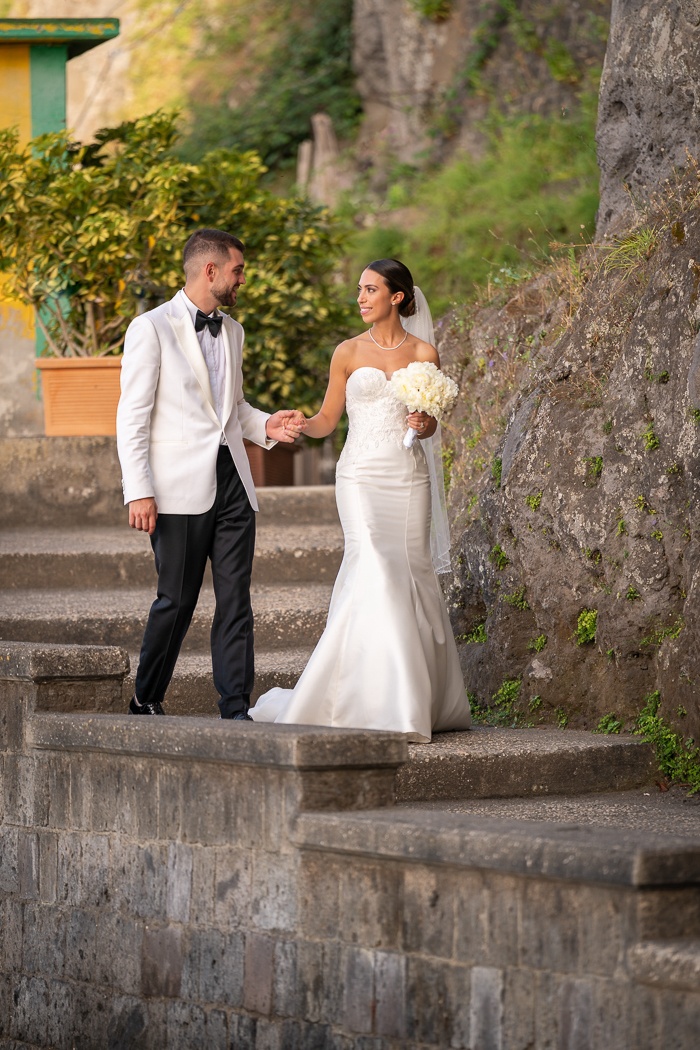
The biggest change of scenery, however, came later in the night. Once the clock passed midnight, the reception at Bellevue Syrene headed underground. Guests followed an ancient stone passage into the venue’s cave, a space carved directly into the rock beneath the property.
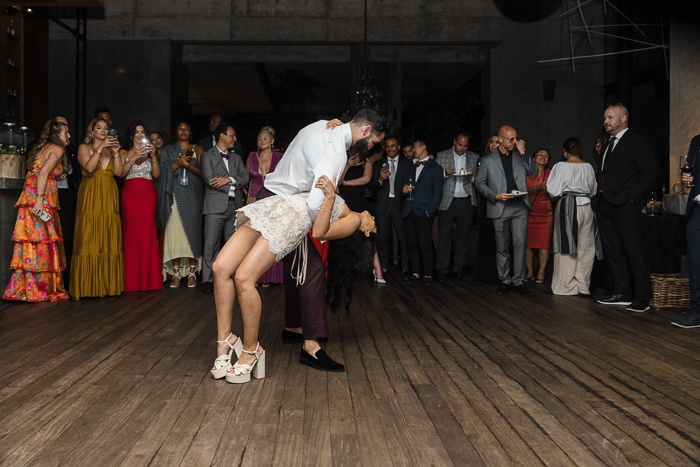
“There’s something magical about dancing in a space with that much history, tucked into the cliffside with the sea just beyond it,” the couple shared. They stayed there until the early morning. Months later, it is still the part of the wedding their guests bring up.
Their Advice: Be Present for the Wedding You Planned
Looking back, Ariana and Michael’s advice is less about a particular design choice or planning trick and more about remembering to actually enjoy the day once it arrives.
“Enjoy the process and enjoy the moment,” they said. “It goes by faster than you think, and it’s easy to get so caught up in details that you forget to actually be present for your own wedding.”
And for anyone still debating whether to ask their guests to make the trip, they’re considerably more decisive: “If you’re on the fence about a destination wedding, don’t think twice!”
The Wedding Team:
Photography – Gaetano Rossi
Venue – Bellevue Syrene Hotel
Live Music – Piero Aiena
Makeup + Hair Styling – Michelle D’Esposito













.jpg "Photographers")