Hi, we're
Junebug Weddings.
- World's most vetted wedding vendor directory
- Expert planning tips & creative wedding ideas
- Your inspired wedding, authentically you
Plan Your Cabo San Lucas Wedding: Vendors, Inspiration, & Expert Advice

Meet Cabo San Lucas’s Best Wedding Vendors


 High Quality Work
Excellent Reviews
Experience & Professionalism
Inclusivity
High Quality Work
Excellent Reviews
Experience & Professionalism
Inclusivity
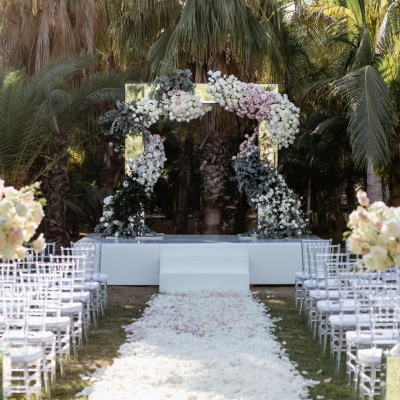
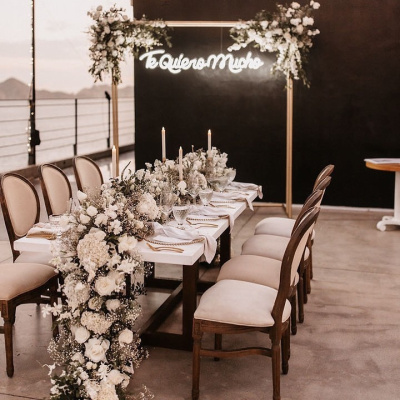
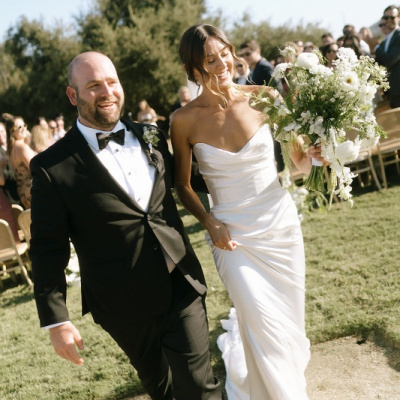
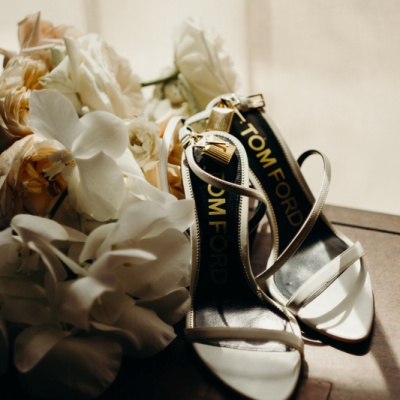
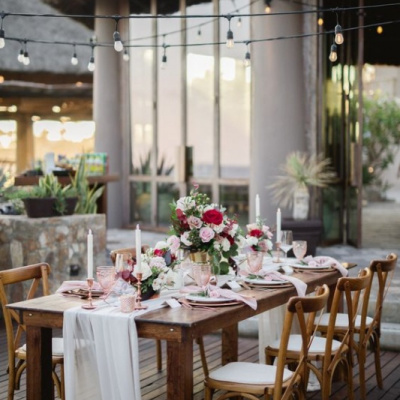
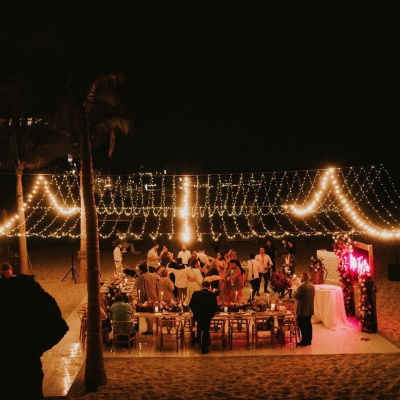
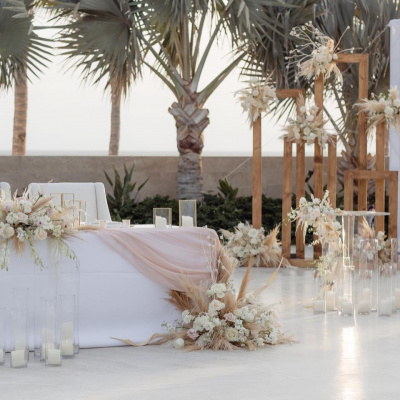
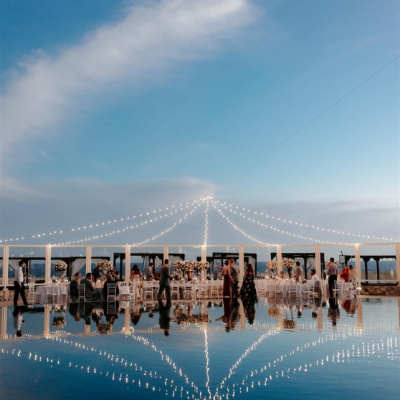
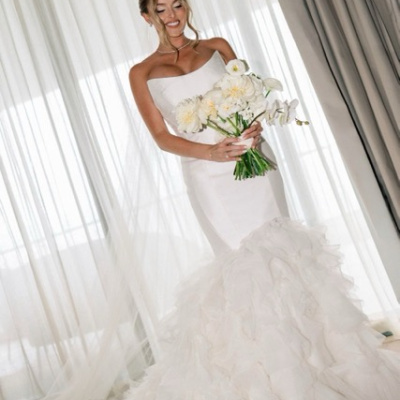
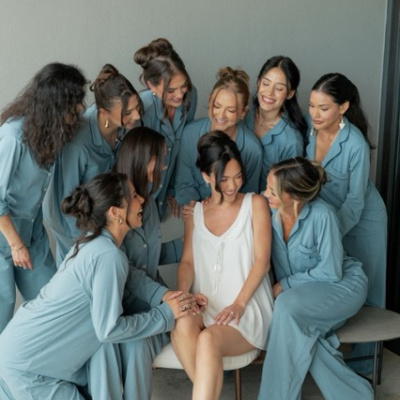
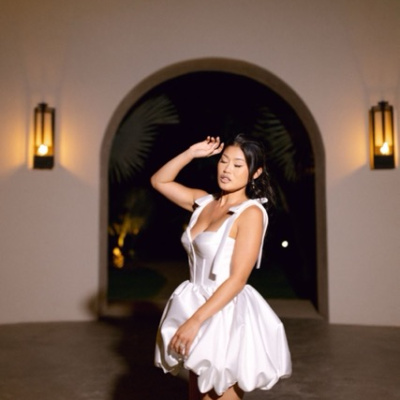
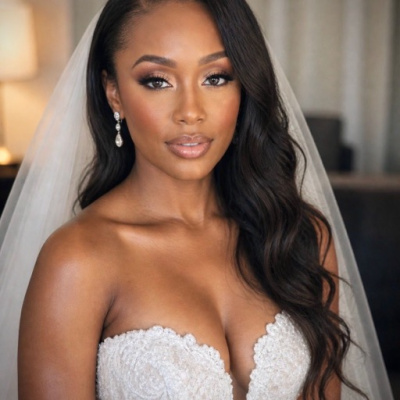
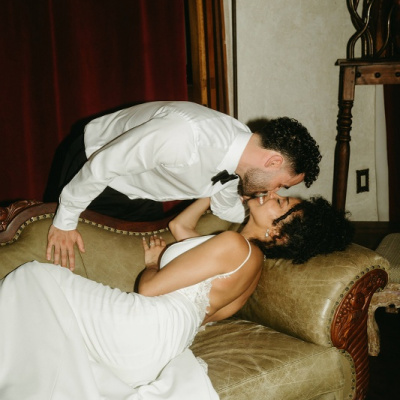
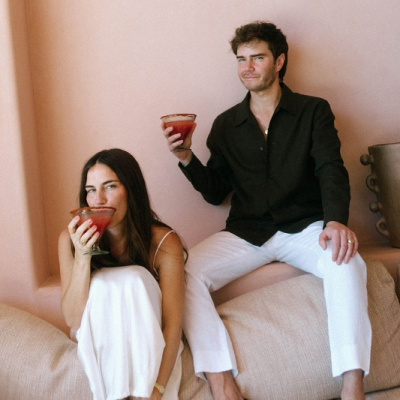
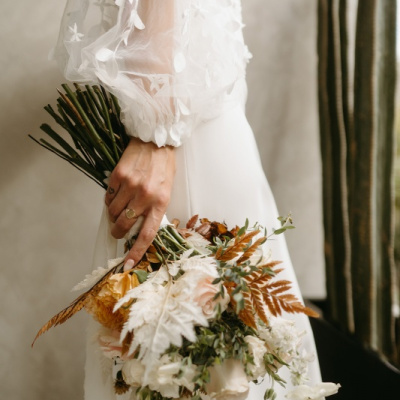
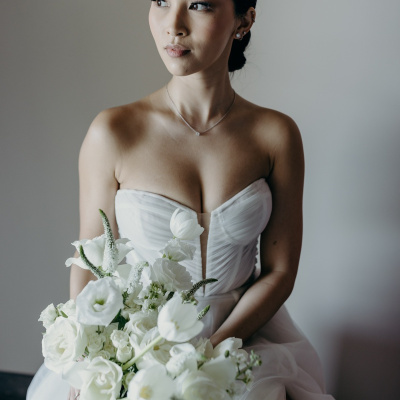
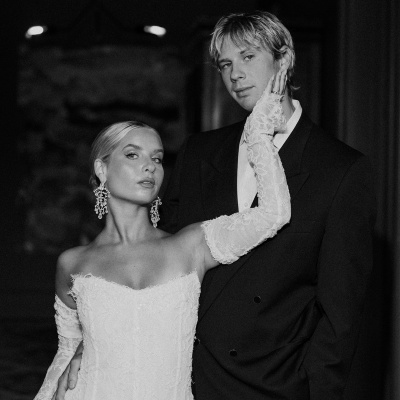
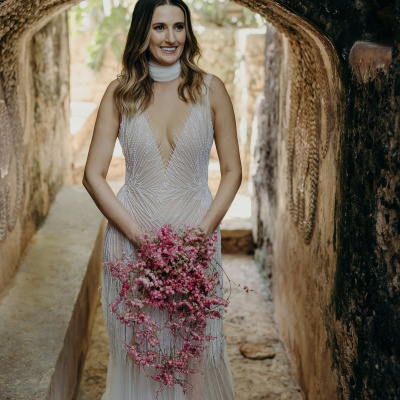
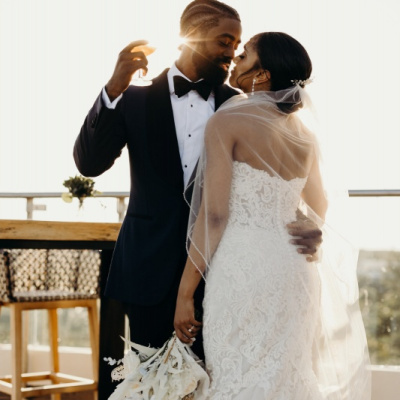
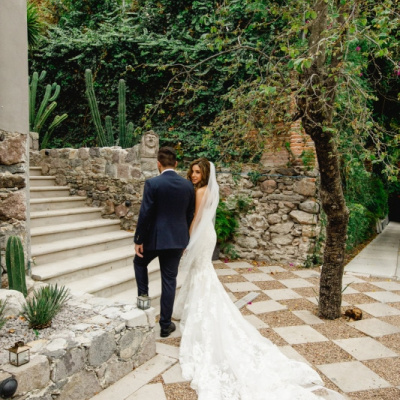
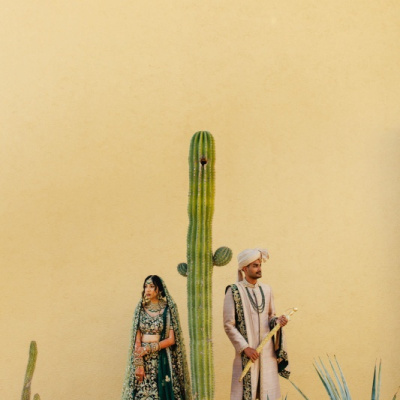
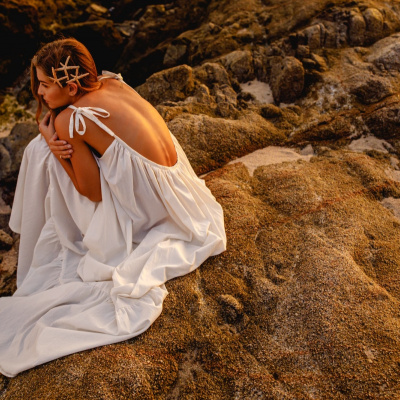
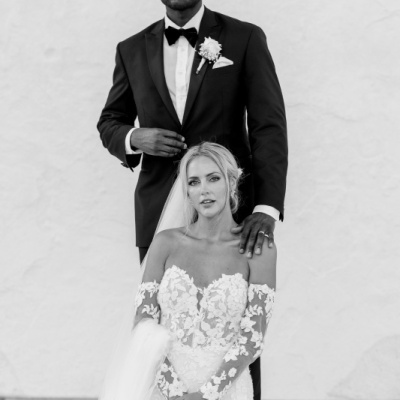
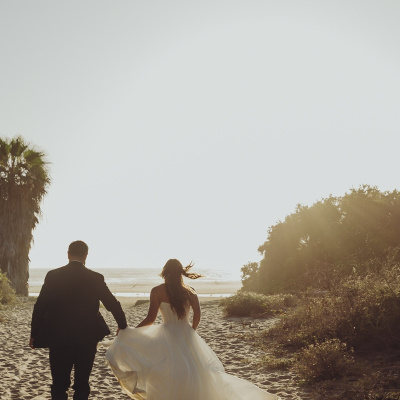
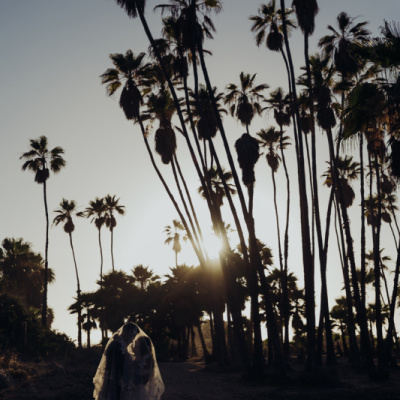
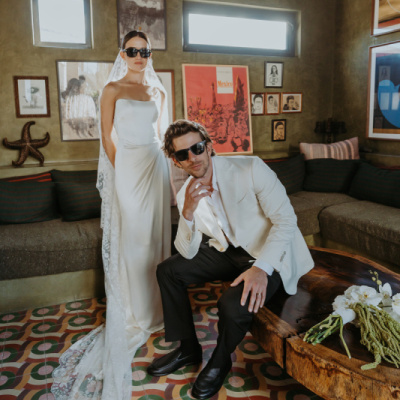
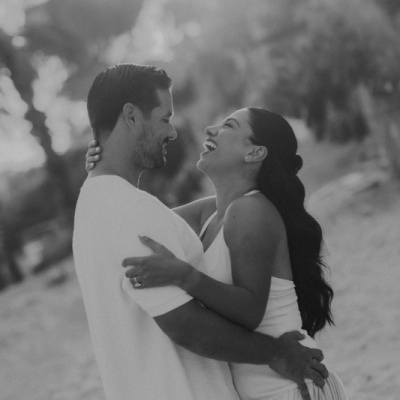
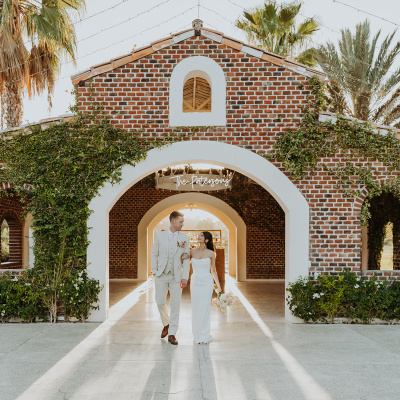
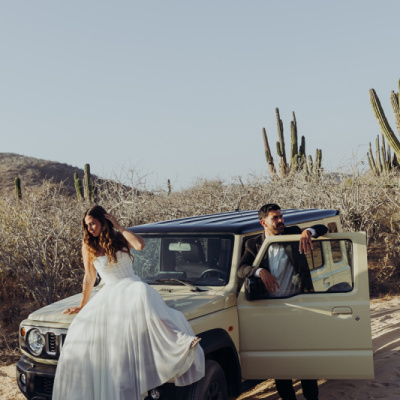
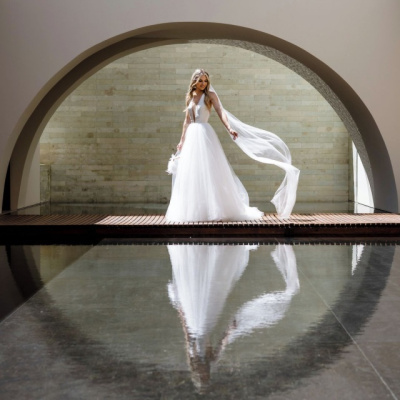
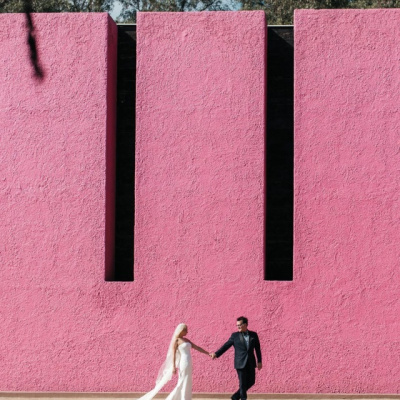
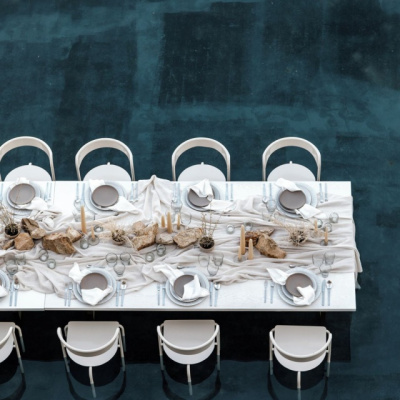
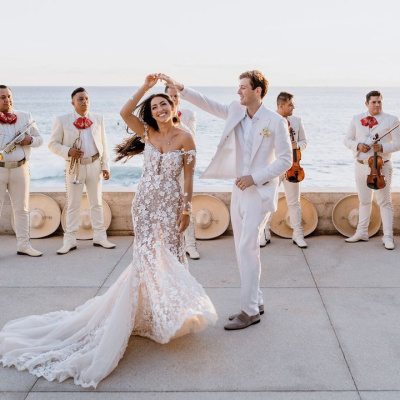
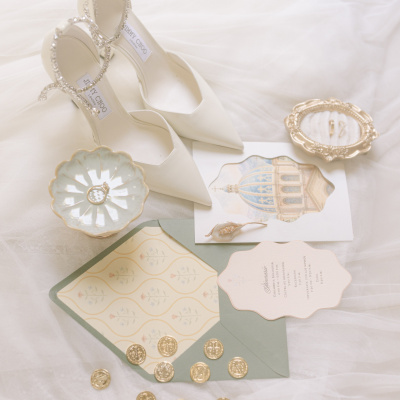
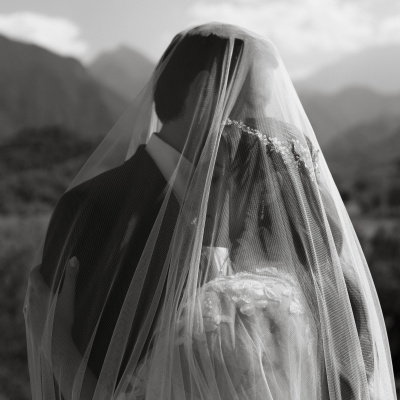
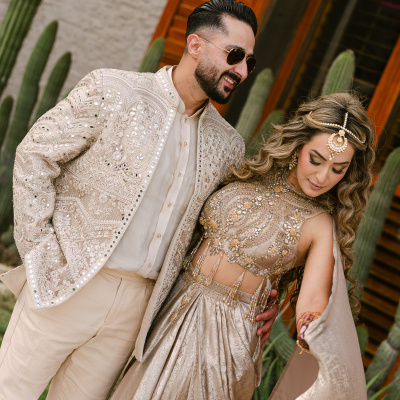
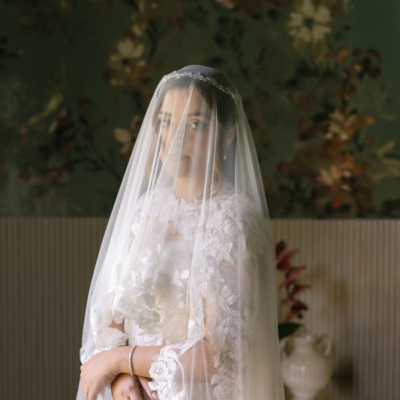
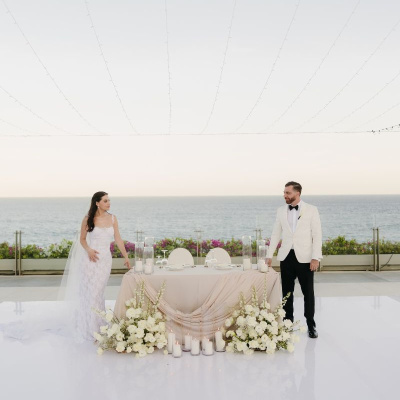
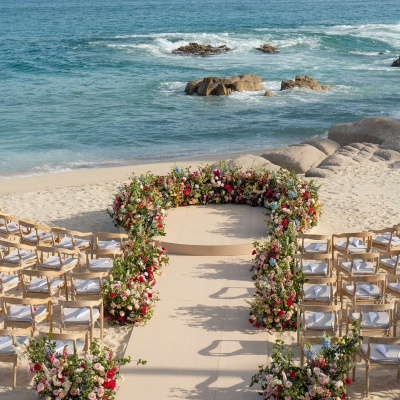
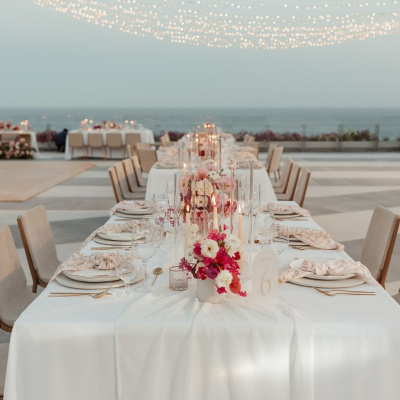
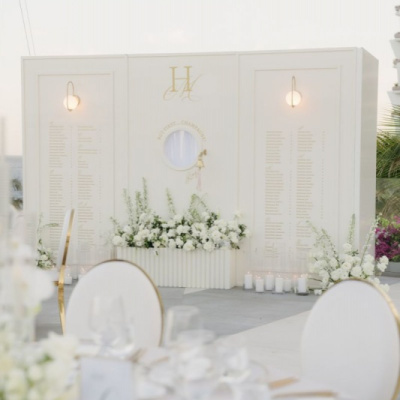
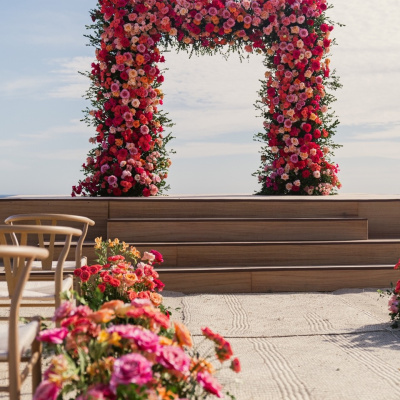
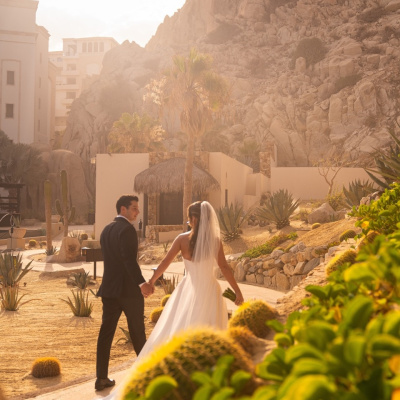
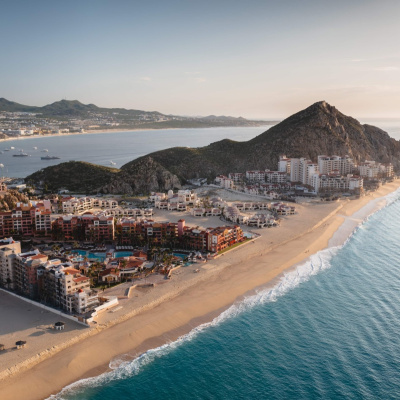
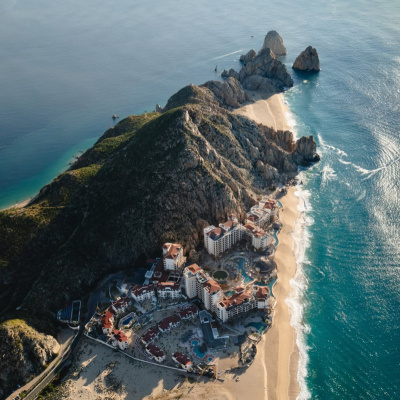
Cabo San Lucas Wedding Moodboard




Real Reviews
The Kape team was prompt with email responses and eager to meet and get to know how they could make our day special. They were great communicators and friendly. Being out of town clients, they really made us feel comfortable. Unfortunately, we did not get to book with them. However, we will be contacting them for a future engagement, and also recommending them to our friends and family.
Read More >MC Weddings exceeded every expectation we had for our wedding photos in Cabo. They captured our wedding at Chileno Bay in such a candid manner and I am excited to look back on the photos for years to come.
Read More >Dani and her team were absolutely incredible. We had two photographers and a content creator, and their talent completely blew us away. They captured our wedding day, a short engagement session, and part of our welcome party, and every photo is pure magic. My only regret is not hiring them for the full welcome party! Our guests and family couldn’t stop talking about how amazing they were. Dani created images we will cherish and OBSESS over for the rest of our lives.
Read More >WOW! thank you so much Mel and Fred. Working with you was an incredible experience. Thank you for your kindness, patience, and phenomenal skills. Our wedding photos turned out incredible! Having you photograph our wedding was hands down our best decision. These memories will last a lifetime and you captured them so well.
Read More >We had an amazing experience with the folks at Take it Photo. They were so kind, so flexible, and so much fun!! They never pressured us to be out of our comfort zone and captured shots so beautifully! We would highly recommend them. Their Instagram esthetic is to die for and was the main reason we decided to go with them for our wedding! Unfortunately, Lupe was unavailable for our wedding as they had another wedding at the same time. However, she literally made it a point to still come to our resort after the wedding to simply MEET us in person and congratulate us. It meant so much that she took the time to meet us even though she was not able to photograph our wedding It just shows how much they cared for every single one of their clients. During our events, they did their best to "blend in" and capture amazing shots of us and our guests without any issue. I would hire them again if I could!!
Read More >


Real Reviews
Working with Cabo Studio was an absolute dream! From the moment we arrived, the vibes were amazing, and we felt completely comfortable throughout the shoot. They are incredibly genuine, fun, and easy to work with. It felt like we were hanging out with friends for an afternoon. Not only was the process smooth and stress-free, but the results were truly stunning. Their talent and attention to detail shine through in every shot. If you’re looking for photographers who are both skilled and an absolute pleasure to work with, Cabo Studio is the way to go. Highly recommend!
Read More >From the very beginning of the process, the team was absolutely incredible. They were engaged, thoughtful, and communicated effectively with me throughout the entire planning journey. They took the time to truly understand my vision and made certain every detail was clear so they could capture it perfectly—and they absolutely did on the day of our wedding! Karla and Lily, the two photographers on our team, were exceptional in every way. Their talent is undeniable—each photo feels like art—but what stood out just as much was their kindness and authenticity. They are such genuine souls who made me feel so comfortable, open, and beautiful in front of the camera. Their warm personalities made the experience not only seamless but truly enjoyable. I can’t thank EFEGE enough for the endless memories their team preserved so beautifully. Every image tells a story, and I will cherish their work for a lifetime. I would recommend them wholeheartedly to any bride looking for photographers who not only have an incredible eye for detail but also bring so much heart into their craft!
Read More >I would not trust anyone else to do the job she does. She is artistic, beautiful, and someone you want to be around! She kept me calm, she let my guest go wild, she had amazing fun ideas! She captured everything for what it was, romantic, fun, dramatic, crazy, and beautiful. I wouldn’t recommend anyone more!
Read More >Talia and her team photographed and filmed our wedding weekend, and when I say we are BLOWN AWAY by the quality and attention to detail in every picture, I truly mean it! She was one of the easiest decisions we made for our wedding, and we would choose her over and over again. Talia makes it a priority to truly understand your vision and what is most important to you to have captured on your big day. She is so personable, and she and her entire team make you feel incredibly comfortable throughout the whole day. We have absolutely no regrets and could not be happier with how every picture turned out. If you’re looking for a sign to book Talia and her team for one of the most important days of your life, THIS IS IT. I promise you won’t regret it!
Read More >
Real Reviews
There aren’t enough nice things I could ever say about Maggie and the SOS team. 5 months before my wedding, I had to unexpectedly find a new planner after still having almost no vendors booked. SOS swooped in and didn’t only save the day, they were a highlight of the whole planning process for me. Every vendor they recommended was phenomenal, and we threw a party for the ages. People 4 months later are still talking about it. The day of, they had a whole team manning every single detail. Things we hadn’t even planned for or discussed, like a change of shirt for my husband when he sweat through it, and ceremony fans for our guests. They planned all our budgets and tracked all payments — the often confusing international planning can be overwhelming and they helped immensely. I STRONGLY recommend hiring a local team like SOS, their connections and inside-scoop on Riviera Maya was necessary. One of my guests was so blown away by the wedding and their team, she’s now hired SOS for her own wedding next year in Cabo. I don’t know that you could think of a better testimony than that. The wedding they put together for me at Saasil Kantenah was STUNNING, and they understood my vision completely. But maybe most importantly, they were so fun to work with, so kind, incredibly thoughtful, organized and responsive. I’m so, so lucky I found them!!!
Read More >If you're planning your wedding in Mexico (or anywhere), look no further and hire Lupita and Joe! From the beginning of the planning process, we knew that we made the right decision to trust their vision and execution on our special day. Lupita and Joe were beyond amazing to work with - extremely organized, creative and payed attention to all of the little details. We can't thank them enough for treating our welcome party + wedding day with such care. Our friends and family can't stop raving about how our wedding was the best they had ever been to.
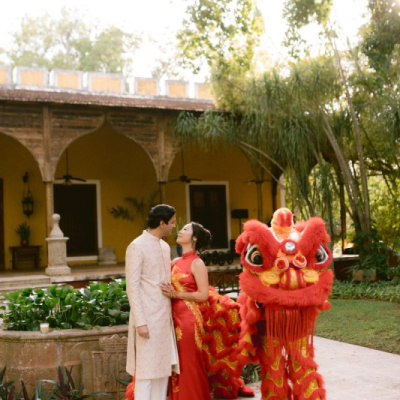
Read More >If I could give them 10 stars, I would!!! Hiring Pride Maya was literally the best decision I made for our wedding! Emily and Lorenzo were so incredible to work with. They helped me maximize my budget, negotiate great prices with all of my vendors, and get creative on how to best utilize every aspect of our multi-day wedding weekend. They were the ones who recommended almost every vendor we ended up using and every single one was incredible. They were super responsive and helped me get answers from my venue when the hotel wasn't answering my emails -- they were the boots on the ground that I needed planning a destination Indian-American fusion wedding! The wedding went so smoothly thanks to their attention to detail and seamless coordination. I seriously cannot recommend them enough. If you're looking for an incredible team to work with that will make your wedding day as stress-free and beautiful as your wildest dreams, HIRE PRIDE MAYA WEDDINGS!!!
Read More >WOW!!! I am absolutely in awe. We are so happy we found Francesco & Giuseppe. They truly captured not just how our wedding looked, but exactly how it felt. Pink Balance was hands down the best decision we made for our wedding. They made us feel so comfortable in front of the camera, and their energy and personalities were absolutely infectious. By the end of the night, we were genuinely sad to see them go. Thank you both for your incredible talent, your energy, and for giving us something we’ll treasure forever!!
Read More >
Real Reviews
Sina provided wonderful support during the planning and on our wedding day itself! She was always available and encouraged our wishes and ideas. Our wedding remains an unforgettable day, and our guests, as well as ourselves, were able to relax and enjoy the celebration! Thank you, Sina, for your support, and we wish you all the best for your future! Warmest regards from Switzerland
Read More >