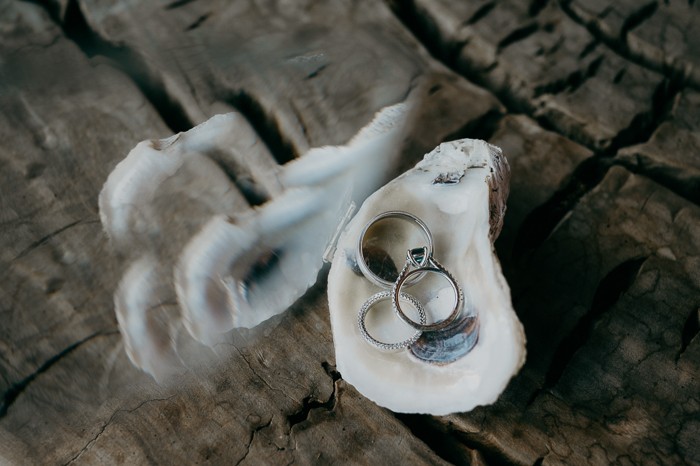
You’ll make plenty of purchases for your wedding that are meant for one day. Your wedding ring is different: chances are, it’ll become part of what you wear every day. That makes finding something you love important, but so is choosing a ring that actually works with your life.
Before getting caught up in metals, diamonds, widths, and finishes, think about how you’ll actually wear your ring. Will it sit next to an engagement ring or be worn alone? Do you work with your hands? Do you want something you rarely have to think about, or are you comfortable with a ring that needs a little more care?
This wedding ring guide covers what to consider before you buy, starting with your lifestyle and budget before getting into metals, styles, fit, engagement ring pairings, and more.
Start With How You’ll Wear Your Wedding Ring
Before choosing a metal or style, think about what your wedding ring needs to do in everyday life. If you plan to wear it next to an engagement ring, the two rings will need to sit comfortably together. If your wedding band will be worn alone, you might prefer a wider band or a design with more visual detail.
Your routine matters, too. If you work frequently with your hands, a smooth, low-profile band may be easier to wear than raised stones or intricate details that can catch. And if you exercise, work with machinery, or regularly do activities where wearing a ring could be uncomfortable or unsafe, consider whether you’re happy removing it when needed.
Starting with the practical stuff may not be as exciting as looking at rings, but it can quickly narrow down which options make sense for you.
Set Your Wedding Ring Budget
Wedding rings can range from a few hundred dollars to several thousand, depending on the metal, width, stones, craftsmanship, and whether the design is custom. A simple gold band will generally cost less than a platinum ring or one set with diamonds. Wider bands use more metal, while full eternity designs, larger or higher-quality stones, intricate detailing, and custom work can all increase the price.
There’s no amount you’re supposed to spend on wedding rings. Decide what you’re comfortable allocating from your overall wedding budget, then think about which features matter most to you. Having a range in mind before you start shopping can also make it easier to compare your options without getting distracted by rings well outside it.
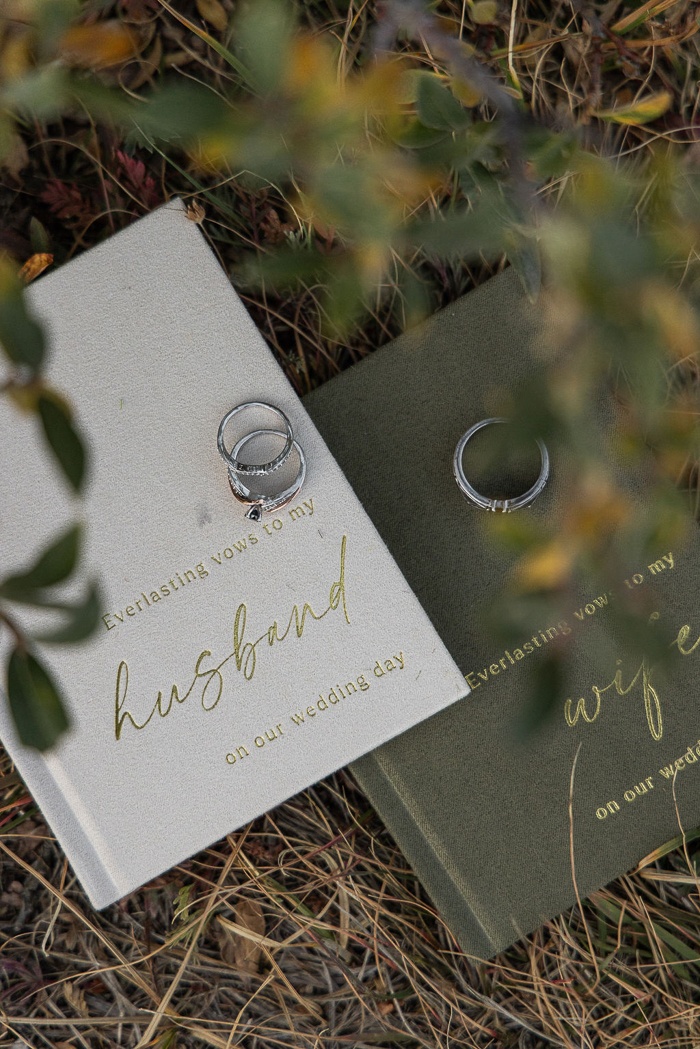
Choose Your Wedding Ring Metal
Once you know how you’ll wear your ring and what you’re comfortable spending, you can start narrowing down your metal options.
Yellow Gold
Yellow gold has the warm appearance most associated with traditional gold jewelry. It’s commonly available in 14k and 18k gold. Of the two, 14k contains a lower percentage of pure gold and is generally more resistant to everyday wear, while 18k contains more pure gold and typically has a richer gold color.
White Gold
White gold offers a bright white-metal look and typically costs less than platinum. Most white gold jewelry is rhodium plated to create that bright finish, which means it may need to be replated periodically as the surface wears.
Rose Gold
Rose gold gets its pink or blush tone from the metals alloyed with gold, particularly copper. It’s a good option if you prefer warmer jewelry but want something a little different from traditional yellow gold.
Platinum
Platinum is naturally white, dense, and durable. It generally comes at a higher price than gold and can develop a patina with wear. Some people like that softer, lived-in finish, while others choose to have their rings professionally polished.
Alternative Metals
Titanium, tungsten, tantalum, and other alternative metals are also used for wedding bands and can offer different combinations of weight, durability, appearance, and price. One thing to check before buying is whether the particular metal can be resized, as some alternative-metal rings can’t be resized conventionally.
Find Your Wedding Ring Style
With your metal narrowed down, you can get into the fun part: deciding what you actually want your ring to look like. Wedding bands come in plenty of variations, but these are some of the styles you’ll see most often.
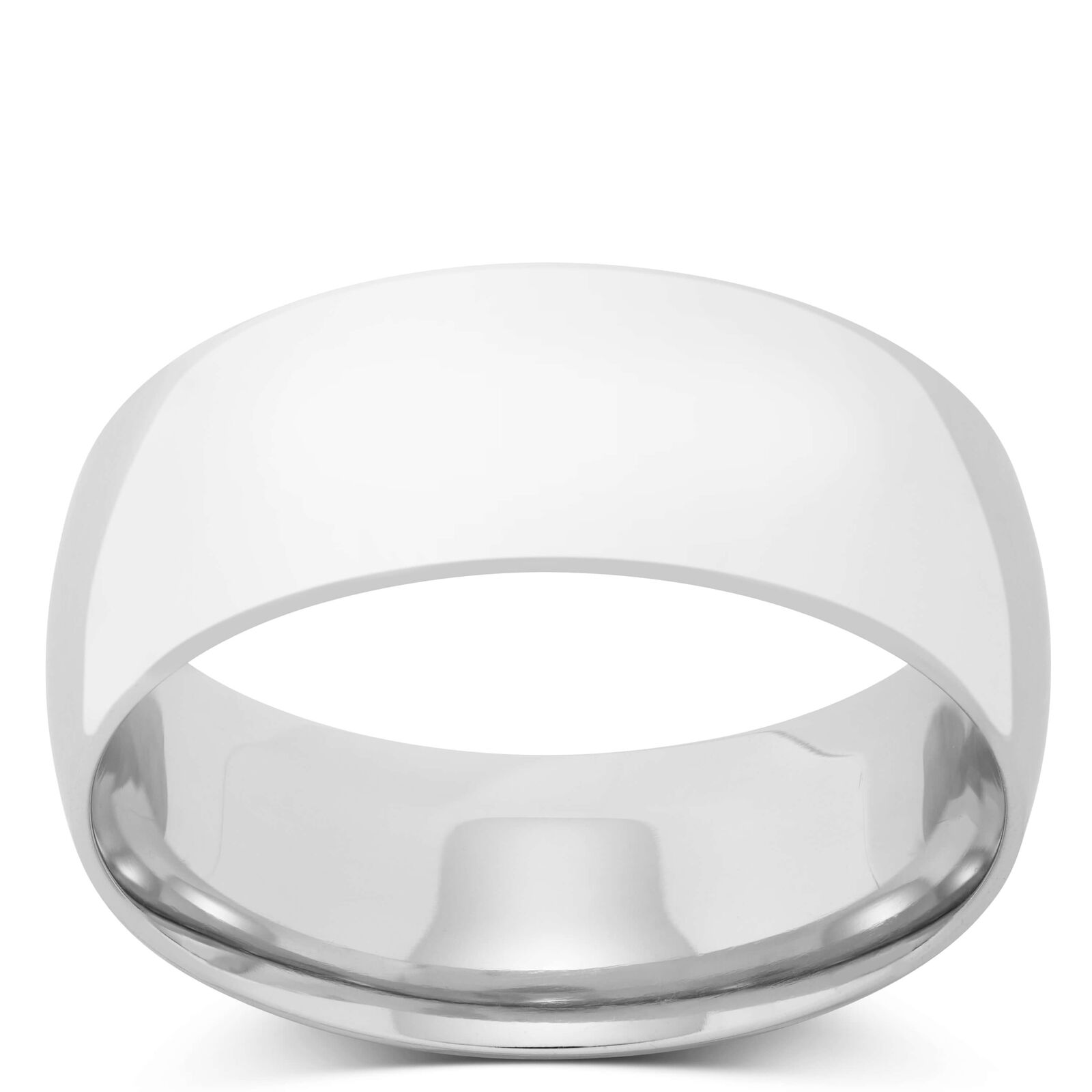
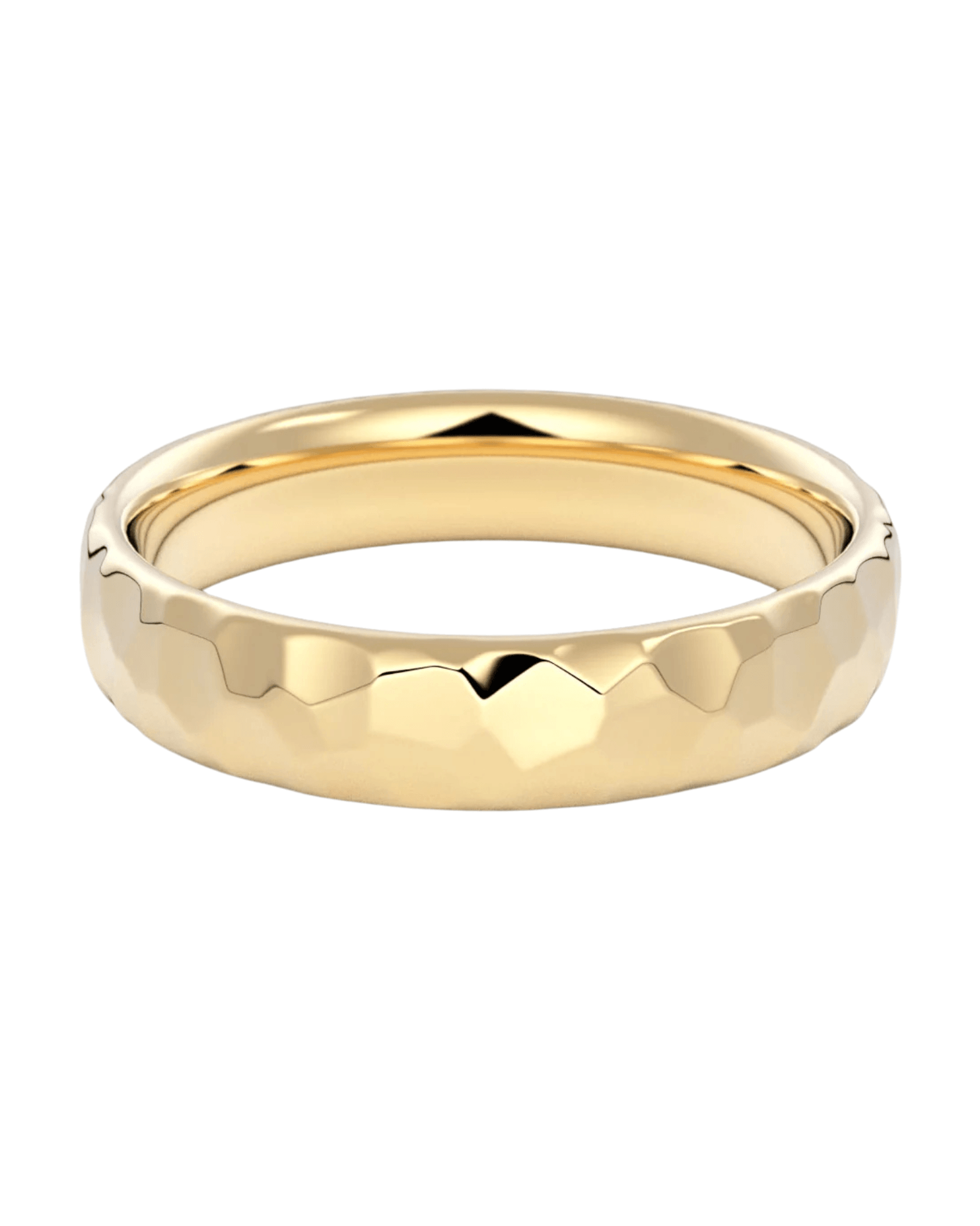
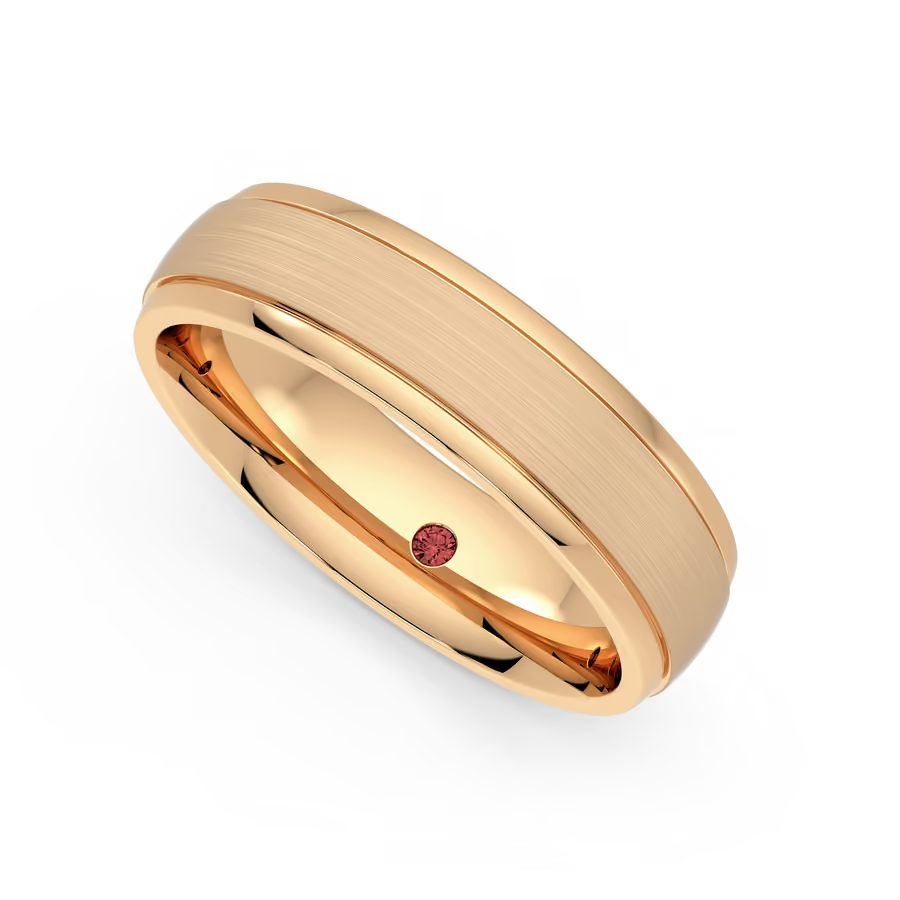
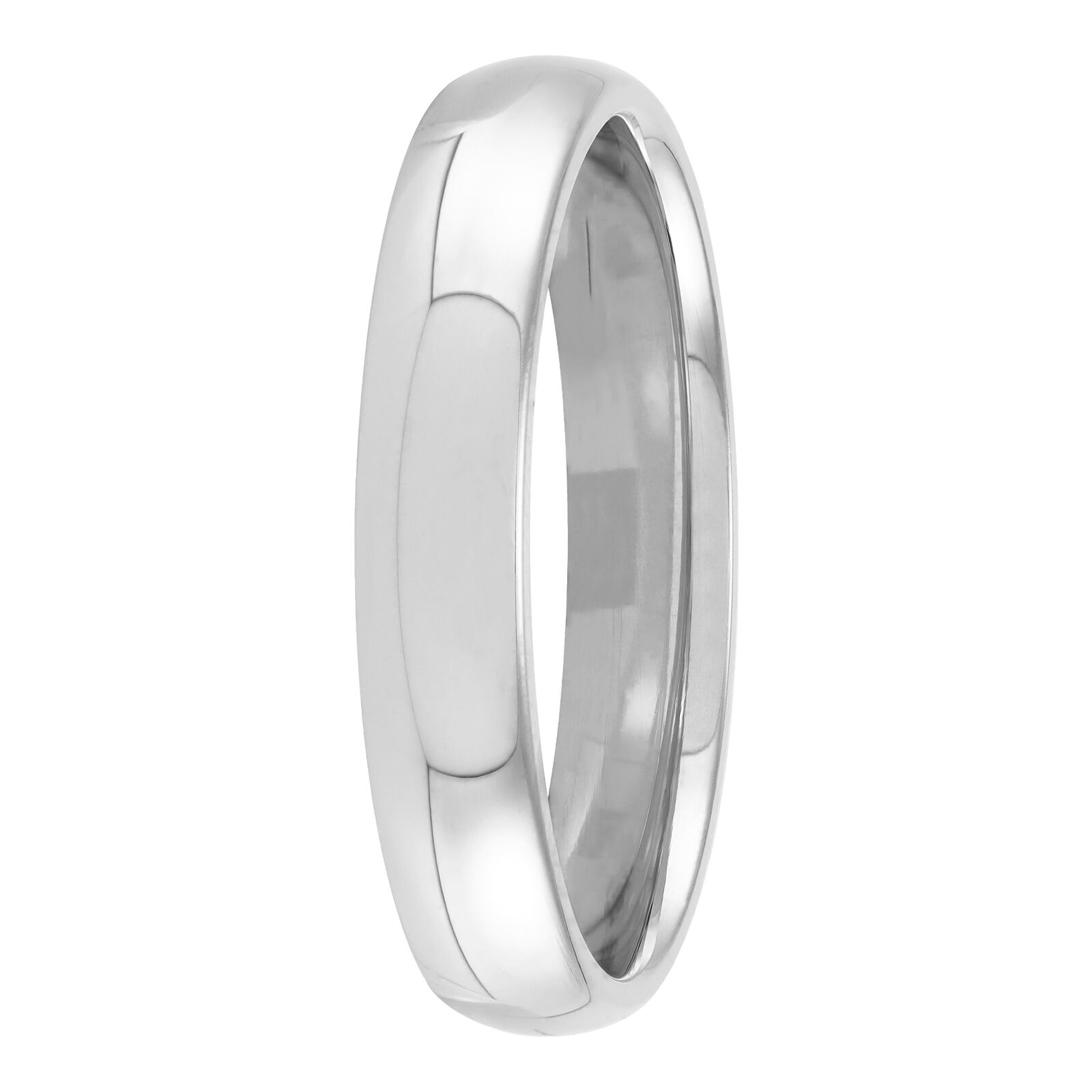
Classic bands are simple metal rings without stones, with the width, profile, and finish defining the look. They can be polished for more shine or given a brushed, matte, hammered, or other textured finish.
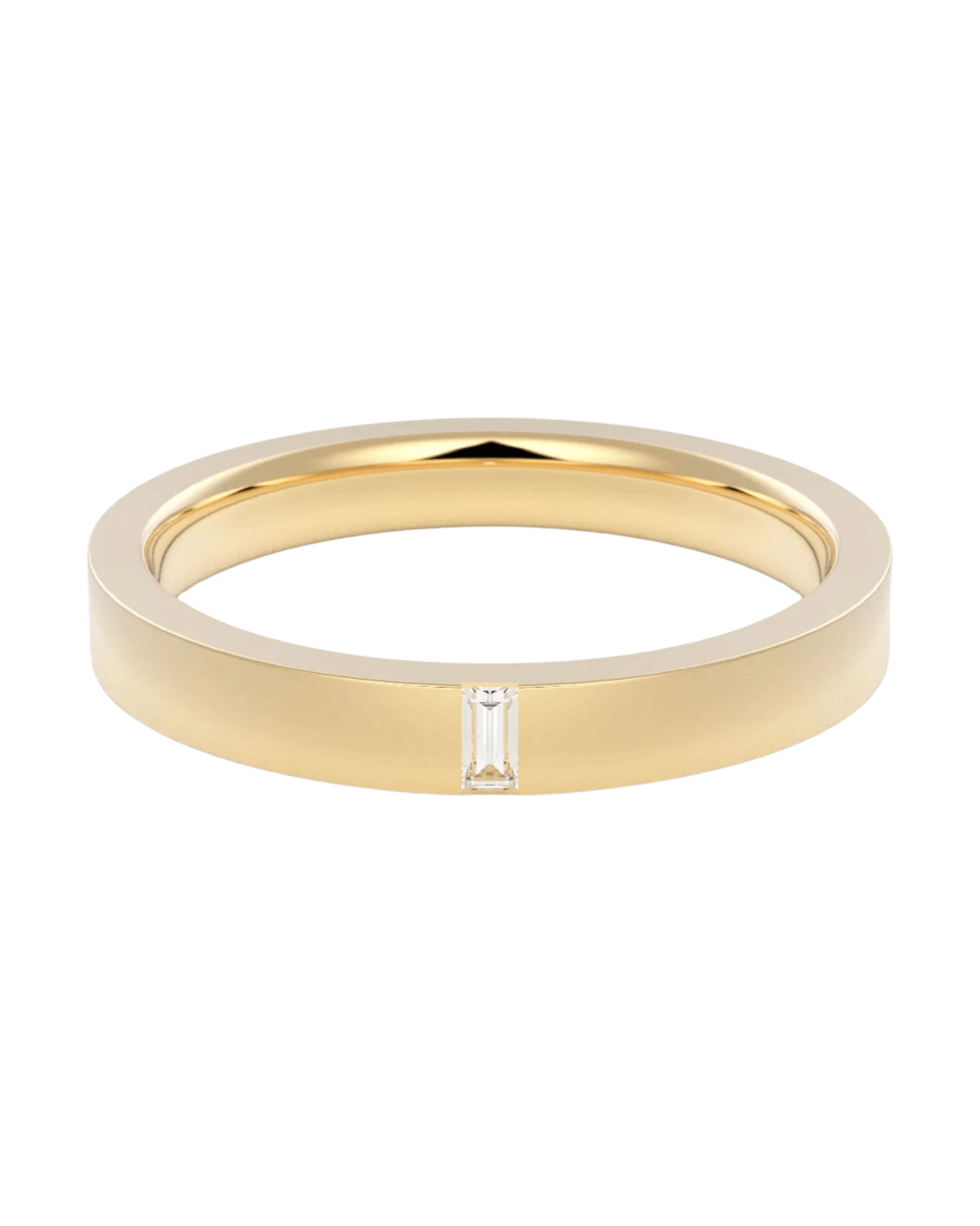
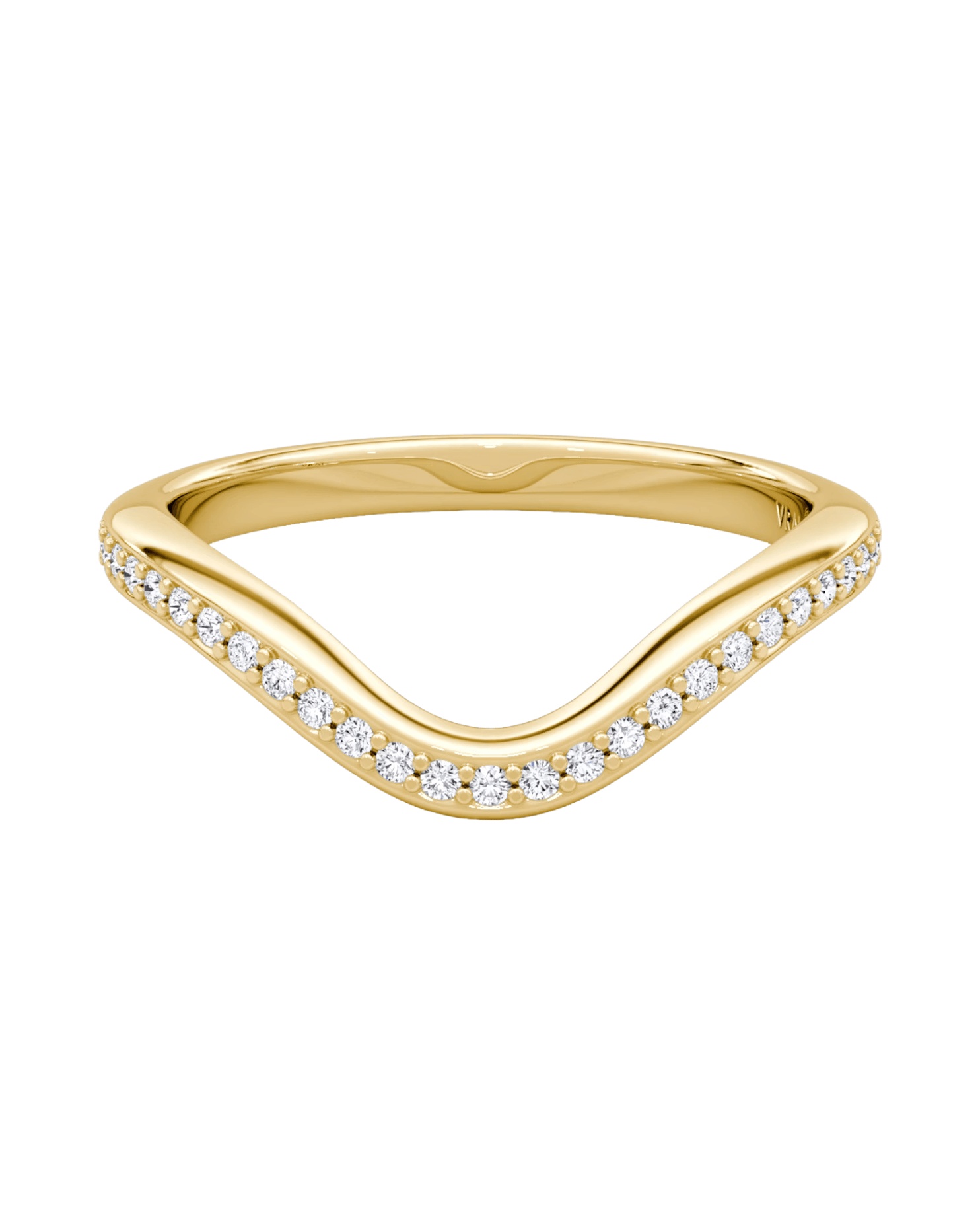
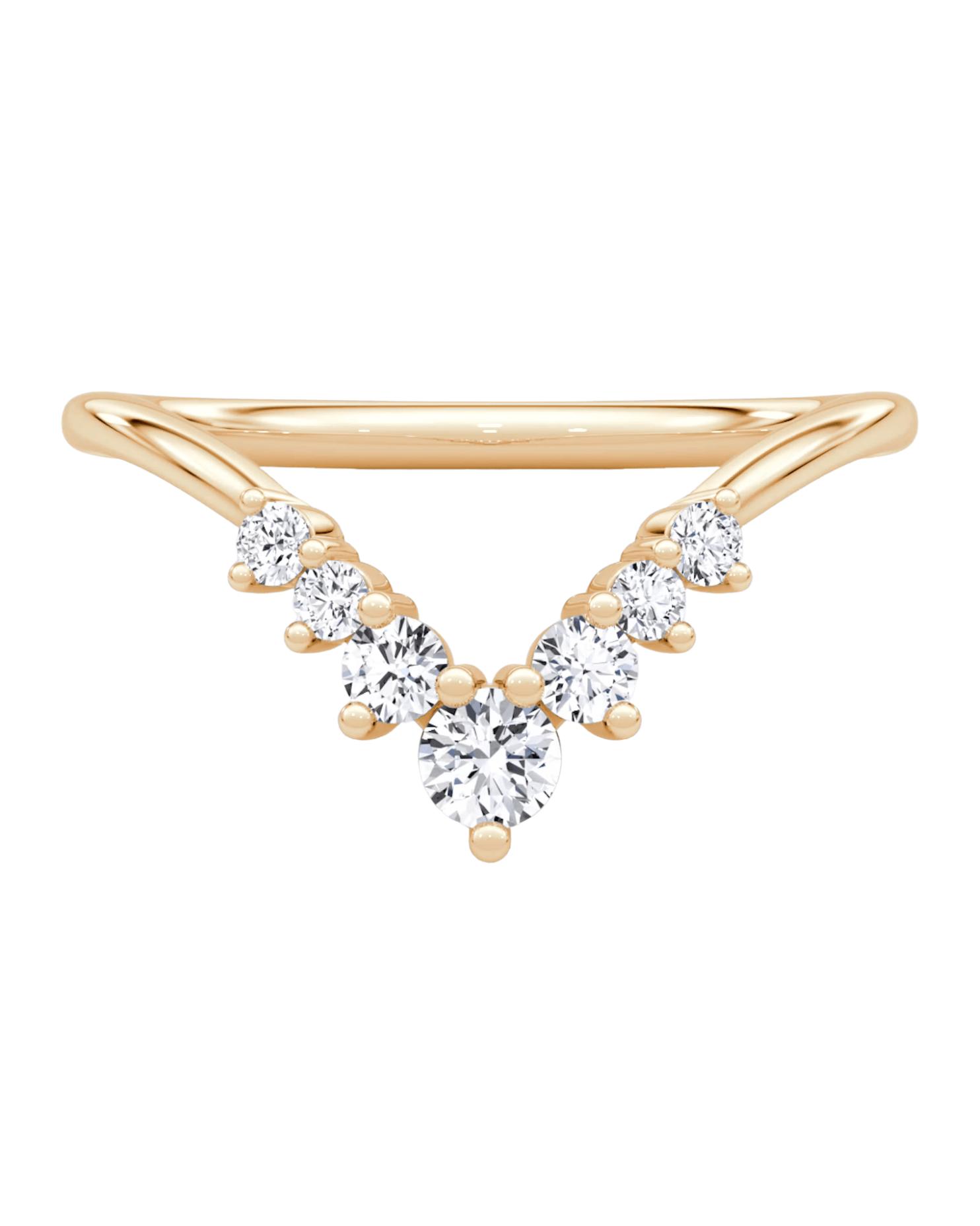
Diamond bands add stones across part or all of the ring. The look can vary considerably depending on the setting, from delicate pavé diamonds to channel-set or shared-prong designs.
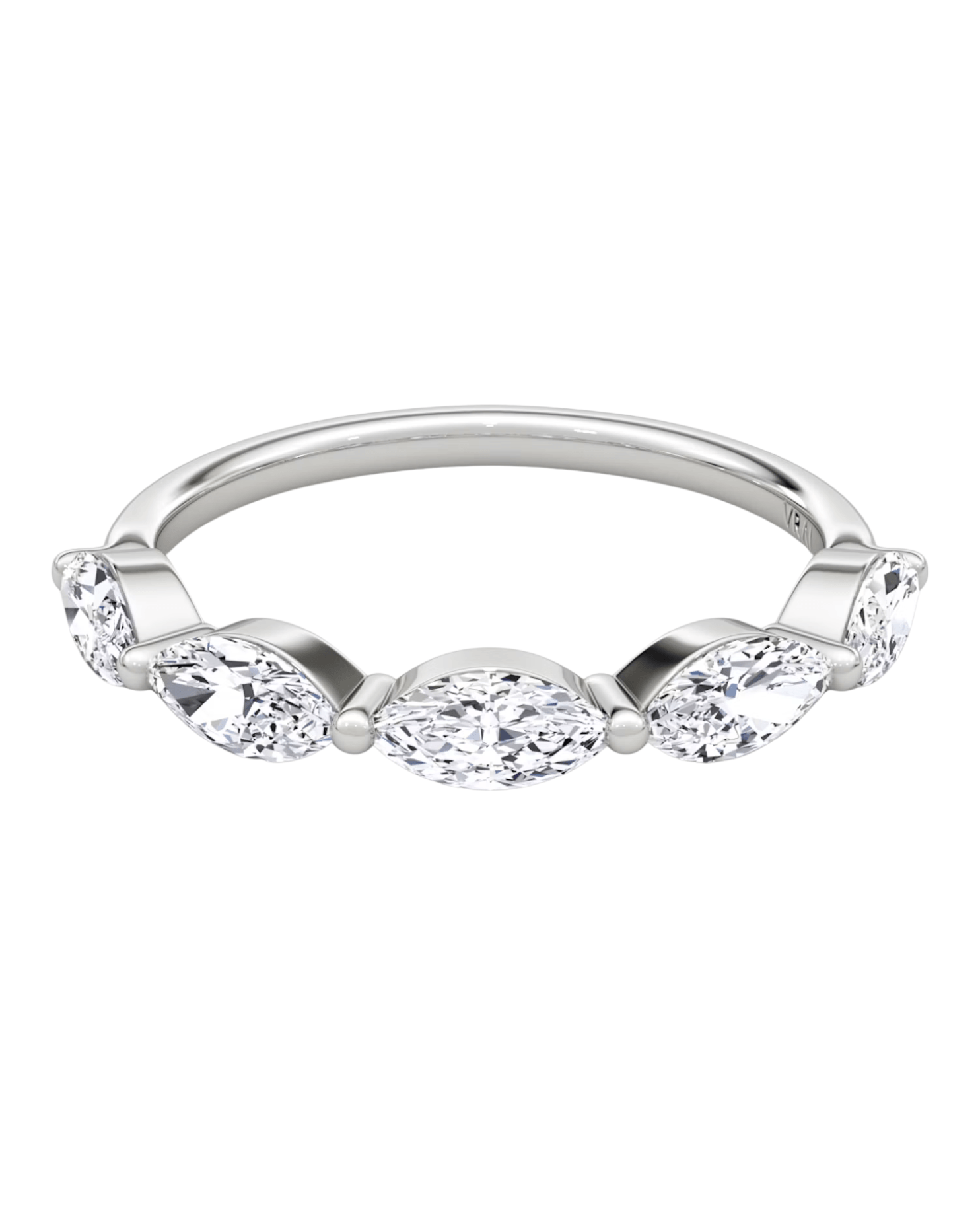
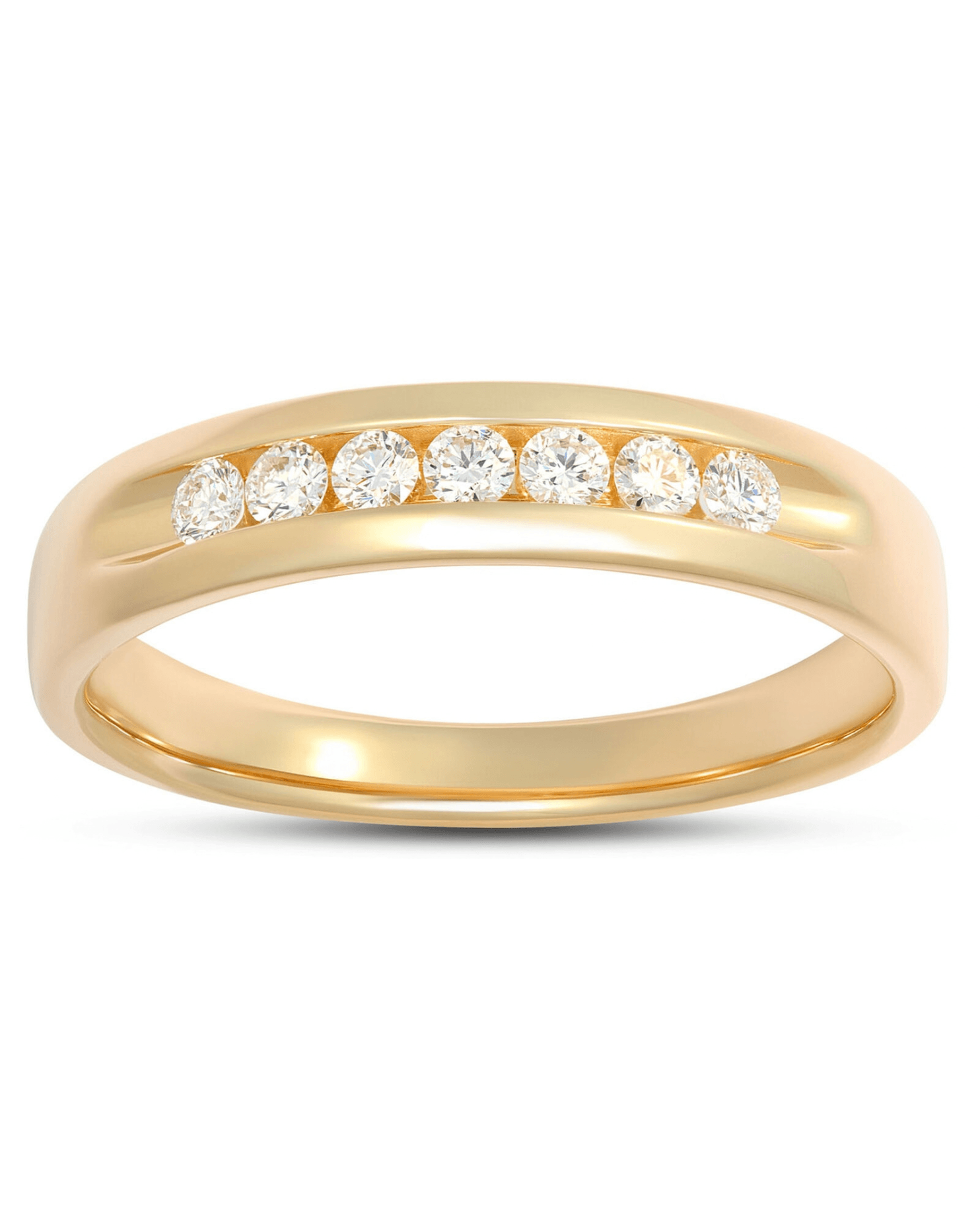
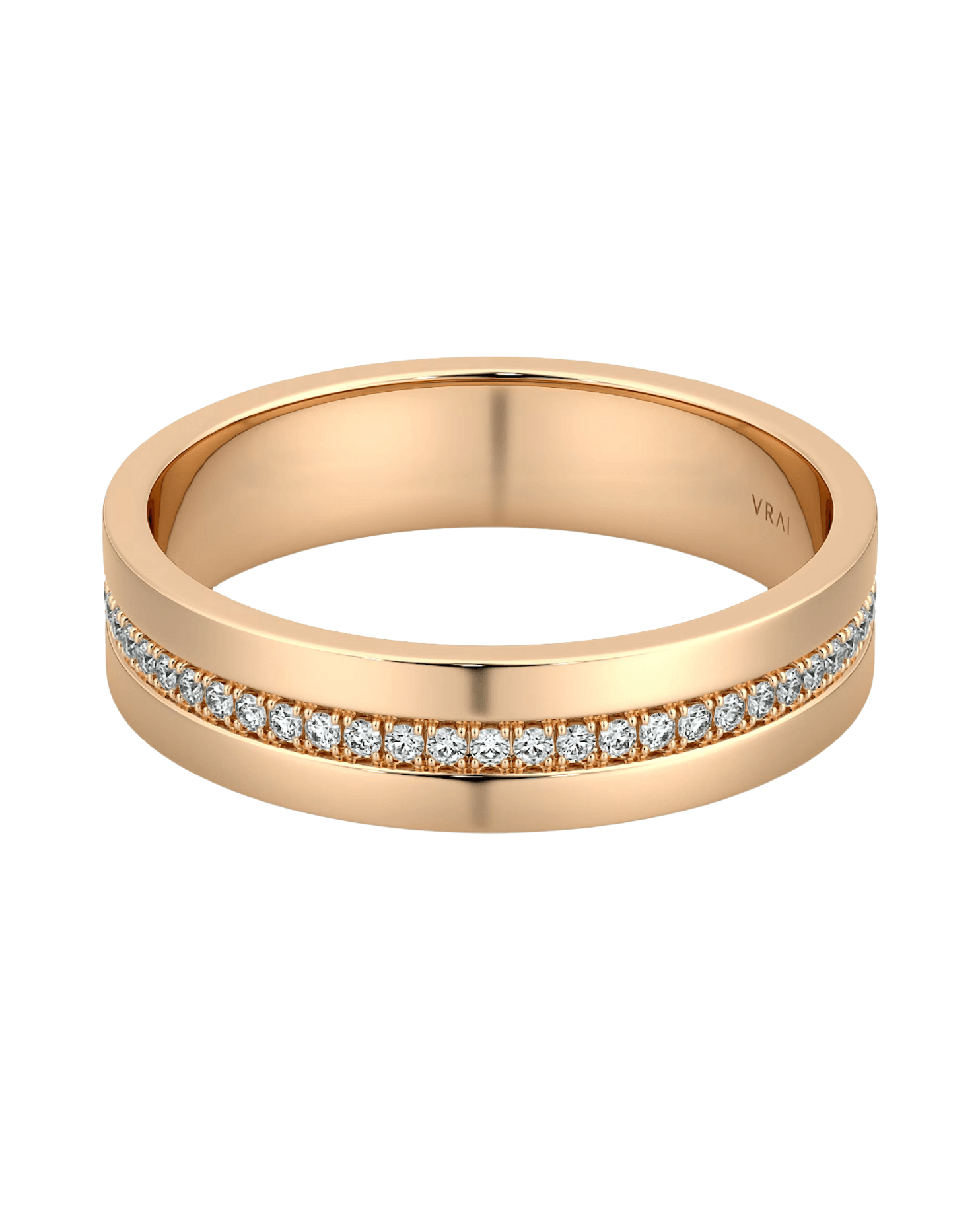
Eternity bands feature diamonds or gemstones around the band. Full eternity rings have stones around the entire circumference, while partial or half-eternity styles cover only part of it. Full eternity designs can be more difficult to resize because there isn’t a plain section of metal to work with.
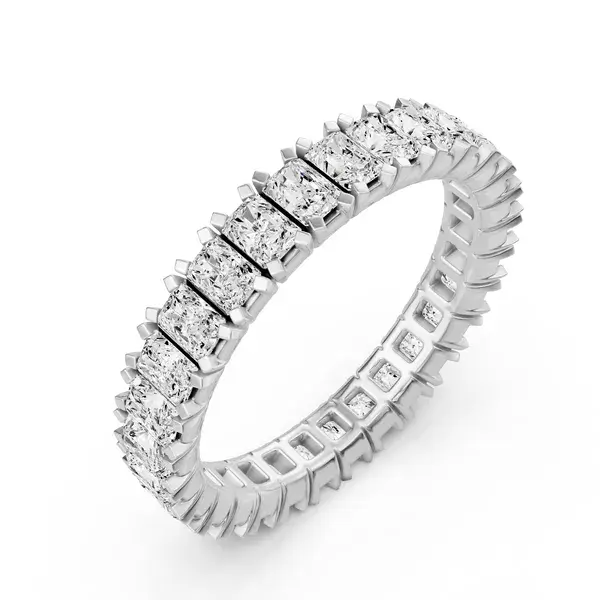
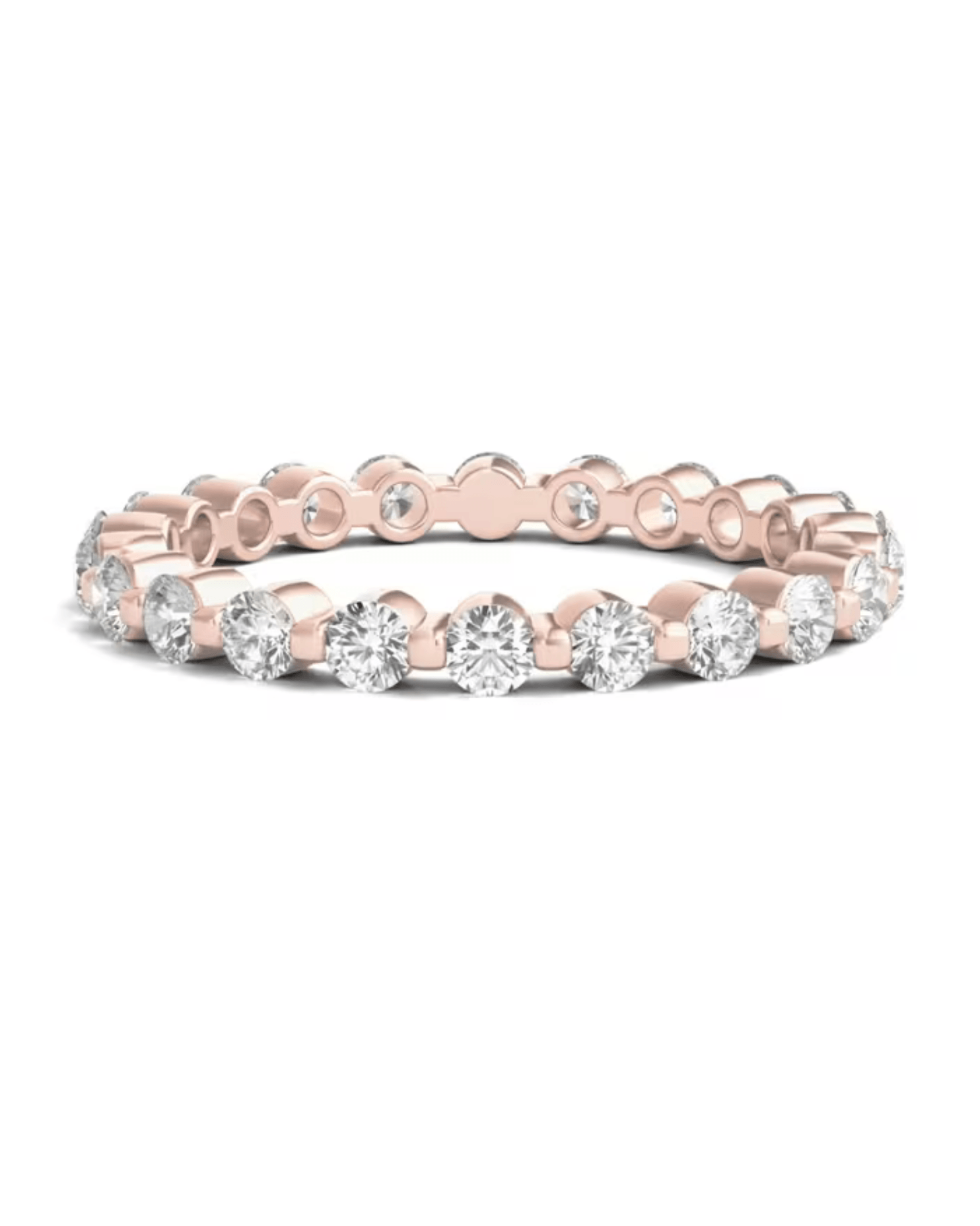
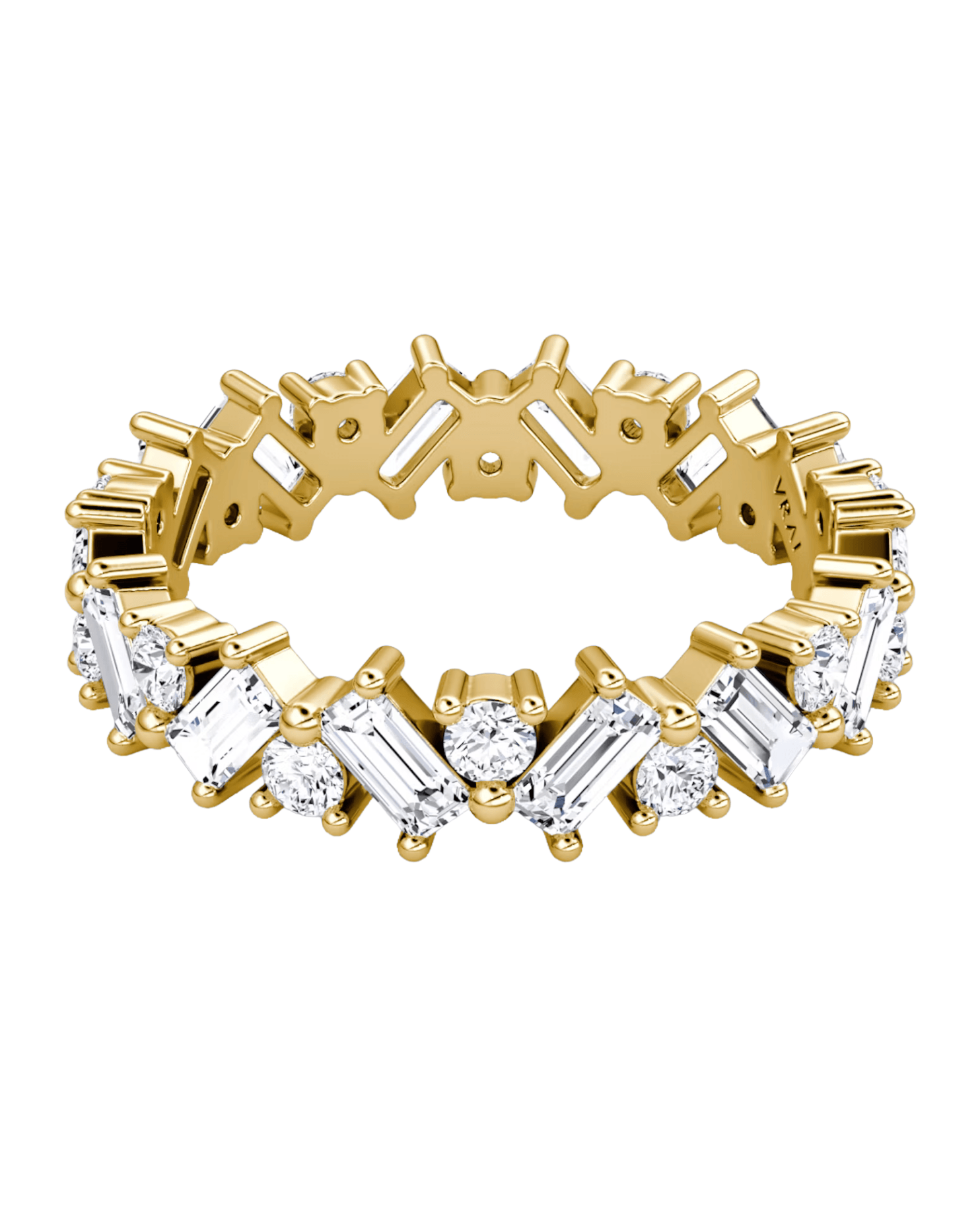
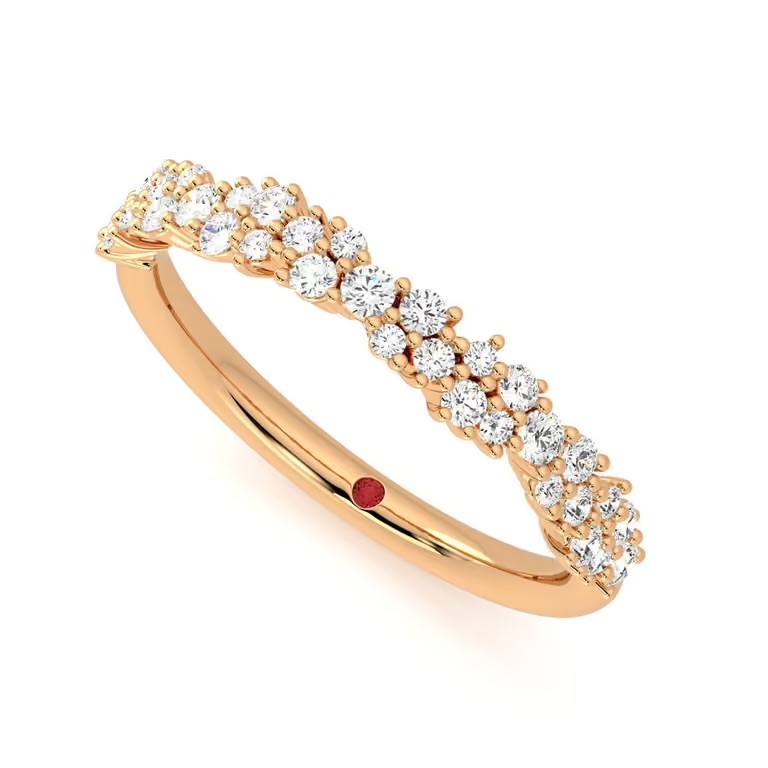
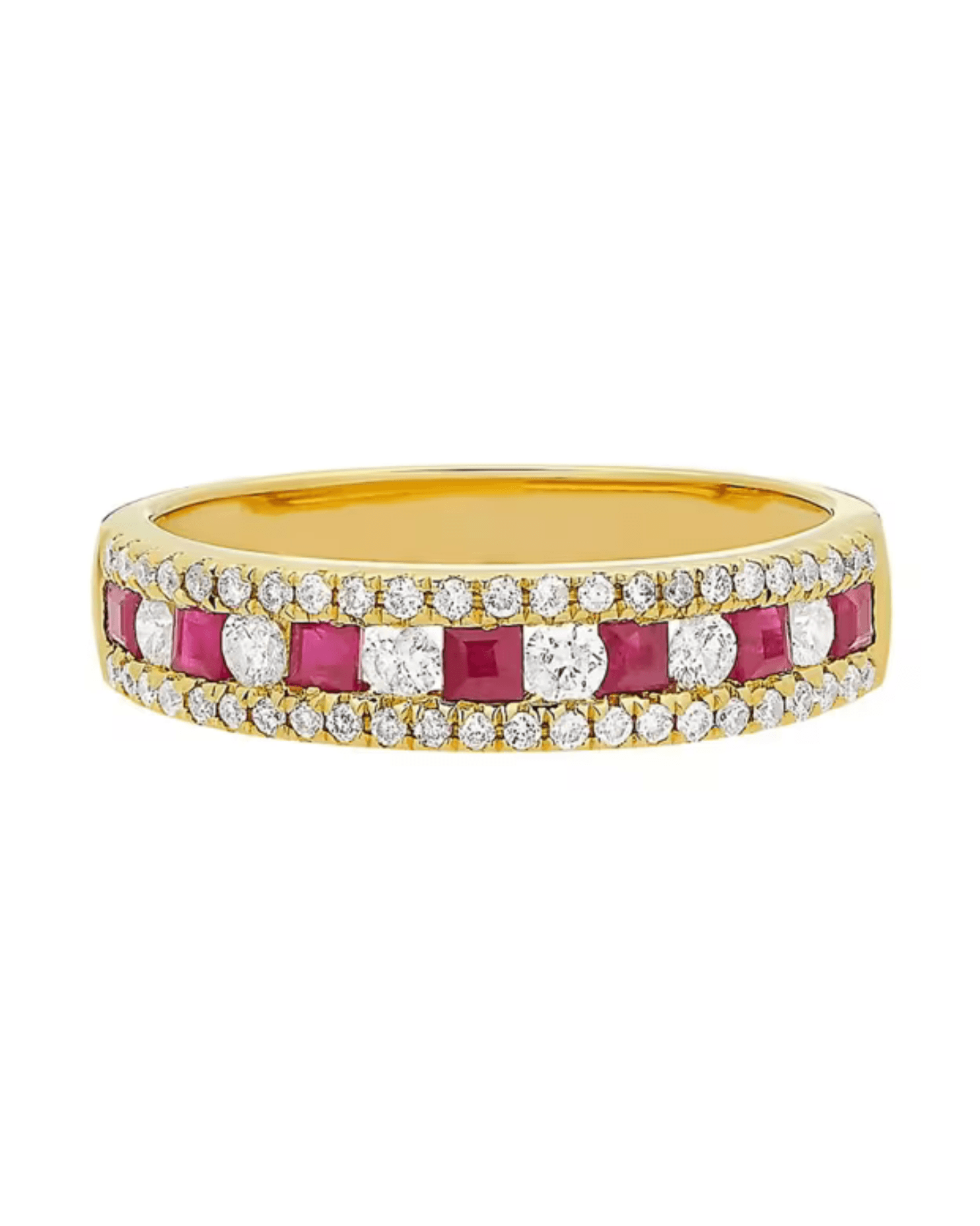
Gemstone bands bring in color with sapphires, rubies, or other stones, either on their own or paired with diamonds. If you plan to wear yours every day, consider the durability and care requirements of the particular stone.
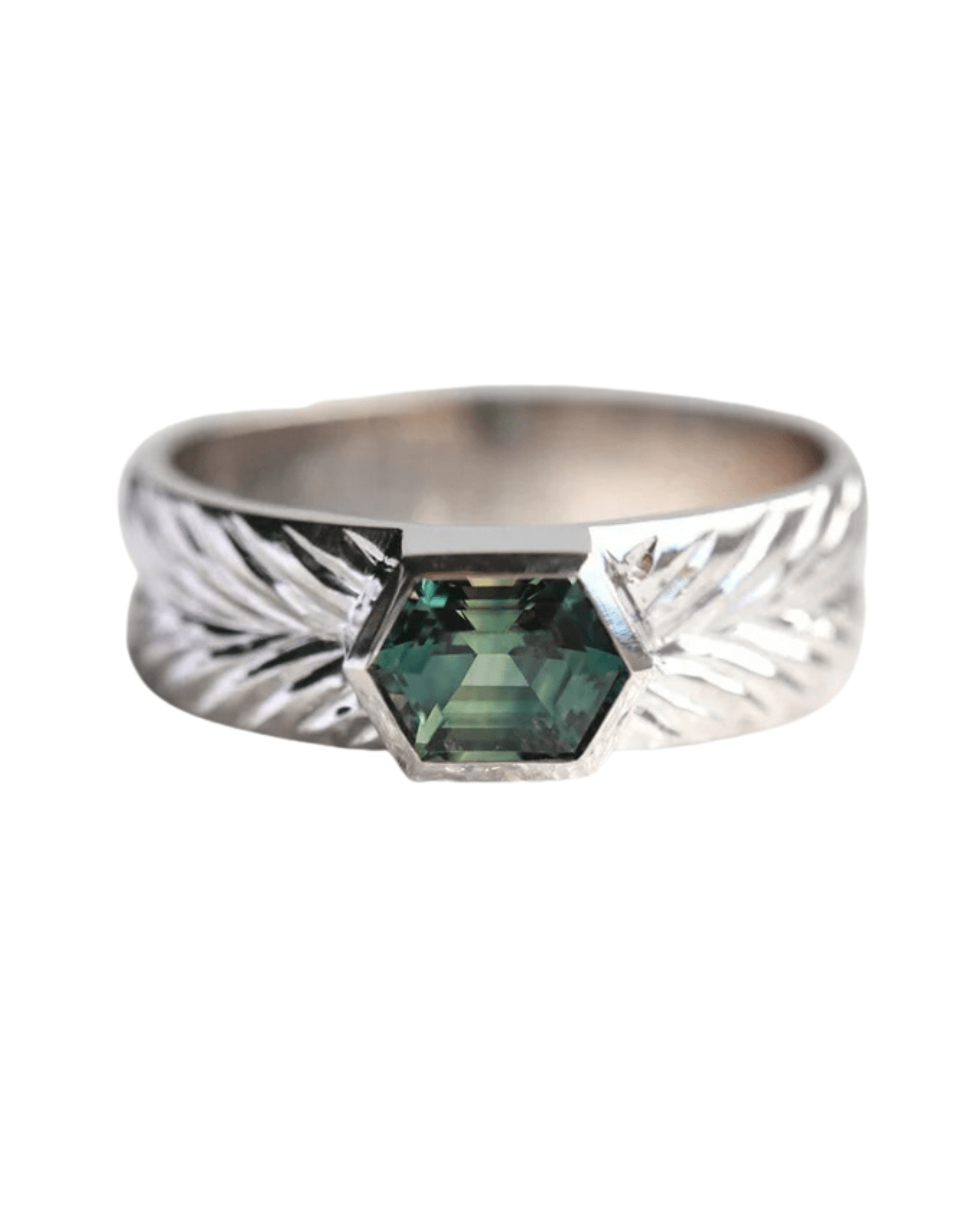
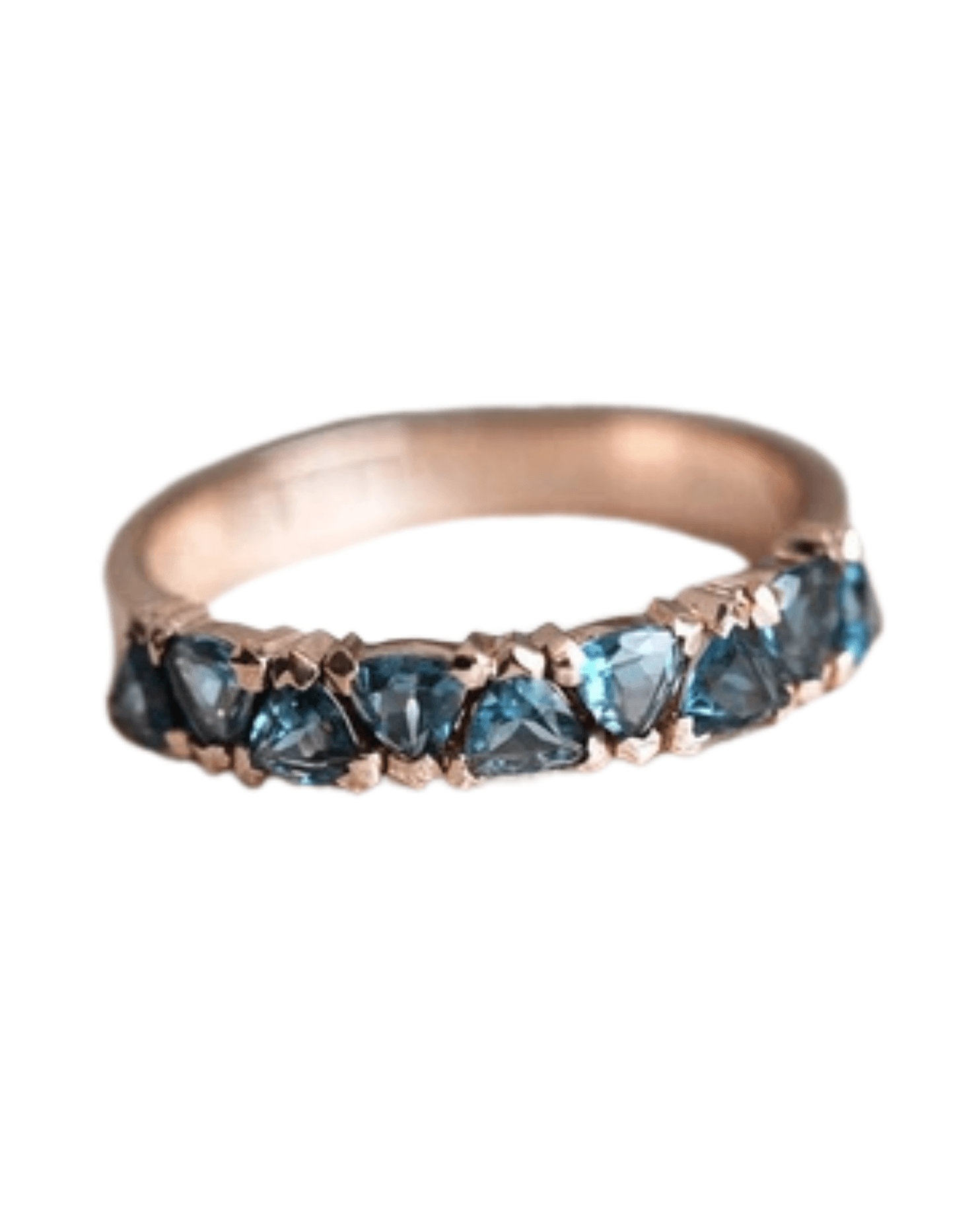
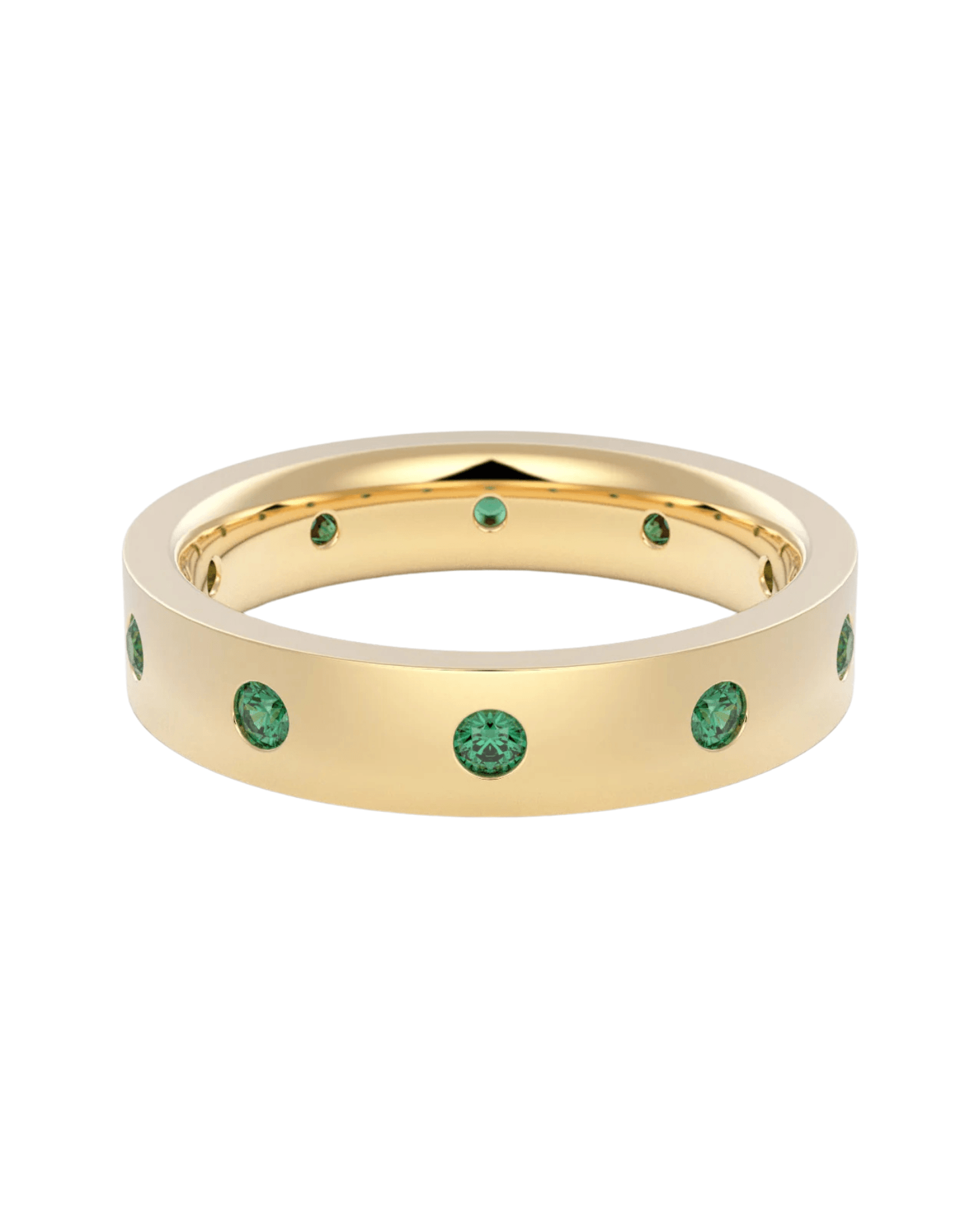
Vintage-inspired bands use details such as milgrain, engraving, or distinctive stone shapes to create an antique-influenced look.
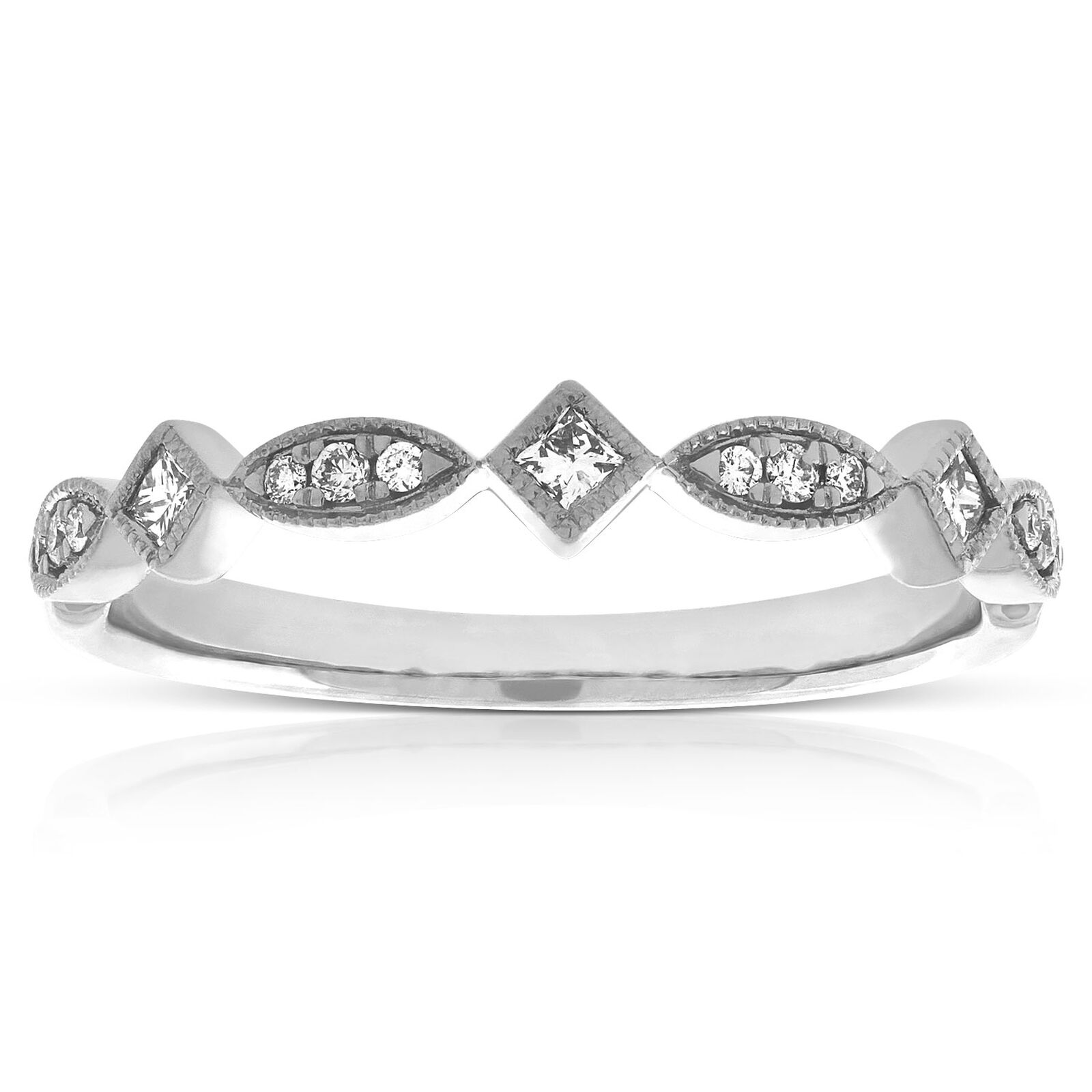
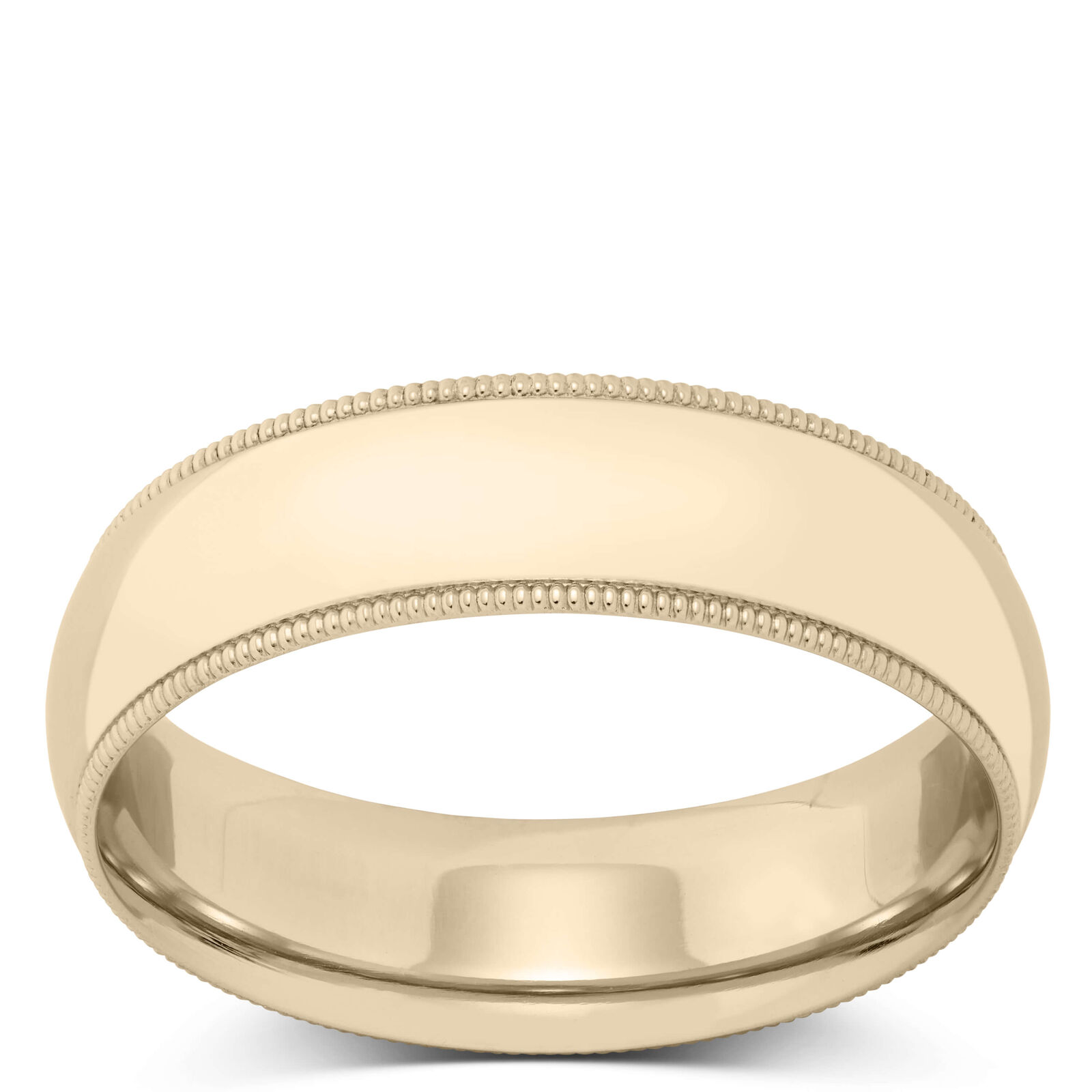
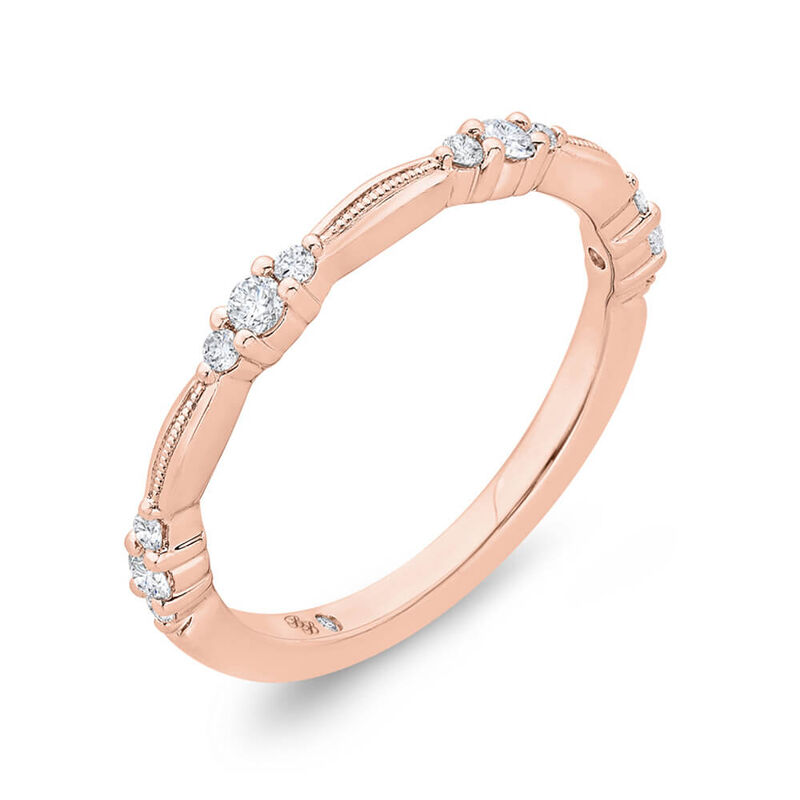
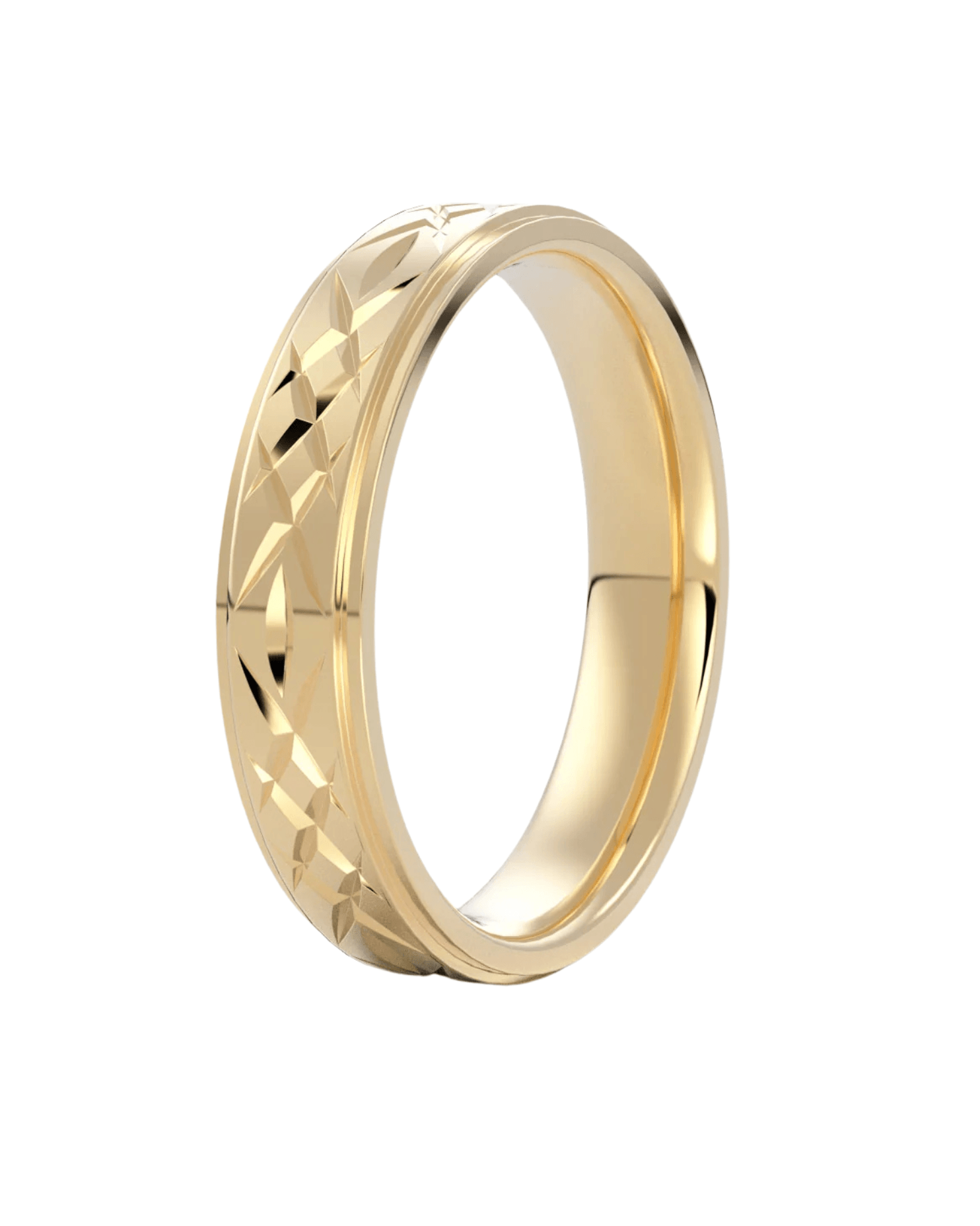
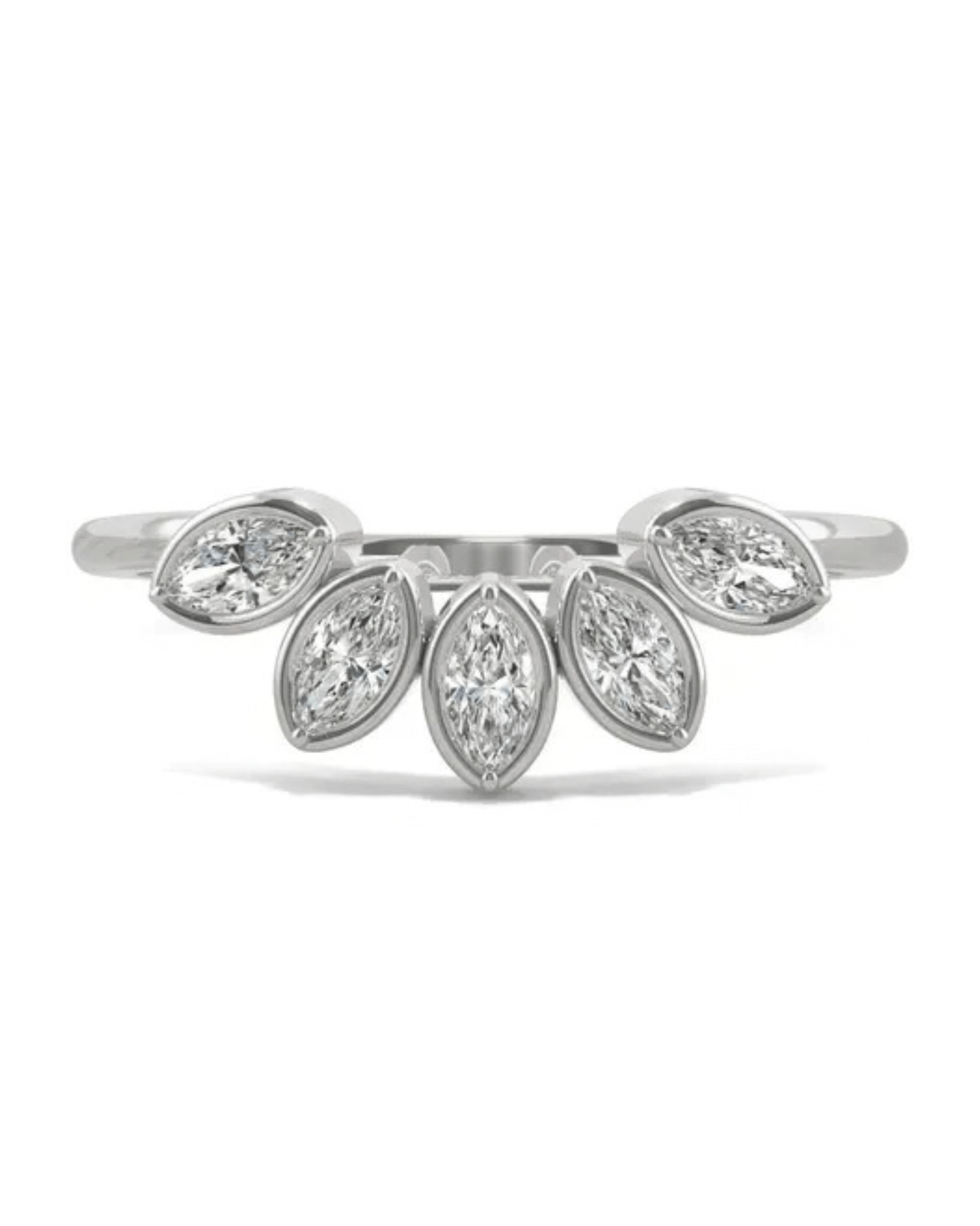
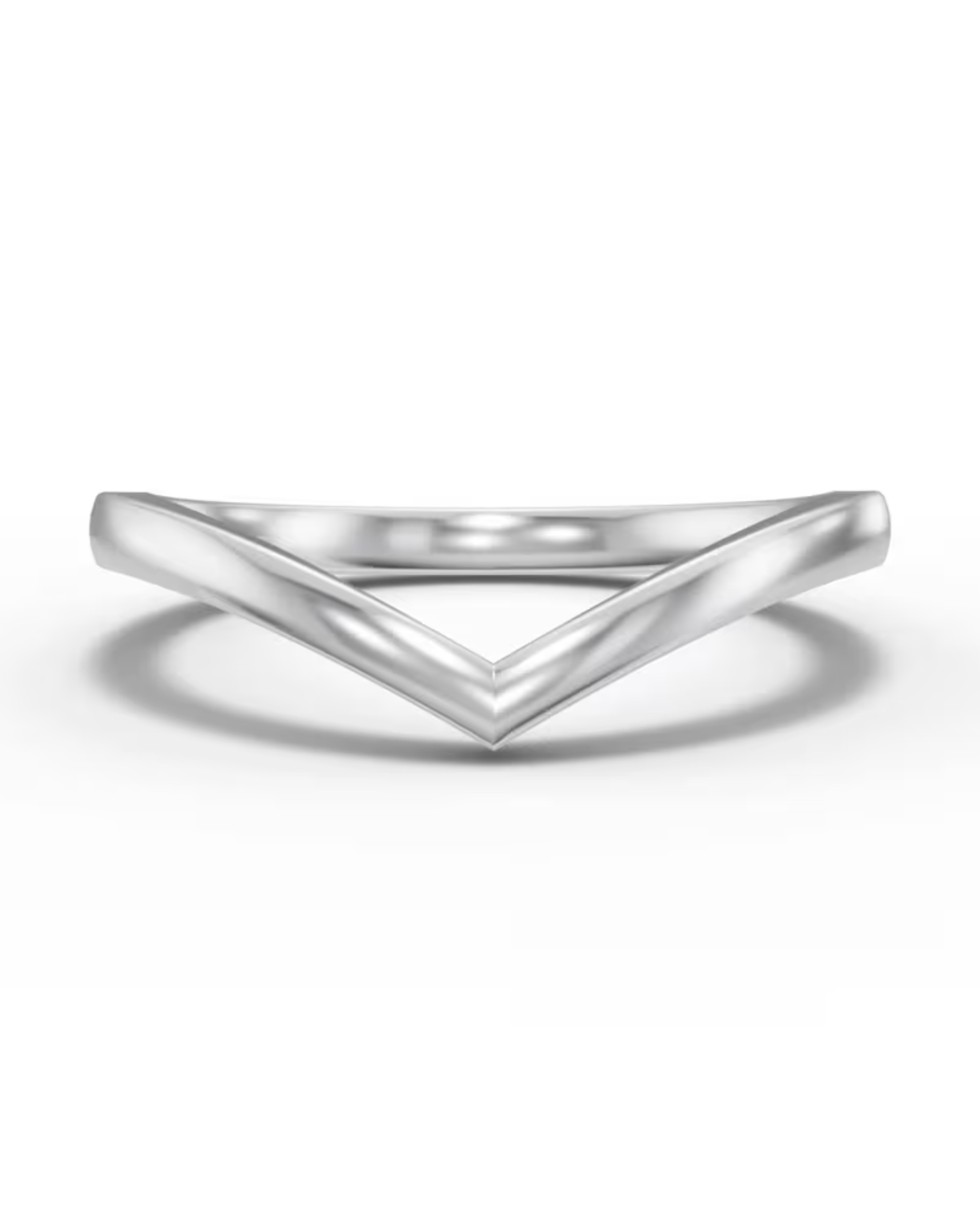
Curved or contoured bands have a shaped profile that accommodates an engagement ring’s center setting. They’re an option if you want the two rings to sit closer together rather than leaving the gap a straight band sometimes creates.
Consider Width, Stones, and Fit
Once you know the general style you want, the smaller details can make a surprisingly big difference in how the ring looks and feels on your hand.
Wedding Ring Width
Wedding band widths are measured in millimeters. As a general visual guide, a 2–3mm band tends to look slim and understated, while 3–4mm offers a little more presence. Bands around 5–6mm have a more substantial look, while 7mm and wider create a noticeably bolder profile.
Those aren’t rules for women’s or men’s wedding rings. Anyone can choose any width. Finger proportions, other jewelry, personal style, and what feels comfortable on your hand matter more than the category a ring is marketed under.
Diamonds and Gemstones
If you want stones in your wedding ring, consider their setting as well as how much sparkle you want.
A low-profile setting may be more practical for everyday wear, particularly if you use your hands a lot. If you’ll be stacking your wedding band with another ring, check whether exposed stones or settings could rub against it.
Also think about future sizing. A band with stones only across part of the ring may offer more resizing flexibility than a full eternity band.
Wedding Ring Fit
A wedding ring should feel secure at the base of your finger while still sliding over your knuckle with gentle resistance. It shouldn’t feel as though it could easily slip off, but it shouldn’t pinch either.
Because finger size can fluctuate with temperature and other factors, having your finger professionally measured is worth doing before ordering. Keep the width of your chosen ring in mind, too—a wide band can feel tighter than a narrow one in the same nominal size.
For wider designs in particular, you may also want to try a comfort-fit band, which has a slightly rounded interior rather than a flatter inner surface.
Pair Your Wedding Ring With Your Engagement Ring
If you plan to wear your engagement and wedding rings together, try them as a pair rather than choosing your wedding band entirely on its own. The two rings don’t have to match. Choosing the same metal and similar design details can create a cohesive look, but mixed metals, contrasting textures, and different styles can work beautifully together too. What matters practically is how they sit.
Some engagement ring settings leave enough space underneath the center stone for a straight wedding band to sit flush beside them. Others naturally create a small gap. If you like the gap, there’s no reason to avoid it. If you prefer the rings to sit closely together, a curved or contoured wedding band can follow the shape of your engagement ring.
Check where the two rings touch as well. Exposed stones, prongs, or other details can rub against the neighboring ring over time. If you already know you want a coordinated look, a bridal set is another option. These typically pair an engagement ring with a wedding band specifically designed to fit alongside it.
Choosing Men’s Wedding Rings
Men’s wedding rings involve the same core considerations: how you’ll wear the ring, budget, metal, style, width, and fit. While plain, wider metal bands have traditionally been associated with men’s wedding rings, they’re only one option. Slimmer profiles, diamonds, mixed metals, engraving, and brushed, hammered, or other textured finishes can all work.
If you prefer a wider band, pay particular attention to fit since the extra width can change how a ring feels on your finger. Trying a few different widths and profiles in person is often the easiest way to find what feels natural.
Your rings as a couple don’t need to match, either. If you want a connection between them without choosing identical designs, you could share one detail, such as the metal, finish, or engraving.
Protect Your Wedding Ring
Once you’ve chosen a ring you intend to wear for years, it’s worth considering how you would repair or replace it if it were lost, stolen, or damaged.
Depending on the ring and your policy, jewelry coverage may be available through homeowners or renters insurance, an additional endorsement for valuable jewelry, or a standalone jewelry insurance policy. Coverage and exclusions vary, so keep your receipt and any appraisal documentation and check exactly what a policy includes before choosing one.
If you’re protecting both rings, our guide to engagement ring insurance goes deeper into how jewelry insurance works and what to consider when deciding on coverage.
Wedding Ring FAQs
What Hand Does a Wedding Ring Go On?
In the United States, a wedding ring is traditionally worn on the fourth finger of the left hand, commonly called the ring finger. Wedding ring traditions vary around the world, though, and the right hand is customary in some countries and cultures.
What Is the Correct Order for Wedding Rings?
When a wedding ring and engagement ring are worn on the same finger, tradition places the wedding band first, with the engagement ring above it. That’s a tradition rather than a requirement, so you can wear your rings in whichever order feels and looks best to you.
Are Wedding Rings and Wedding Bands the Same Thing?
Generally, yes. “Wedding ring” and “wedding band” are commonly used interchangeably for the ring exchanged during a wedding ceremony. “Wedding band” is sometimes used more specifically for band-style designs, while “wedding ring” can encompass a broader range of styles.
Do You Need Both an Engagement Ring and a Wedding Ring?
No. An engagement ring traditionally marks the intention to marry, while wedding rings are exchanged during the wedding ceremony. You can wear both together, wear only a wedding ring, or choose one ring to serve both purposes.
Do Couples’ Wedding Rings Have to Match?
No. You can choose matching wedding rings, completely different designs, or rings that share a single element, such as the metal, finish, or engraving.
Can Wedding Rings Be Resized?
Many gold and platinum wedding rings can be resized, but it depends on the metal and design. Full eternity bands and some alternative-metal rings can be difficult or impossible to resize conventionally, so ask before purchasing if future resizing is important to you.
When Should You Buy Wedding Rings?
Start shopping for wedding rings a few months before your wedding to leave time to compare styles, confirm sizing, place your order, and make any necessary adjustments. Give yourself additional time for custom designs, engraving, unusual sizes, or a band being made specifically to fit an engagement ring, and always confirm the production timeline with your jeweler.
How Often Should You Have Your Wedding Ring Professionally Cleaned?
Having a wedding ring that’s worn every day professionally cleaned and inspected about once a year is a useful starting point, although your jeweler may recommend more frequent visits depending on the ring and how you wear it. A professional inspection is particularly useful for stone-set bands because a jeweler can check for loose stones, worn prongs, and other signs of wear while cleaning the ring.
Between professional visits, many wedding rings can also be cleaned at home. A jewelry cleaning solution, pen, or soft brush can make regular upkeep easier, but always check that the product is suitable for your ring’s specific metal and stones before using it.

There are plenty of traditions surrounding wedding rings, but very few rules about what yours has to look like. Your rings as a couple don’t have to match, your wedding band doesn’t have to perfectly match your engagement ring, and there’s no particular metal, width, or amount you’re supposed to choose.
Use this wedding ring guide as a starting point, then let your lifestyle, budget, personal style, and what feels comfortable on your hand guide the final decision. After all, the goal isn’t just to find a ring that looks good on your wedding day. It’s to find one you’ll be happy to keep wearing long after it.




.jpg "Photographers")