


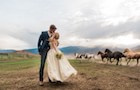

Bridget and Courtney’s love story started at a Lady Gaga-themed drag show at a queer bar in Austin, Texas. Their friend groups happened to overlap that night at Cheer Up Charlie’s, and Bridget asked Courtney on a date the very next day. They’ve been together ever since, building a relationship filled with laughter, great food, and memorable experiences.
The biggest challenge wasn’t deciding on colors or decor. It was finding a way to bring together the people they love most. With friends and family spread across the globe, they wanted more than a single evening celebration. They wanted a full weekend where everyone could slow down, spend time together, and actually get to know one another.
After a long search, they found that at Stonepine Estate in Carmel Valley. With its Tuscan-inspired villas, lush gardens, and sprawling grounds, everyone could stay in one place and enjoy the kind of wedding weekend Bridget and Courtney had imagined from the start.
What We Love About This Stonepine Estate Wedding:
- The couple personally welcoming every guest as they arrived for the weekend
- An Irish ring warming ceremony that included every loved one present
- Florals designed to encourage conversation instead of blocking it
- Signature cocktails named after their beloved pets
- A chef-curated menu inspired by personal memories and favorite foods
- A small guest list that made a 450-acre estate feel surprisingly intimate


Featured Vendor:
Apollo Fotografie


When A Single Day Doesn’t Feel Like Enough
“We wanted a small wedding that wouldn’t just last an evening. Our friends and family are spread across the globe, and this was our opportunity to get everyone in one place and let them truly get to know each other over a whole weekend.”
That idea guided nearly every planning decision. They wanted a venue where guests could stay together, spend time together, and create memories beyond the wedding day itself.
That’s what drew them to Stonepine Estate. The property could accommodate all of their guests while providing the kind of atmosphere they had imagined from the beginning. Pairing a small guest count with such a grand setting created something that felt surprisingly personal.
The celebration began the moment guests arrived. Bridget and Courtney greeted everyone with music, hugs, and help getting settled into their accommodations. Once guests had explored the grounds, everyone gathered for a welcome dinner at the Paddock House.
Their caterer, Carlo Espinas of Linger Longer, served Mexico City-style street tacos and light bites, while Craft Collective mixed pineapple margaritas that quickly set the tone for the weekend ahead.


Trusting The Venue To Speak For Itself
One of the reasons the couple chose Stonepine Estate was because it already felt beautiful without requiring extensive decor. “We wanted the wedding to feel timeless and like we didn’t need to add much to its natural beauty.” Inspired by the property’s Tuscan character, they embraced a design approach that highlighted the surroundings rather than competing with them.
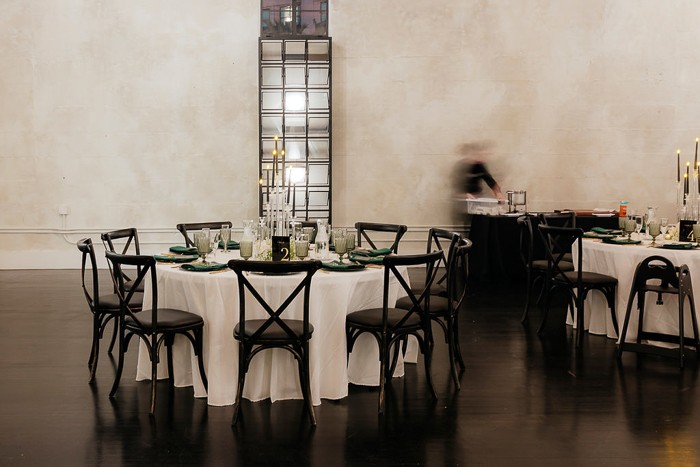
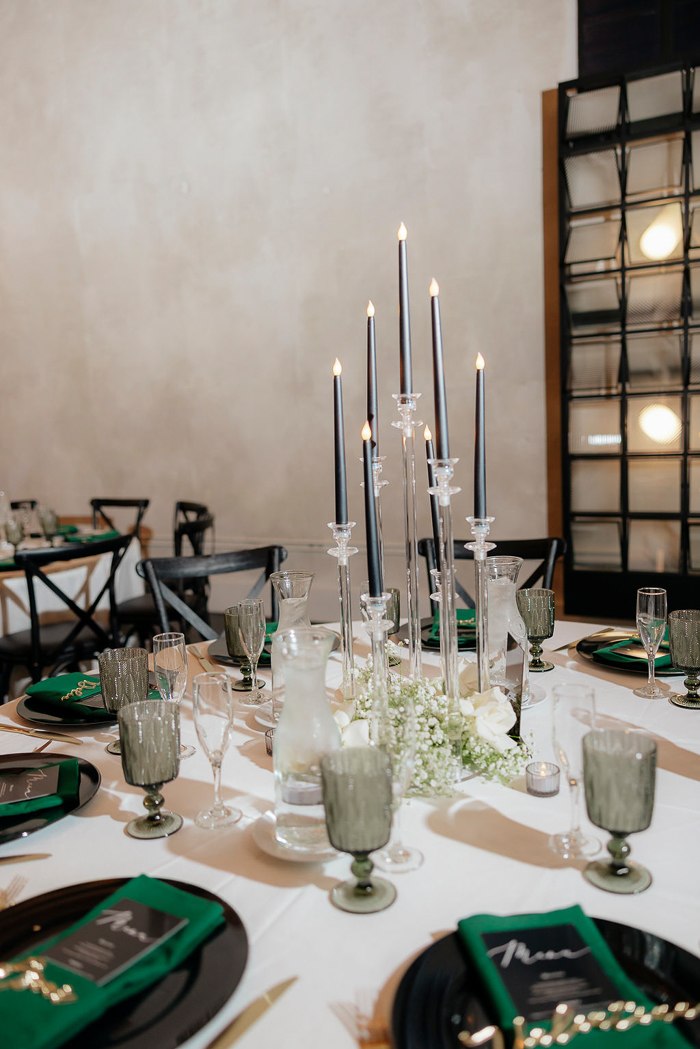
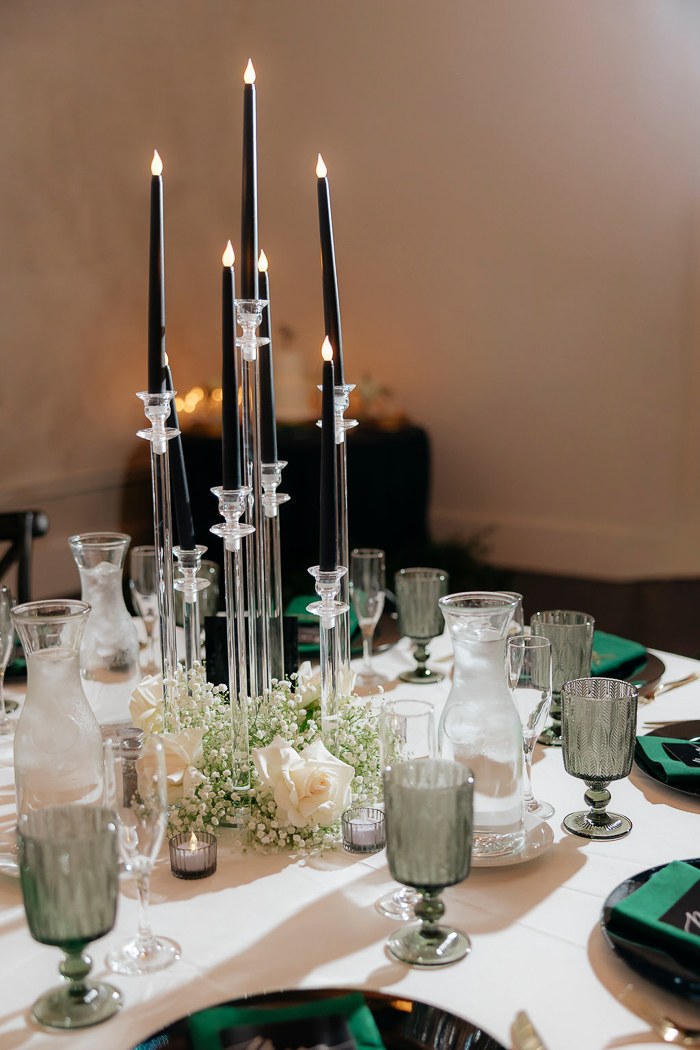
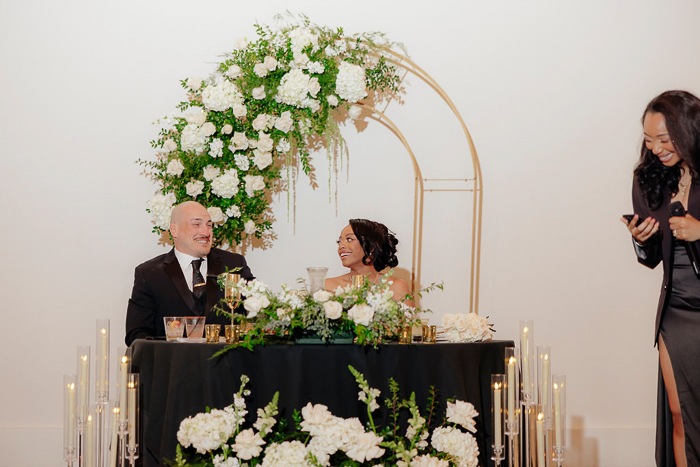
Expressions Floral Designs created reception arrangements featuring locally grown calla lilies, spring green hydrangeas, and draping tulips. The couple wanted the reception to feel like the best dinner party imaginable, which meant avoiding towering centerpieces that would get in the way of conversation.
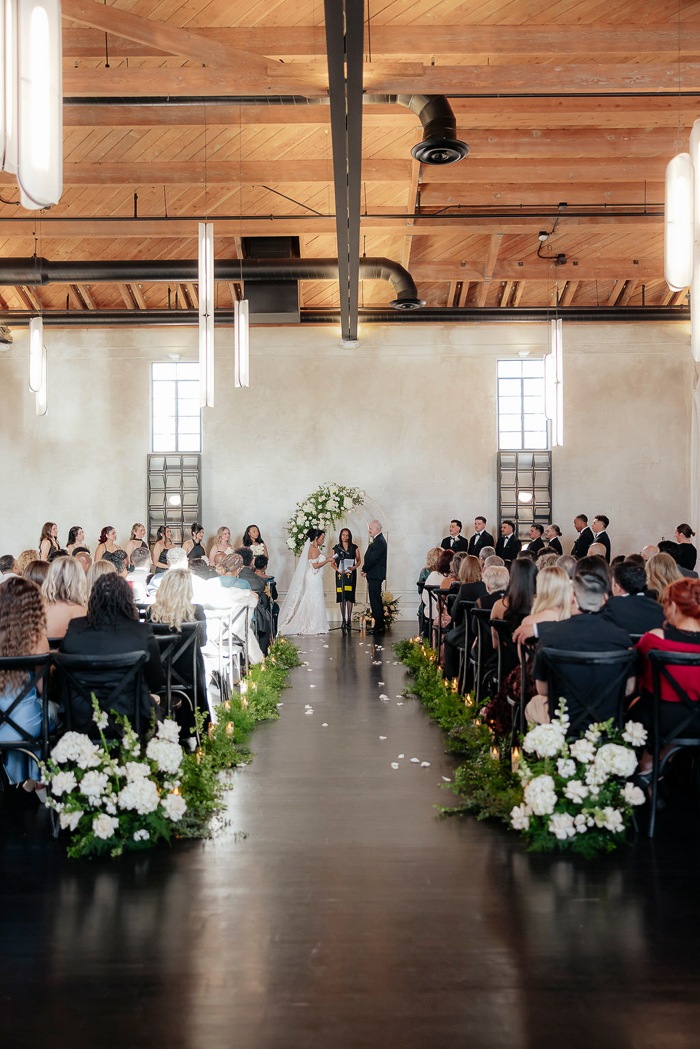
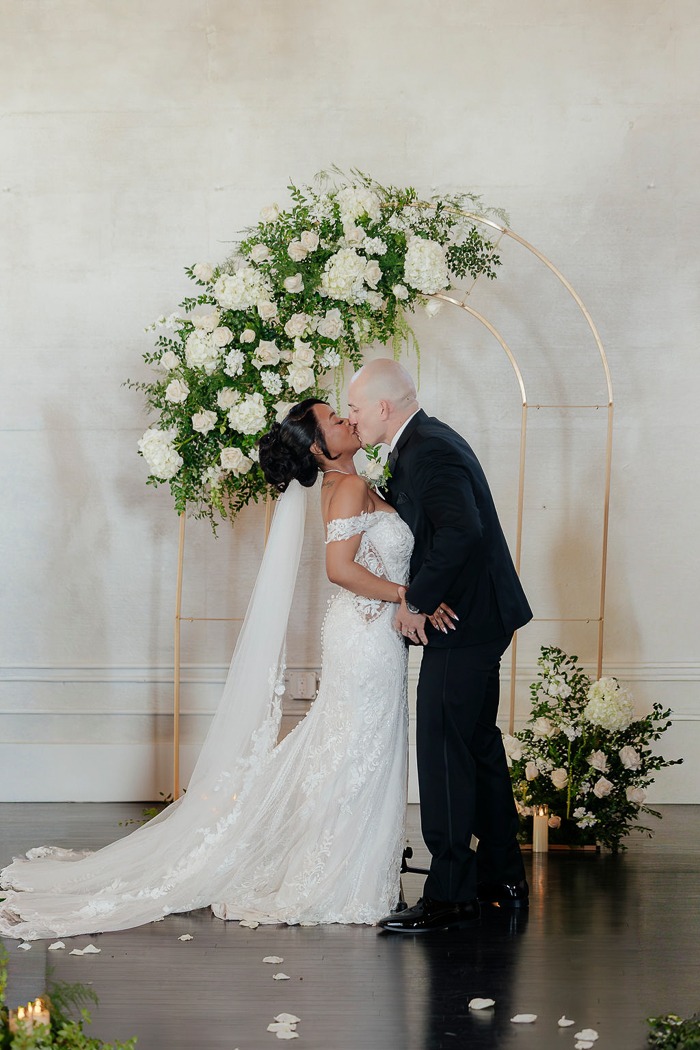
For the ceremony, they kept things equally restrained. The Reflection Pond provided a naturally peaceful backdrop, so they opted for just two floral ground arrangements framing the ceremony space. The design never competed with the setting. Instead, it highlighted what was already there.


Bringing Their Personal Style Into The Celebration
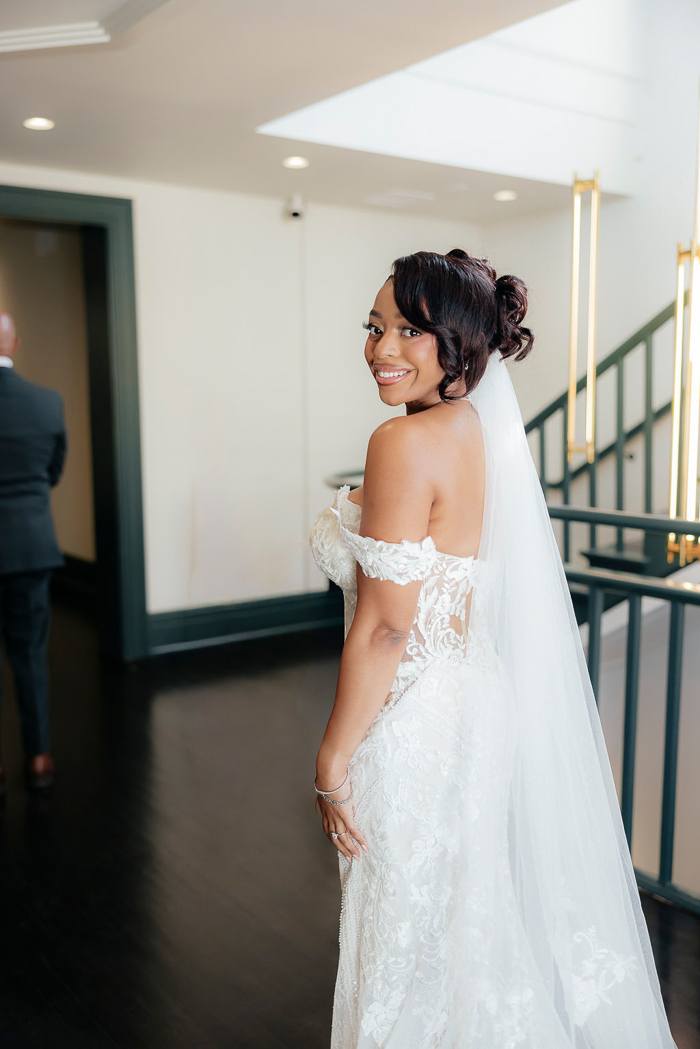
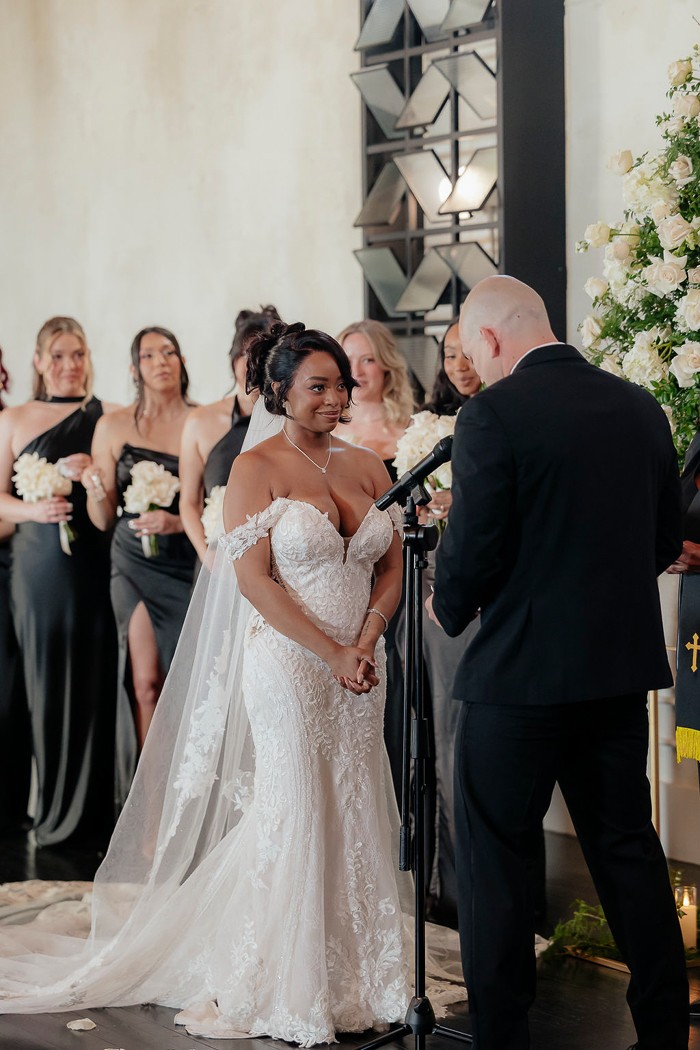
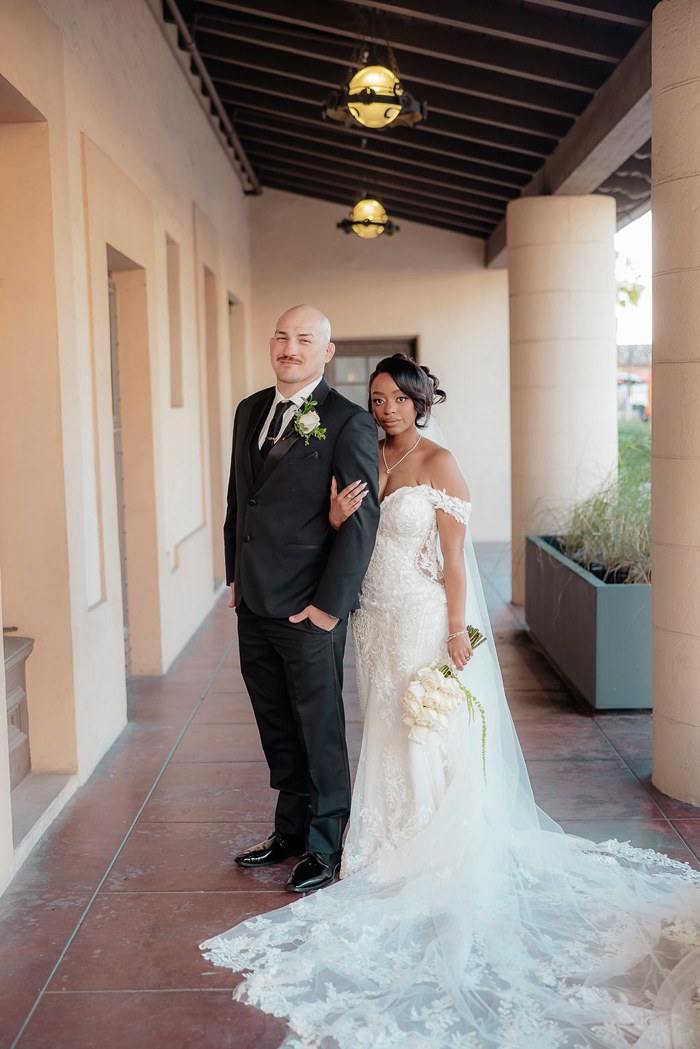
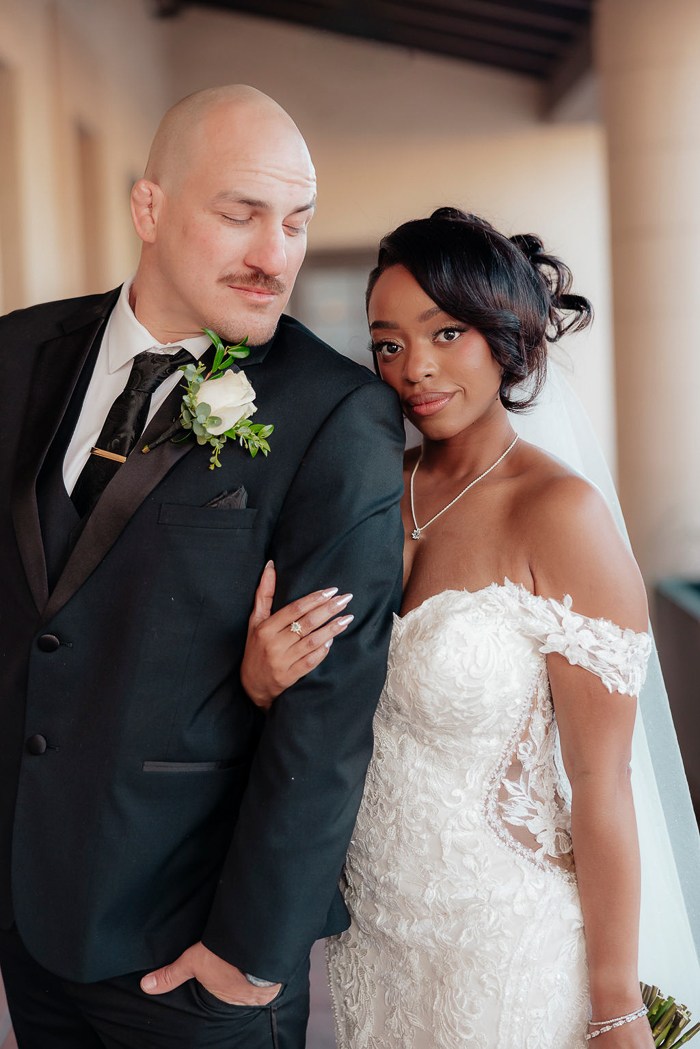
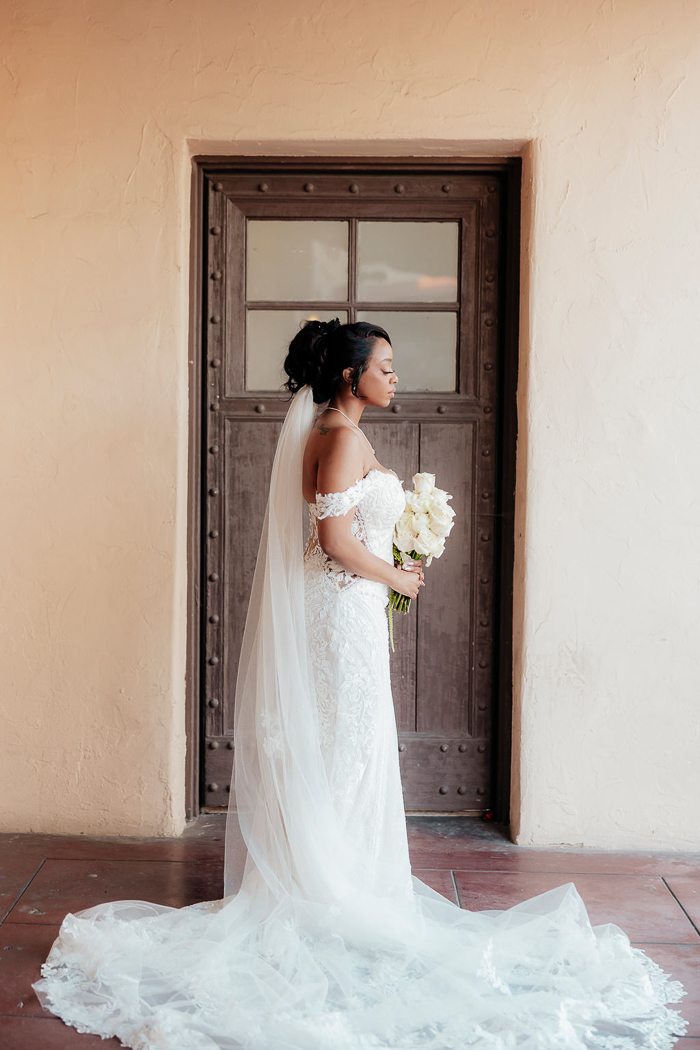
Fashion offered another opportunity for Bridget and Courtney to bring their personalities into the wedding weekend. Courtney found her dream gown in her hometown of Toronto. She chose Jenny Yoo’s Charlotte gown, pairing the drop-waist silhouette with lace gloves and a cathedral-length veil.
“On my hunt for wedding dresses, I gravitated towards the drop waist look, wanting to achieve an elongated appearance while maintaining the whimsy that comes with wearing a ball gown. As soon as I tried on the Charlotte, I knew I had to say yes to the dress!”
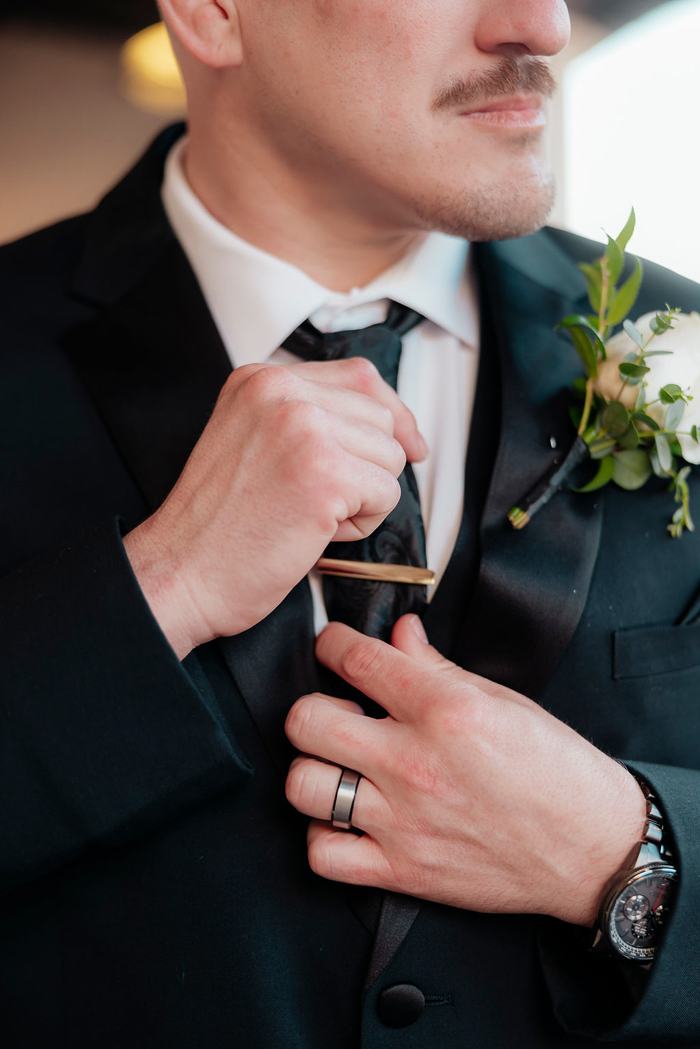
Bridget worked with designer James Ford to create a custom suit and shirt tailored specifically to her vision. “My custom suit and shirt were designed by James Ford, accessorized with a continental tie from Bode and Prada loafers.”


Building A Team That Understood The Assignment
While Courtney spent plenty of time on Pinterest narrowing down color palettes, styling ideas, and design inspiration, the couple quickly realized they needed partners who could help bring everything together. After securing the venue, planner Andrina Lopes of Confetti & Cocktails became their next major decision.
“Our concept was a little untraditional, and Andrina was an incredible partner and advisor. From the beginning of the planning process through to the whole weekend, Andrina made everything feel easy, fun, and if anything went wrong, she handled it and we weren’t aware.”
The couple found both Andrina and photographer and Junebug vendor Liv Rhodes of Apollo Fotografie through Reddit. Their caterer was already a close friend. Most of the remaining vendors came through Andrina’s recommendations.
“We were looking for people we really got along with and really understood our vision of the weekend we wanted to host.” That approach helped create a vendor team that felt more like collaborators than service providers.


Deciding What Was Worth The Investment
Like many couples, Bridget and Courtney had to make choices about where to focus their budget. For them, the answer was simple: a venue that could accommodate guests for the entire weekend, photography and videography, and exceptional food.
Food, in particular, carried a lot of meaning. Their menu was created by Carlo Espinas, who Bridget had known for more than a decade after working together at a restaurant in Santa Cruz. Carlo designed a dining experience inspired by the couple’s favorite treats, personal stories, and seasonal ingredients from California’s Central Coast.
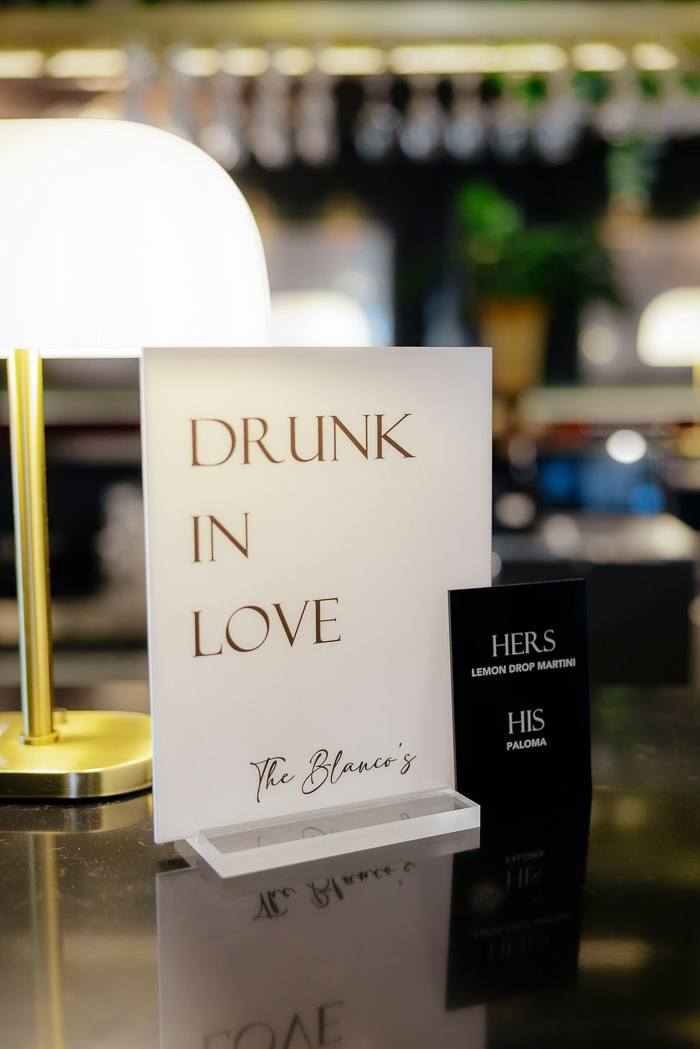
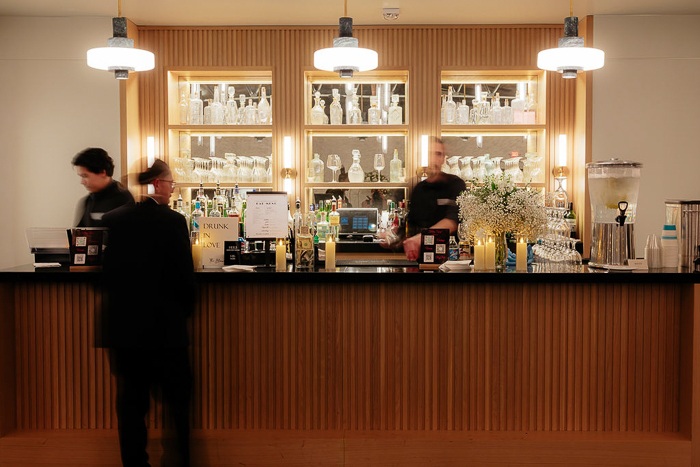
The personal touches continued at the bar. The Mr. Avocado, a cucumber gin gimlet, was named after their cat. The Lola, a pineapple margarita with a tajín rim, honored their late dog.
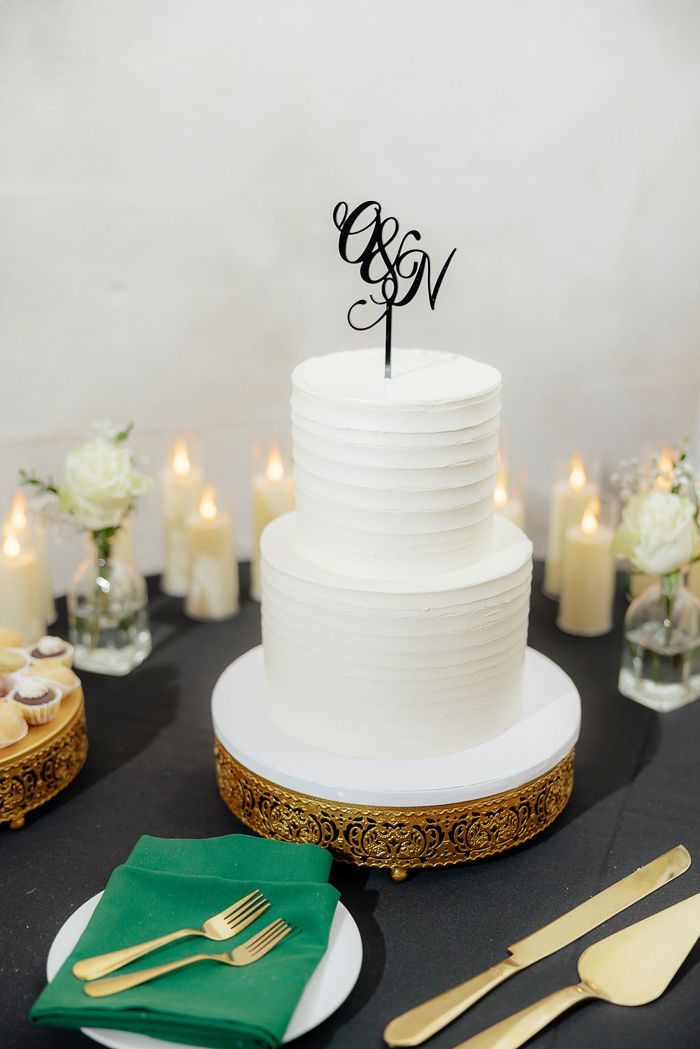
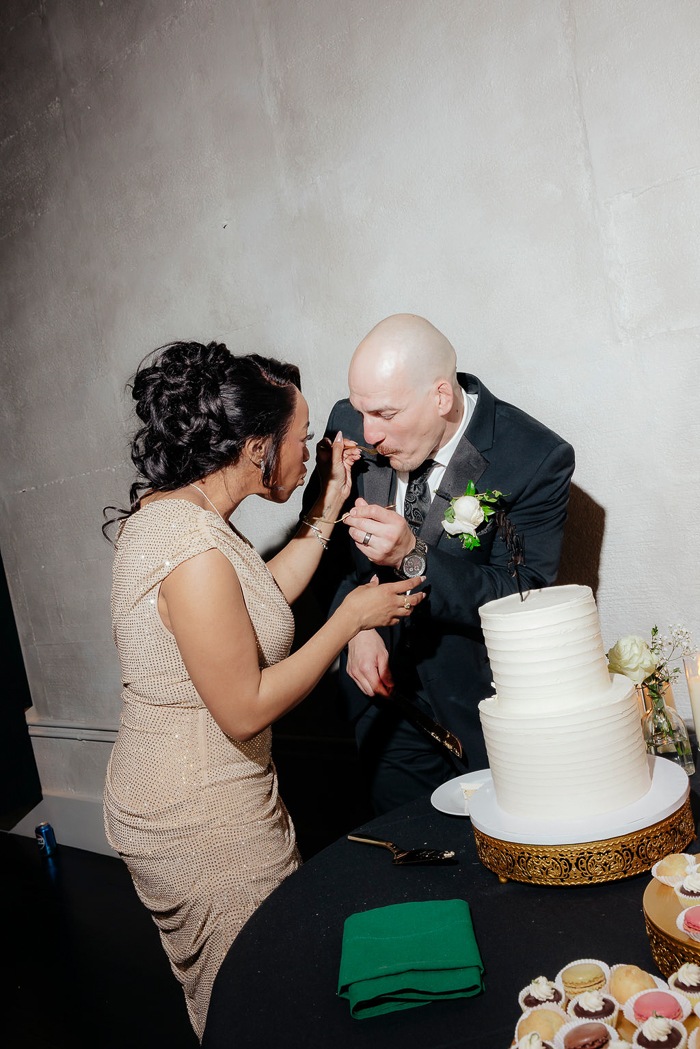
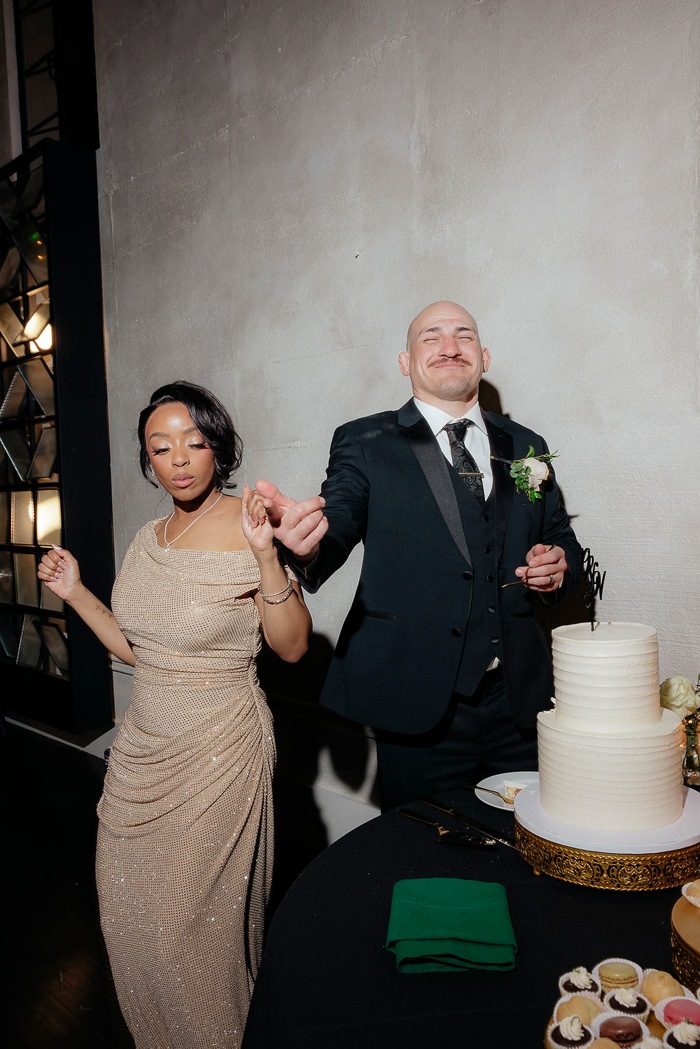
For dessert, they skipped tradition in favor of flavor, choosing a seasonal Devil’s Food cake with coffee diplomat and brown sugar buttercream from Good Luck Bakery, a queer and immigrant-owned Bay Area business.


Finding A Way To Include Everyone In The Ceremony
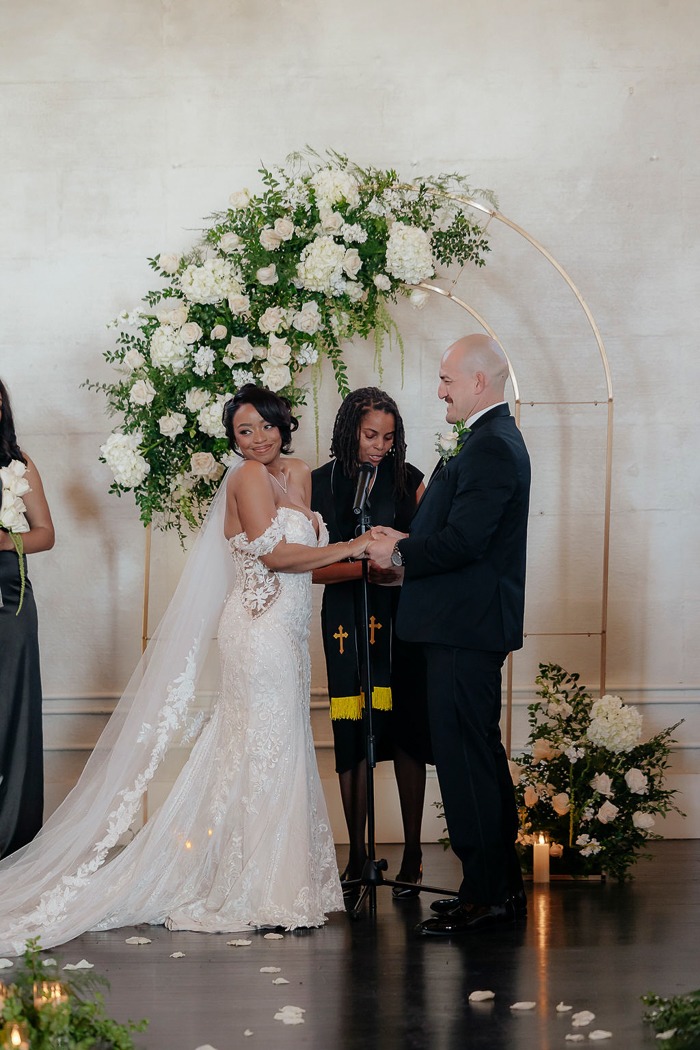
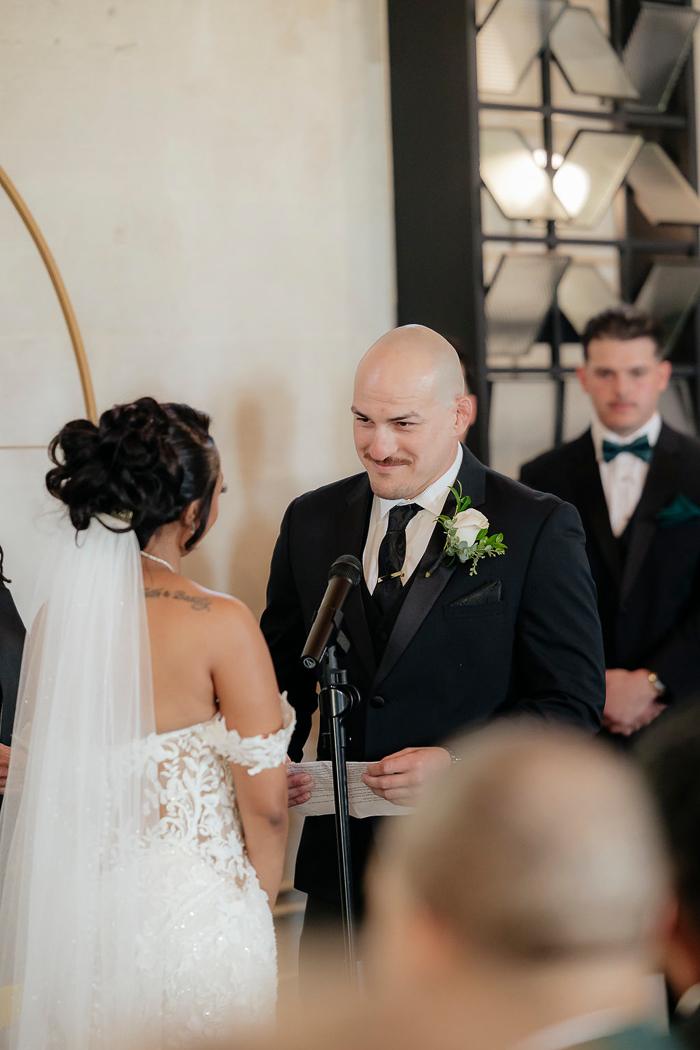
Courtney’s mom introduced an Irish tradition that ended up becoming one of the most memorable parts of the ceremony. To honor Bridget’s heritage, the couple incorporated a ring warming ceremony led by their close friend and officiant.
Because of their intimate guest count, every guest had the opportunity to hold the rings before they were exchanged, offering blessings, well wishes, and quiet moments of reflection. “We thought the idea was a wonderful way to slow down, stay present, and bring our wedding guests into the moment with us.” The tradition echoed the reason they planned a weekend wedding in the first place. They wanted guests to feel like active participants in the celebration, not simply observers.
Early in the planning process, Bridget and Courtney decided they weren’t interested in creating a wedding that lasted only a few hours. They wanted a weekend where the people they love could spend real time together. Between shared meals, late-night conversations, and several days under one roof, that’s exactly what unfolded at Stonepine Estate.


The Wedding Team:
Photography + Videography – Apollo Fotografie
Event Planning – Andrina Lopes
Venue – Stonepine Estate
Floral Design – Expressions Floral
Catering – Carlo Espinas
Cake – Good Luck Bakery
DJ – DNA Entertainment
Wedding Dress – James Ford
Rings – Identity Diamonds



.jpg "Photographers")